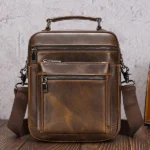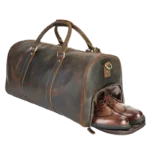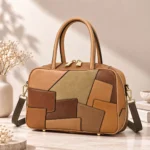
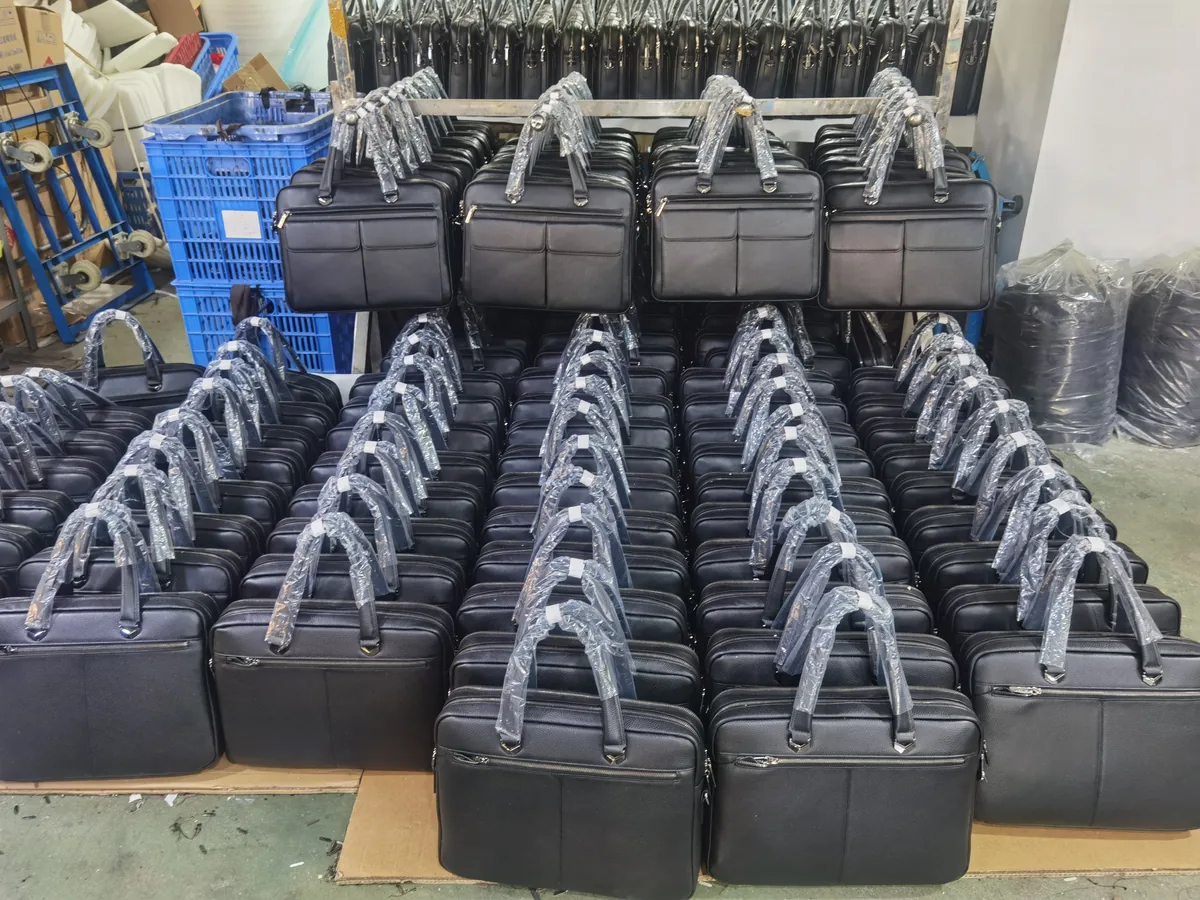
Marrant supplies private label leather bags for brands that need their own logo, branded hangtags and packaging. Based in Guangzhou, our team supports both OEM and ODM projects, so your branding can accompany a buyer-designed bag or a factory-developed style. For European buyers, the practical starting point is a written branding brief and a physical sample. Agree how the bag, internal label and packaging should look together before authorising bulk production.
What private label leather bags actually mean
Private label describes whose brand appears on the product. It does not, by itself, explain who designed the bag or whether the style is exclusive. Those are separate commercial decisions. A supplier-developed design can carry your label; a bag developed from your drawings can carry it too.
Ask three questions before discussing a logo: who supplies the design, which details can change, and what rights are agreed for the finished version? Putting your name on a sample does not automatically settle design ownership or exclusivity. Record those terms separately. Marrant’s company and manufacturing background provides the context for discussing your project with our team.
Write a branding brief the sample room can use
An attractive logo file is only one part of the brief. The sample maker also needs its intended width, location and relationship to seams, pockets and label edges. A large artwork preview can hide a proportion problem that becomes obvious inside a small bag.
Use one approved artwork version. Then separate the product requirements from the presentation requirements:
| Item | Specify before sampling | Review on the physical sample |
|---|---|---|
| Internal leather label | Artwork version, label size and logo width | Proportions, placement and readable details |
| Hangtag | Front/back artwork, wording and attachment location | Print appearance and how the tag sits on the bag |
| Packaging | Components, dimensions and branding locations | Fit, presentation and contact with the product |
| Bag identity | Base style, colour reference and requested changes | Whether the finished bag matches the intended collection |
Keep the brief useful, not enormous. A marked-up photograph can explain placement better than a page of vague instructions. If you start with a mature style, review Marrant’s crazy horse leather design options and identify the exact reference before annotating changes.
Separate artwork approval from physical branding approval
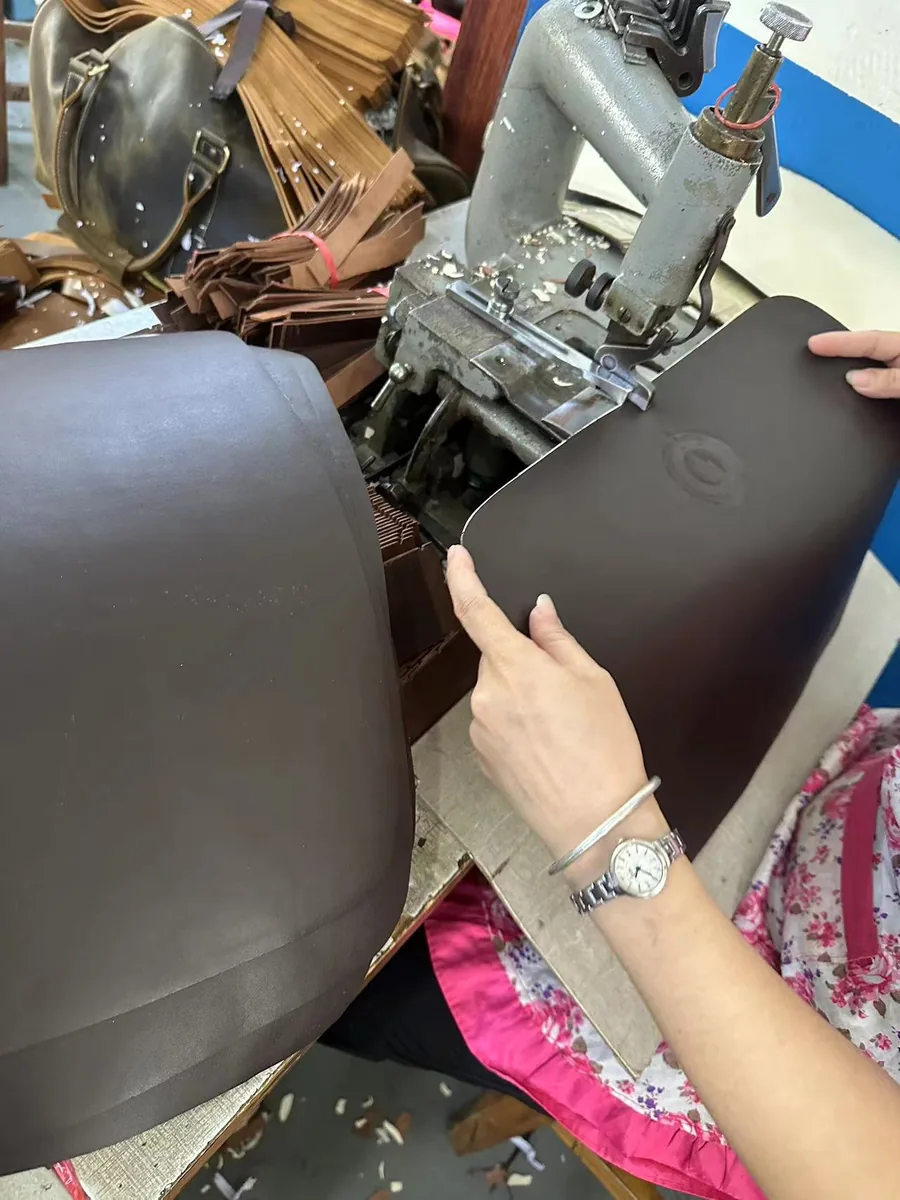
Treat artwork approval and the finished impression as separate decisions. Approving a digital file confirms the design; approving a stamped label confirms how that design appears on the selected material. Keep the file name, label dimensions and accepted impression together in the approval record so the factory can identify the exact combination.
If branding is being revised, state what changed and what remains approved. A placement correction does not necessarily require new artwork, while revised lettering should be checked against the accepted dimensions again. Ask for an updated physical reference when a change affects the visible result. Do not let an old approval image represent a newly revised label.
Here is a detail supplier brochures often skip: the artwork, stamping tool and finished impression are three different things. Which one have you actually approved? Record the accepted impression size and keep the physical reference available to both teams.
Approve the bag, label and packaging as a set
Private label leather bags reach customers as a complete branded product. An approved bag with an outdated hangtag is still an inconsistent delivery. Treat packaging artwork as part of the order specification, rather than an informal attachment sent near shipment.
Before signing off, place all proposed components beside the sample. Check that the spelling, logo version and presentation agree. If packaging is being developed separately, mark its approval status clearly; do not let approval of the bag be mistaken for approval of every printed item.
| Approval record | What to keep | What it prevents |
|---|---|---|
| Product reference | Approved sample identification and photographs | Confusion between earlier and final versions |
| Branding reference | Accepted impression, artwork file and placement measurements | Reuse of an obsolete logo size or position |
| Packaging list | Each included component and its approved artwork | Missing items or unapproved substitutions |
| Revision note | Change, date and person confirming it | Conflicting instructions during production |
This is a recommended buyer approval record, not a certification system. Its value is practical: someone joining the project later can see what was accepted without searching through an entire message history.
Compare quotations with the same branding scope
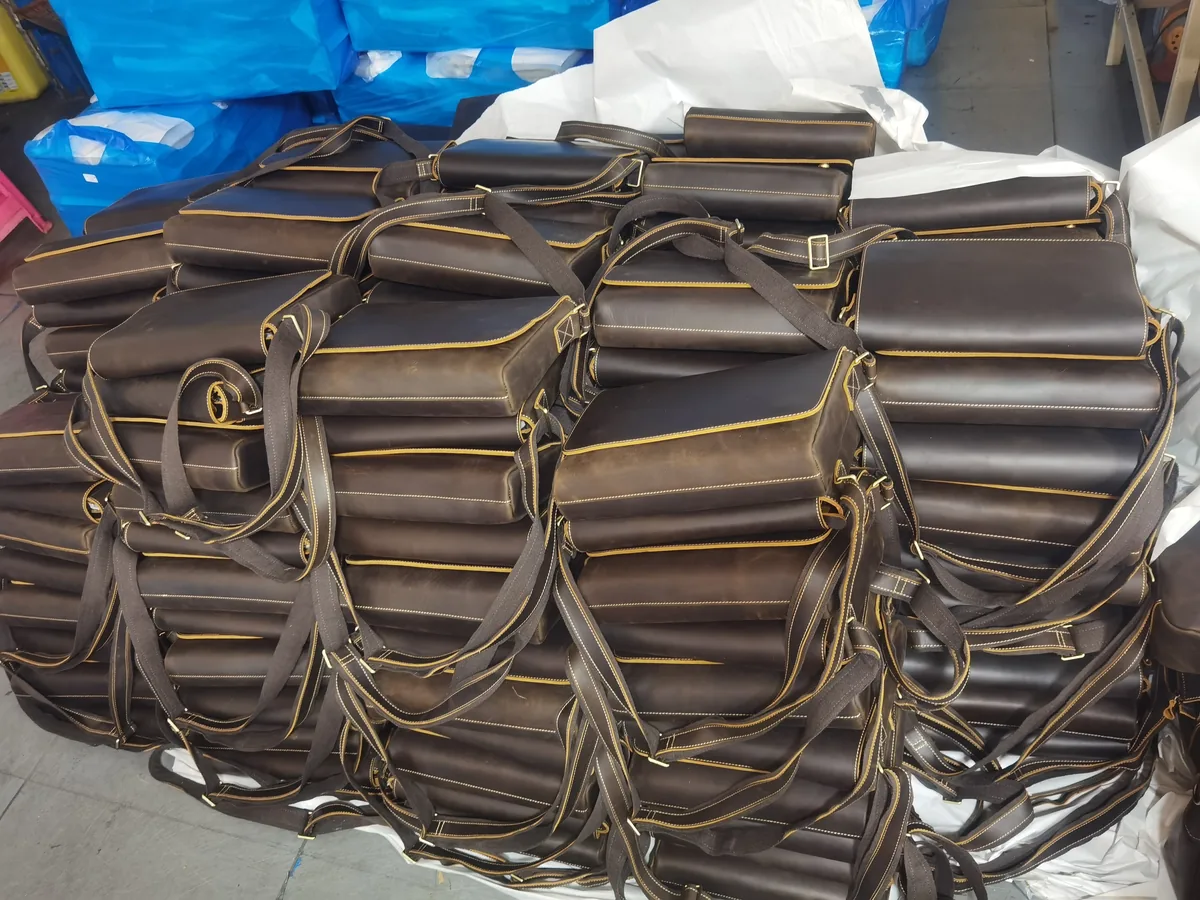
When comparing suppliers, send the same specification to each. Otherwise, a quotation including branded packaging and new tooling may appear expensive beside one covering only a plain bag. Ask which branding items are included and which are separate charges.
Confirm the order quantity, colour breakdown, sample revisions and production requirements for your chosen style. Do not assume a general wholesale minimum also applies to a custom private-label order. Marrant’s OEM customisation workflow guide explains the broader development stages; the actual quotation should define the scope of your project.
For repeat orders, use the previous approved version as the starting reference. List any changes explicitly. A new season’s hangtag should not silently change the internal logo specification, and retaining the same bag style should not imply that all packaging files remain current.
Your private-label enquiry checklist
- Identify the bag style and target customer.
- Supply logo artwork with a version name and intended dimensions.
- Mark the branding location on a photograph or drawing.
- List required hangtags and packaging components separately.
- State estimated quantities and colour allocations for quotation.
- Flag ownership, exclusivity or tooling-retention terms for written agreement.
- Request approval references for both the product and its presentation.
Contact Marrant’s factory team with these details to discuss feasibility and receive a project-specific quotation. Clear inputs make the discussion more useful than a request to “add our logo” alone.
Frequently Asked Questions
Q1: Can I use my own logo on private label leather bags?
Yes. Marrant supports custom logo stamping for private label leather bags. Send the artwork, intended dimensions and placement. Review the impression on the actual label or bag material before approving it for your order.
Q2: Can I customise hangtags and packaging as well as the bag?
Marrant supports branded hangtags and packaging. List each required component separately and confirm its artwork, dimensions, availability and quotation. Approval of the bag should not be treated as approval of packaging items that are still under development.
Q3: Does adding my brand make a leather bag design exclusive?
Private-label branding does not automatically establish design exclusivity. Discuss design rights, permitted use and any exclusivity requirement separately with the supplier, and record the agreed terms in writing before relying on them for your collection.
Discuss Your Private Label Project on WhatsApp
Conclusion: turn your brand requirements into a usable specification
Successful private label leather bags begin with decisions a sample maker can execute and a buyer can verify. Define the logo dimensions, review its physical impression, approve the presentation components and retain a clear revision record. Marrant can help translate that brief into a sampled product carrying your brand. Send your style reference and branding requirements to begin.