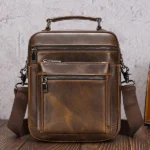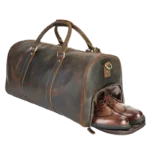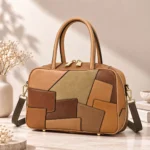
To compare leather bag factory quotations, make every supplier quote the same specification, quantity split and trade term. Then check eight cost items: leather, consumption, hardware, construction, branding and tooling, packaging, quality control, and delivery. A lower unit price means little when one quotation includes export cartons and custom hardware while another leaves them out.
Start with one quotation basis
A factory quotation is a commercial offer for a defined product and order. For wholesale genuine leather bags, it should connect the unit price to the leather specification, construction, quantity by colour, packaging and delivery basis.
Send the same request-for-quotation file to every supplier. Include dimensions, drawings, leather type and thickness, lining, reinforcement, hardware, logo, packaging, quantities and destination. A shared quotation table exposes differences that general descriptions hide.
Marrant produces wholesale and custom genuine leather goods. Our company information explains the manufacturing background; comparison begins with a clear product file.
The 8 cost items every buyer should compare

These eight items shape most leather bag factory quotations. Confirm what is included and what triggers an extra charge.
| Cost item | What the quotation should state | Why buyers should check it |
|---|---|---|
| 1. Leather specification | Animal type, leather grade, finish, thickness and colour | “Genuine leather” alone does not define material quality or price |
| 2. Leather consumption and yield | Pattern basis, large visible panels and treatment of natural marks | Irregular hides and strict panel selection increase usable-area loss |
| 3. Hardware and zippers | Material, finish, supplier, zipper grade and included accessories | Similar-looking fittings can differ greatly in weight and durability |
| 4. Construction and labour | Panel count, piping, reinforcement, pockets, edge finishing and stitching | Structured or detailed bags require more operations and skilled time |
| 5. Branding and tooling | Embossing die, printed label, custom puller, metal mould and setup charge | One-time tooling should not be confused with the repeat-order unit price |
| 6. Packaging | Dust bag, tissue, protective wrap, hangtag, inner box and export carton | Missing packing costs often appear after the unit price is accepted |
| 7. Quality control | In-process checks, final inspection, test requirements and defect handling | Inspection scope affects risk as well as price |
| 8. Trade and delivery terms | EXW, FOB, CIF or DDP basis, named place, lead time and quote validity | Different trade terms allocate transport, export and import costs differently |
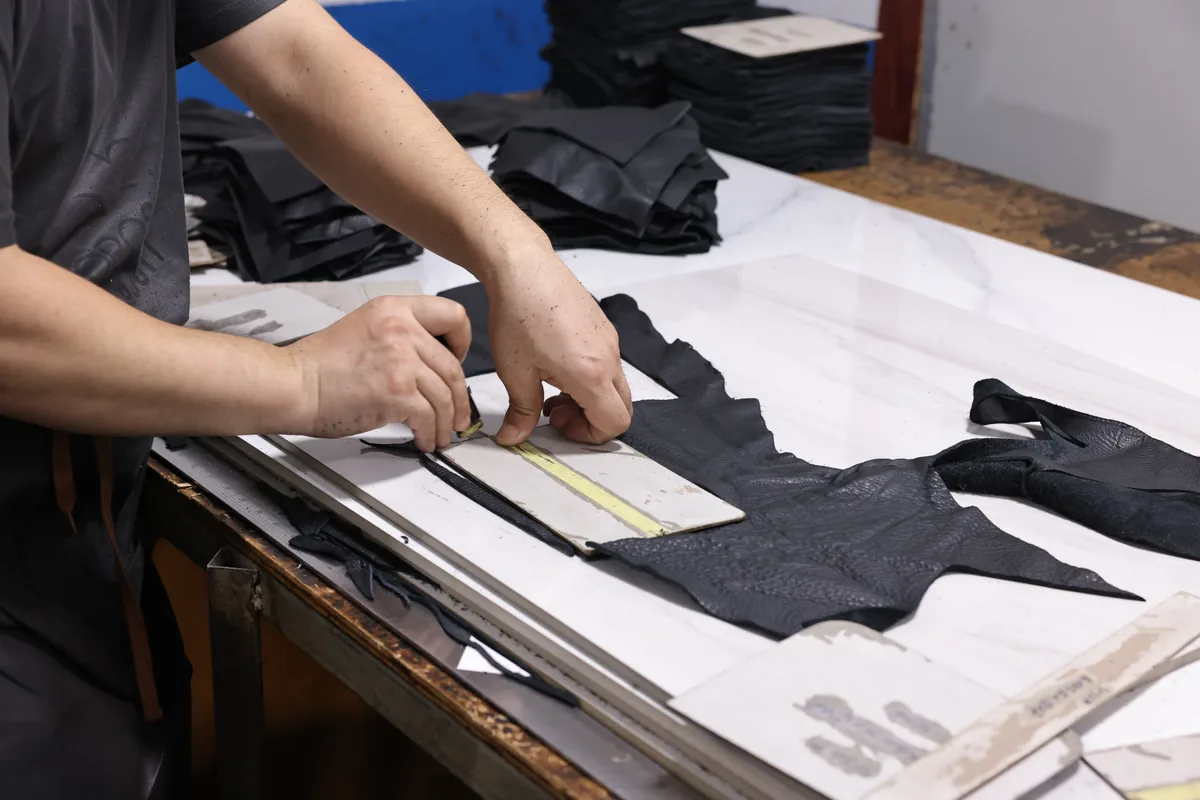
Leather needs special attention because natural marks and irregular hide shapes reduce cutting yield. A wide front panel can cost more than several small pieces. The pattern-layout photograph shows why dimensions alone do not reveal the material requirement.
Separate unit costs from one-time charges
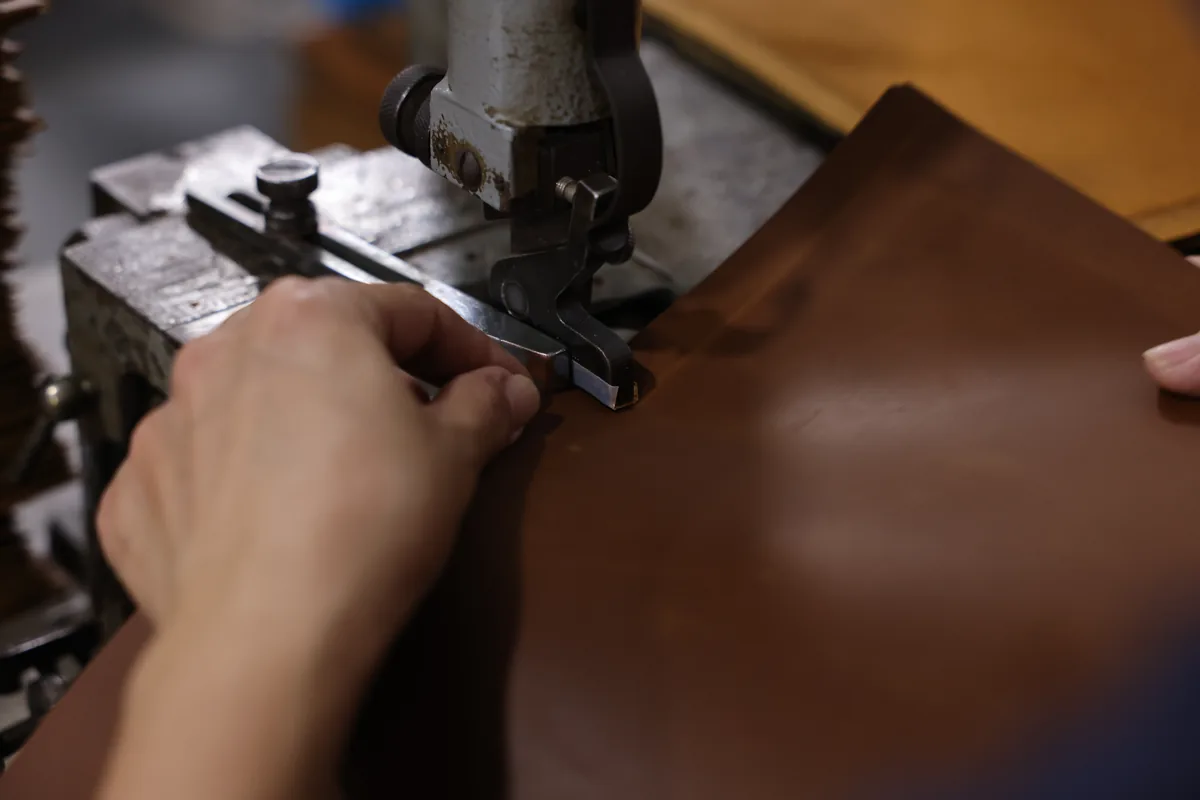
Comparing only the price per bag distorts the result. A new OEM quotation may contain sample development, an embossing die or a hardware mould. These charges may not repeat when the design stays unchanged.
Ask the supplier to place recurring and one-time charges on separate lines:
| Charge type | Typical examples | Comparison method |
|---|---|---|
| Recurring unit cost | Leather, lining, standard hardware, labour and standard packing | Compare per piece at the same quantity and specification |
| One-time development | Pattern work, first sample and revision work | Confirm what happens if the order proceeds |
| Tooling | Logo die, cutting die or custom metal mould | Confirm ownership, storage and future reuse |
| Optional service | Third-party testing, special inspection or photography | Add only when required by the project |
Our leather bag OEM process explains sampling and approval. Separating development charges makes the repeat-order price clearer.
Check quantity by style and colour
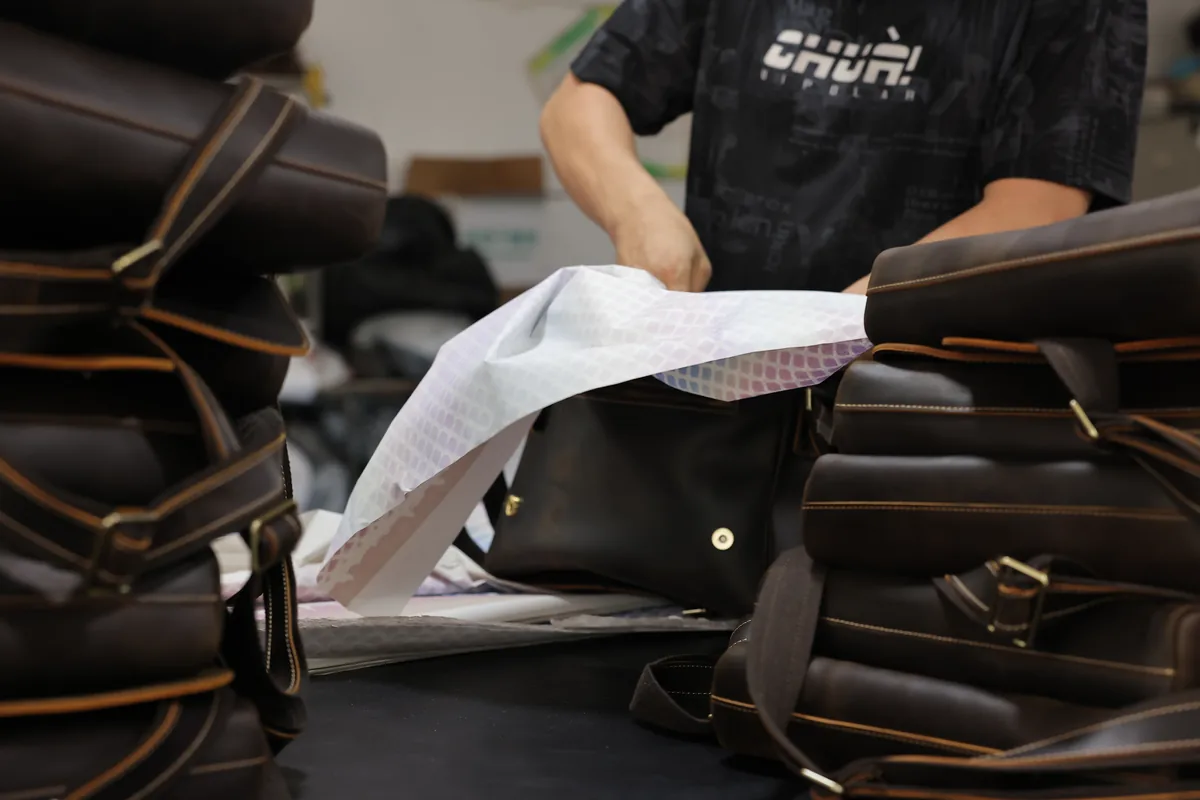
Three hundred identical bags are priced differently from 300 units divided among five styles and three colours. Each version can require separate leather allocation, line setup, labels and carton marks.
Here is what nobody in the industry tells you plainly: “300 pieces total” is not enough for a dependable price. Send a style-by-colour breakdown. Marrant’s published custom-logo starting point is generally 50 pieces, with flexibility discussed case by case; workable quantities still depend on the style, material and colour split.
Use our wholesale leather bags planning guide to organise the assortment first.
Put EXW, FOB and delivered prices on the same line
EXW normally leaves collection and export arrangements to the buyer, while FOB includes agreed responsibilities up to loading at the named port. Every term needs a named place and the applicable Incoterms rule.
Do not compare a US$38 EXW price directly with a US$42 FOB price. Add costs until both reach the same responsibility point: product, tooling, packing, inspection, inland transport, export charges, freight, insurance, duty, tax and payment fees. Mark an unknown cost as unknown, never zero.
Look for exclusions and substitution risks
A professional quotation should be clear to another team member. Challenge phrases such as “standard leather,” “normal hardware” or “packing included” when no reference defines them.
Red flags include:
- No leather grade, thickness or finish
- One total quantity with no style-and-colour breakdown
- Custom logo included without a method or tooling line
- No quotation validity period when material prices may change
- No named trade term or delivery place
- Sample and bulk specifications described differently
- A much lower price accompanied by unclear exclusions
Why approve the cheapest quotation if nobody can name its zipper or reinforcement? Resolve gaps before sampling and record every proposed material or construction change.
Build a final comparison sheet before choosing
Place suppliers in columns and the eight items in rows. Add quantity, lead time, payment schedule and validity. Use “included,” “excluded,” an amount or “not confirmed”—never a blank cell.
Consider price alongside sample quality and evidence that the factory can reproduce the approved bag. A higher complete quote may beat a headline price followed by tooling, packing and transport additions.
Frequently Asked Questions
Q1: What information should I send before requesting a leather bag factory quotation?
Send the bag dimensions, design or reference, leather specification, lining, hardware, construction details, logo method, packaging, quantities by style and colour, destination and required trade term. Clear inputs make quotations easier to compare.
Q2: Should sampling and tooling be included in the leather bag unit price?
They should be shown clearly, but not necessarily built into every unit. Ask the factory to separate sample development, logo dies and custom moulds from recurring production costs and explain whether any charge is credited or reused later.
Q3: How can I compare EXW and FOB leather bag quotations?
Bring both quotations to the same responsibility point. Add collection, inland transport, export handling and other missing costs to the EXW offer, then compare the same product specification and shipment scope.
Request a Comparable Leather Bag Quotation
Conclusion: compare what each price actually buys
Standardise the product and order, then check all eight cost items and exclusions. The best quotation clearly connects price, specification, quantity and delivery responsibility. Send your requirement sheet through the Marrant factory contact page for review.