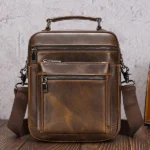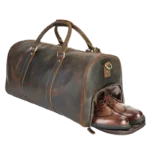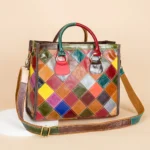
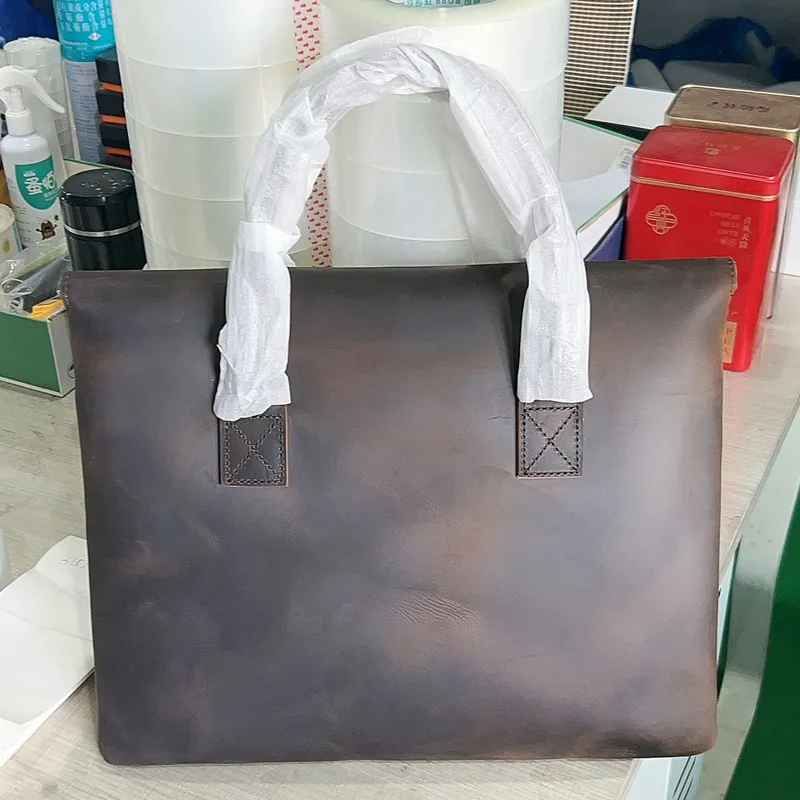
New leather handbags always arrive stuffed with packing paper. For those sourcing wholesale leather bags, many buyers wonder why factories add this filler during packing. This inner paper works as a removable support for storage, carton packing and international shipping. It prevents front and back panels from collapsing, holds up the base and side gussets, and absorbs outside pressure to protect vulnerable areas of each bag.
This packing paper is not only used to make bags look full and attractive for retail display. Its main purpose is damage prevention throughout the whole supply chain.
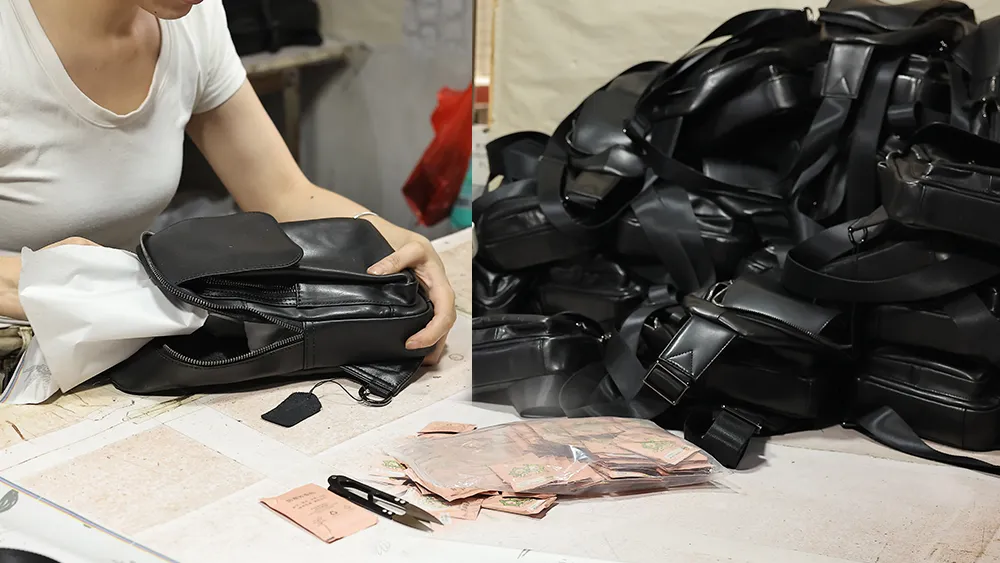
What Is an Inner Support System for Leather Handbags?
From our production floor at Marrant Leather Goods, an inner support system refers to temporary, removable clean packing materials. These materials hold bag panels, base, side gussets and opening in correct shape, without stretching or distorting the original form of the leather.
“Without stretching” is a critical rule for leather packing. A structured briefcase should leave the factory with flat front panels and firm upright sides. A soft tote bag needs to keep its natural loose drape instead of being forced into a rigid box‑like shape. Our goal is simple: preserve exactly the shape confirmed during sample approval.
If bags are shipped without any inner filler, stacking pressure inside shipping cartons will push in bag surfaces. Deep creases, sunken side panels and bent corners may appear. Minor marks can fade over time, but heavy pressure folds on genuine leather are often permanent and cannot be repaired.
There is little value in refining leather selection, stitching and design details, if careless packing ruins goods before they reach the wholesale buyer.
Different Bag Styles Require Different Packing Fillers
There is no universal amount of packing paper that fits every handbag style. Fillers must match each bag’s internal structure and account for pressure shifts inside export cartons.
| Bag Type | Key Areas to Support | Recommended Packing Practice | Risks Caused by Poor Filling |
|---|---|---|---|
| Leather briefcases | Front & back panels, base, side gussets | Even, full‑coverage inner support | Panel creases, side panels bulge outwards |
| Leather tote bags | Base, lower corners, main compartment | Light filler to keep natural soft drape | Under‑filled bags collapse; over‑filling kills casual soft silhouette |
| Multi‑compartment handbags | Main compartment, dividers, side pockets | Support every separate compartment individually | Well‑filled main section gives zero protection for empty side pockets |
| Leather travel bags | Large main cavity, base, end panels | Spread filler evenly; avoid one tight central clump | Unsupported large surfaces fold under carton stacking weight |
| Top‑handle handbags | Main body, bag opening, handle clearance | Support bag body; keep handles away from carton inner walls | Handles press against bag shell and leave permanent indentations |

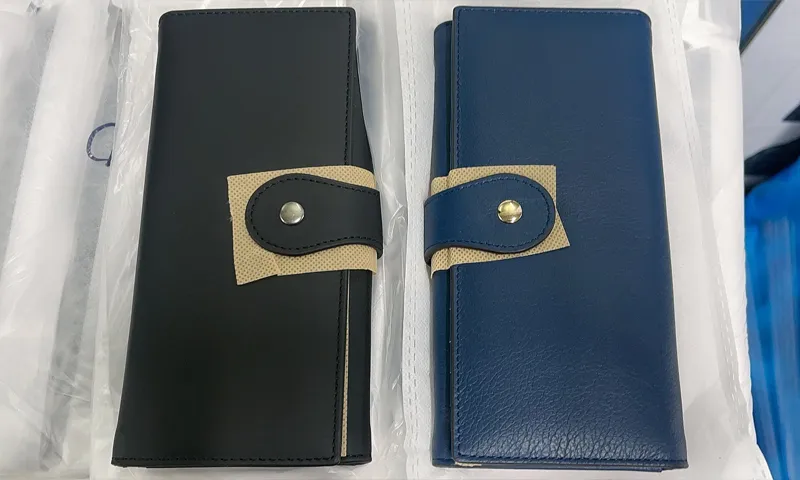
A Common Production Problem Most Wholesale Buyers Never See
A bag may look perfect while sitting on the workbench during sample approval. Once placed inside a real export shipping carton, hidden issues can show up. Center panels sag inward, corners cave in, or top handles get squeezed against carton walls.
This happens frequently in mass production, and it is not a manufacturing defect.
Our packing team will not fix shape issues by shoving extra paper deep inside the bag. Instead, workers reopen each unit, locate unsupported weak spots, and redistribute filler to reinforce panels, corners and gussets. Straps and metal hardware get repositioned, and all closures are double‑checked.
Once this packing method passes internal review, it becomes the standard followed for the full bulk‑order run.
Many suppliers skip this step: a handbag can pass visual inspection on the table, yet arrive deformed after ocean freight inside export cartons.
How Much Packing Filler Is Appropriate?
Adding more paper does not always mean better protection. Over‑stuffing forces the zipper or top opening outward, bulges side panels, and creates continuous tension on stitching and snap closures.
Soft totes may turn unnaturally stiff. Structured styles can end up wider than the pre‑approved sample.
At Marrant, our packing team follows three practical checks for proper filler volume:
1. The bag gets full 3‑dimensional support without looking bloated or over‑stuffed.
2. Gentle finger pressure still yields small natural give on leather surfaces.
3. Zippers and magnetic snap closures close smoothly, with no forced tension.
If you have to pull hard on a zipper to close the bag over inner filler, you have used too much paper. If front panels cave in immediately when you lift the bag, there is not enough filler inside.
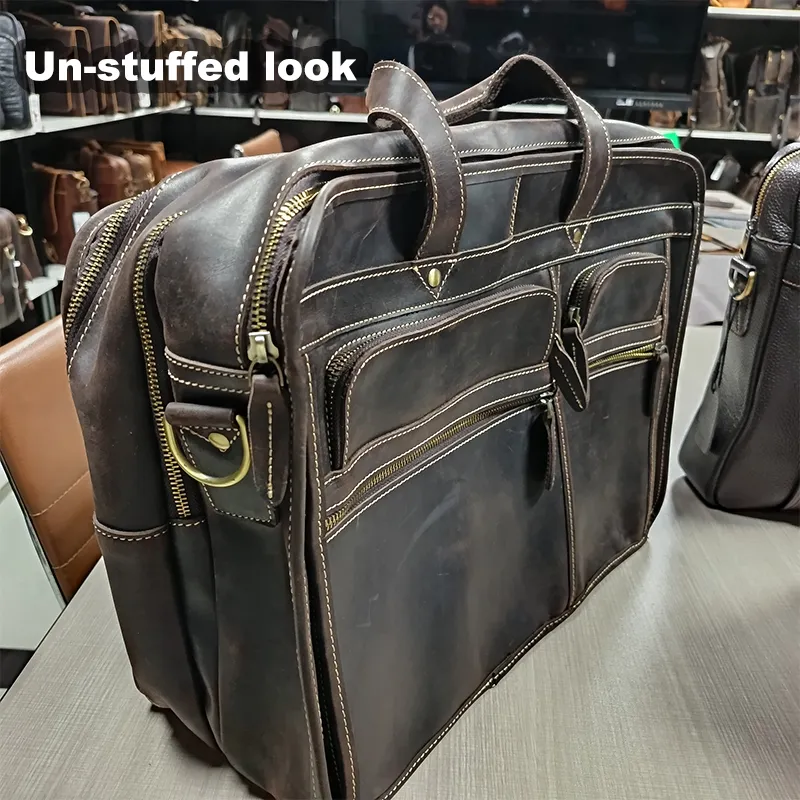
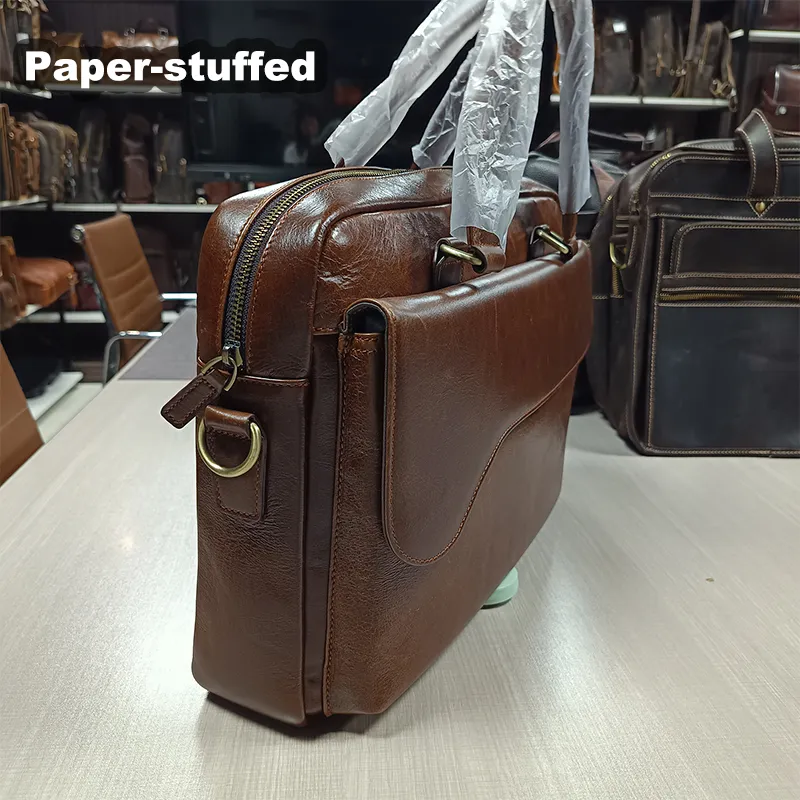
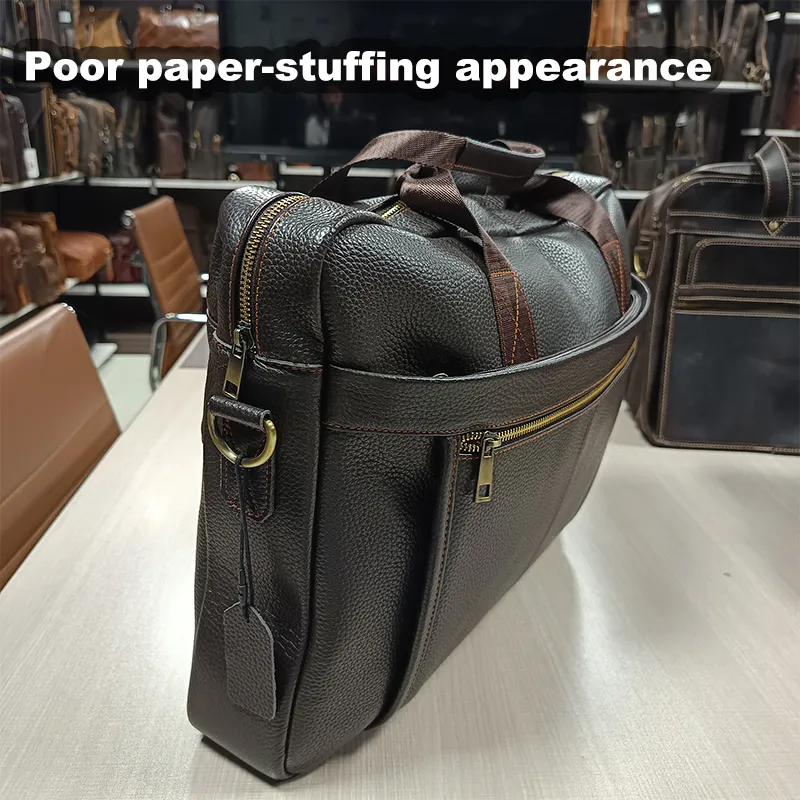
The photo above shows three real‑world packing outcomes for leather briefcases. Even sturdy crazy‑horse leather cannot resist collapse without inner support during transit. Left with no filler, bags cave in and form stubborn creases that will not disappear. On the other hand, careless over‑filling pushes panels outward, creating bloated, unnatural silhouettes. Only well‑balanced paper filling preserves the exact original shape you approved on samples.
What Materials Are Suitable for Inner Bag Packing?
Plain paper remains widely‑used because it is lightweight, cost‑effective, and easy to crumple to fit irregular bag interiors. Still, not every material that fits inside a bag qualifies for production packing.
Anything touching leather lining must stay clean and dry. No heavy‑ink printed paper, staples or loose debris should be used. Extra care is required for light‑colored linings; ink transfer can leave permanent stains which cannot be cleaned off.
Based on bag construction, acceptable packing materials include:
‑ Clean tissue paper or blank wrapping paper
‑ Pre‑formed paper bundles
‑ Moderate‑density air cushions
‑ Custom molded inner supports
‑ Separator sheets placed between metal hardware and leather surfaces
Rigid hard inserts perform great for heavily structured briefcases, but they will ruin the soft natural fall of tote‑style handbags. Air cushions reduce shipping weight, yet over‑inflation creates outward pressure just like excessive paper filling.
Material selection depends on bag build, expected warehouse storage time, shipping route, buyer specifications and desired unboxing experience.
Paper Filler Alone Cannot Fully Protect Your Leather Bags
Even correctly filled bags can sustain damage if straps, chains and metal hardware are carelessly positioned during packing.
Detachable shoulder straps should never get crushed against the bag outer shell. Buckles can scratch leather surfaces; metal chains may press and leave permanent indentations over weeks of sea freight. Long straps should be neatly folded inside the bag whenever possible, or isolated from leather with clean protective sheets.
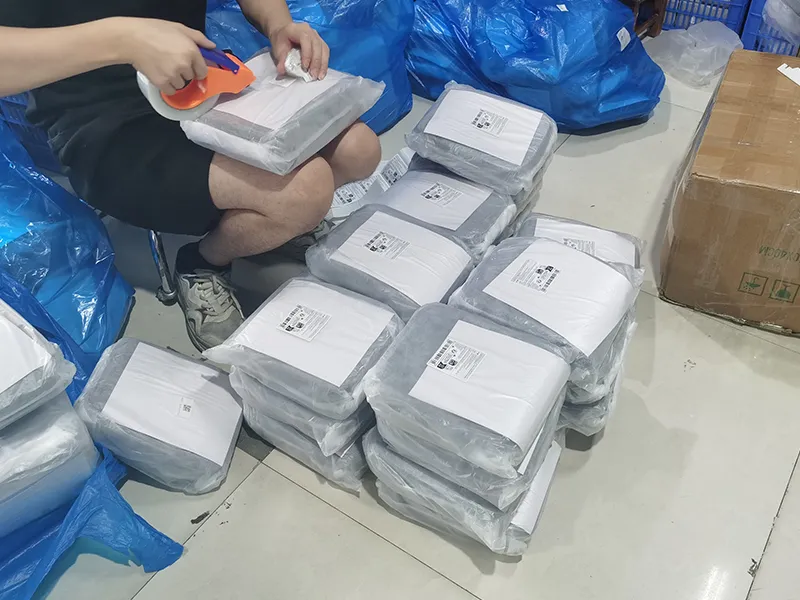
Before sealing each individual poly bag, packers verify these key points:
‑ No paper trapped within zipper teeth
‑ Metal hardware does not press directly onto visible leather surfaces
‑ Magnetic closures are closed without heavy squeezing force
‑ Detachable straps folded without sharp kinks
‑ Top handles sit clear of poly bag and carton inner walls
These items make up Marrant’s four‑part packing audit: bag shape integrity, closure function, hardware separation, plus strap & handle positioning.


Carton Size Directly Impacts Final Bag Condition
Can a tightly‑fitted export carton replace proper inner bag support?
Absolutely not.
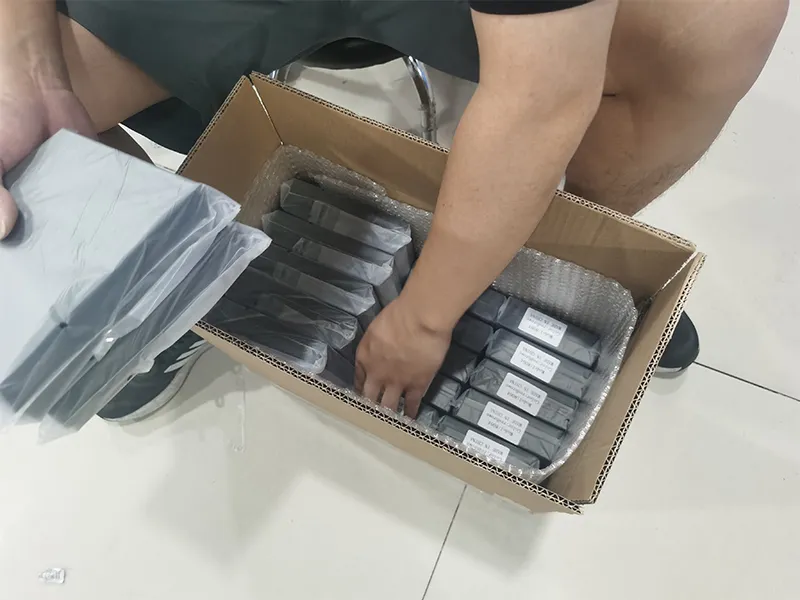
Over‑large cartons allow bags to shift and knock against each other in transit. Cartons that are too small squeeze goods under constant compressive force and deform handbags. When multiple units are packed inside one master carton, metal hardware from one bag must not rub against leather of neighboring pieces.
Our core principle: products should sit stable inside cartons without being compressed.
Empty carton gaps get filled with divider boards or cushion material. You should never force a carton lid shut as a cheap workaround for poor inner bag packing.
For overseas custom and OEM projects, always sign‑off on a full packing sample before mass packing starts. The approved bag orientation, filler layout, strap arrangement and carton configuration will then be copied for the complete production batch.
Marrant’s full leather bag customization & OEM service covers unit‑level packing protection, custom branded packaging and export carton specifications.
Tips for Wholesale Buyers After Receiving Your Shipment
Retail buyers purchasing women’s leather handbags wholesale should inspect outer carton condition first. Unpack sample units taken from different positions inside the master carton — do not only check bags sitting on top.
Examine overall bag shape, corners, handles, closures, and leather contact points near metal hardware. If items will go straight onto retail shelves, remove all inner packing paper and let bags air naturally.
For long‑term warehouse storage, you may keep part of the clean inner filler to preserve shape. Do not over‑stuff. Avoid newspaper, damp paper or heavily‑printed promotional inserts. Store handbags inside breathable dust bags; never seal them long‑term inside non‑ventilated plastic packaging.
Frequently Asked Questions
Q1: Why do factories put paper inside wholesale leather bags?
Paper reinforces panels, base, side gussets and bag openings throughout warehousing and shipping. Its primary job is to prevent collapse and pressure‑related damage, rather than purely improving visual appearance.
Q2: Can too much filler deform leather bags?
Yes. Over‑packing stretches bag openings, pushes side panels outwards, and puts unnecessary stress on zippers, stitching and closures. Correct filler maintains the approved original shape, while still retaining slight natural flexibility.
Q3: Which packing details should wholesale buyers confirm before mass production?
Buyers need to verify filler material, filler placement, strap handling, hardware protection, individual unit packaging, carton measurements and unit quantity per carton. Signing‑off on a packing sample is especially critical for structured bags, multi‑compartment styles and long‑haul international shipments.
👉 Discuss Your Wholesale Leather Bag Requirements
Conclusion
The packing paper placed inside new leather handbags is not just disposable decorative filler for show. Within factory production workflows, it acts as temporary inner protection. It preserves your pre‑approved bag shape, distributes transit pressure evenly, and safeguards goods through warehouse storage and cross‑border shipping.
High‑quality packing depends on thoughtful filler placement, proper packing‑material selection, hardware protection, careful strap handling and correctly‑sized export cartons. For wholesale leather bag orders, the best outcome is not artificially plump‑looking bags — but well‑supported products arriving exactly matching your pre‑approved sample condition.