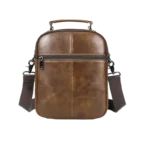
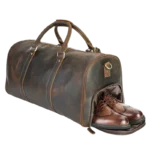
If you’re based in the UK and own a crazy horse leather backpack, you’ll know exactly what a love-hate relationship feels like. It’s easily my favourite everyday bag I’ve ever owned — tough, full of vintage character, and it only gets better with age. But living in Britain’s perpetually damp, drizzly, grey climate means our leather bags take a proper beating. Constant drizzle, muddy pavements, dusty train rides, and cramped office days all leave their mark.
I’ve carried my own crazy horse leather backpack daily for nearly four years, commuting across Manchester city centre, popping between rainy outdoor walks and stuffy heated offices. Early on, I made every cleaning mistake going. I scrubbed stubborn marks, used wet wipes, left it by the radiator to dry, and once even tried soapy water on a muddy stain — and absolutely ruined the bag’s natural wax finish. It turned patchy, faded in spots, and lost that soft vintage tone entirely.
After years of trial and error, chatting with local leather repair shop owners, and figuring out what actually works for our UK weather, I’ve landed on a dead simple, zero-fuss cleaning and maintenance routine. No fancy professional kits, no complicated steps, just practical habits that keep your crazy horse leather backpack looking brilliant while letting it age naturally and beautifully.
Before we start, one crucial point every UK bag owner needs to know: crazy horse leather is nothing like standard finished leather. Its charm comes from a natural oil and wax coating. Harsh cleaning, over-wiping, or excessive moisture will strip that protective layer forever. Our goal is never to scrub it spotless — it’s to clean gently, preserve its texture, and let it build that unique British-worn patina we all love.
Daily Quick Clean (2 Minutes, Perfect for UK Commuters)
You don’t need deep cleans weekly. For regular city wear, a super light daily wipe is more than enough to stop dirt building up and embedding into the leather pores.
Keep a soft dry microfibre cloth handy — I keep one in my desk drawer at work and another at home. Every couple of days, give the entire backpack a gentle wipe down to lift surface dust, tiny pavement grit, and dry residue from rain drizzle.
Never use wet wipes, antibacterial wipes, or household cleaning cloths. These contain alcohol, chemicals, and artificial fragrances that strip away the natural wax. I’ve seen so many cheap-looking, dull crazy horse bags in London street markets, all ruined from overzealous chemical cleaning.
This dry wipe routine is especially vital in autumn and winter, when the UK air is thick with damp grime that sticks stubbornly to leather surfaces.
How to Fix Light Stains & Rain Splodges (Common UK Weather Marks)
Rain splashes, faint muddy smudges, and minor everyday marks are unavoidable living in Britain. The worst thing you can do is scrub hard to remove them. Crazy horse leather’s waxed top layer will patch instantly if you overwork it.
For all light stains, stick to this foolproof method:
Dampen a clean, soft cotton cloth with cold distilled water only. Make it just slightly damp — not wet, no dripping water at all. Gently dab the stained area, don’t rub back and forth aggressively. Work along the natural grain of the leather, not against it.
If the mark is a little stubborn, add one tiny drop of mild, pH-neutral castile soap or saddle soap — nothing harsher. I’ve used regular hand soap before and regretted it completely; it leaves pale, permanent faded patches on the wax finish.
Once you’ve lifted the stain, take a fresh dry cloth and pat away any leftover moisture. Leave the backpack to air dry naturally in a cool, well-ventilated room. Never place it near radiators, heaters, or direct sunlight. UK indoor heating dries leather out shockingly fast, leaving it stiff, cracked, and lifeless.
Tough Stain Removal (Mud, Coffee & Daily Grime)
If you’ve got set-in mud from rainy country walks or accidental coffee spills on your commute, don’t panic. You don’t need professional cleaning services.
Wait for any wet mud to dry out fully first. Trying to wipe wet mud only smears it deeper into the leather fibres. Once dry, brush away loose dirt gently with a soft-bristled horsehair brush. After that, use the same damp cloth and mild soap method I mentioned above, working in tiny, gentle circular motions only on the affected spot.
A key trick I learned from a local Liverpool leather craftsman: always clean a small surrounding area after treating a single spot. This evens out the wax finish and prevents faint ring marks that often appear on crazy horse leather after partial cleaning.
Fix Scratches Naturally (Crazy Horse’s Best Hidden Feature)
Most new owners panic over surface scratches, but anyone with a well-worn crazy horse backpack will tell you: scratches are not flaws, they’re part of the look. What’s more, they’re almost always fixable.
Light scuffs from door frames, desk edges, or bag straps can be fixed in seconds, no products needed. Simply rub the scratched area firmly with the warmth of your clean hands. The body heat melts and redistributes the surface wax, blending the scratch away completely.
For slightly deeper marks, I use a hairdryer on the lowest warm setting (never hot). Give the area a quick blast while rubbing with your fingers, and the texture smooths out instantly. It’s the exact trick UK leather shop owners use to refresh vintage crazy horse stock.
Seasonal Maintenance (Tailored for UK Damp Weather)
Our British climate is brutal for leather. High humidity, constant drizzle, and chilly damp air make crazy horse leather prone to drying out or turning faintly mouldy if left neglected. I do a proper mini service every three months, and it keeps my backpack in immaculate condition year-round.
Once every quarter, after a light dry clean, apply a tiny amount of neutral leather wax or mink oil. A pea-sized amount is more than enough for an entire backpack. Rub it thinly and evenly across the whole surface, buff with a dry cloth, and leave it to rest overnight.
This replenishes the natural wax lost from daily wear and rainy weather, restores water resistance, and stops the leather from stiffening up in cold winter air. Do note that fresh wax will darken the bag slightly at first — this is completely normal, and it settles into a richer, more even vintage tone within a few days.
For storage, always keep your backpack in a breathable dust bag, not a plastic one. Plastic traps UK humidity and causes mildew spots. I keep mine on an open shelf in my spare room, away from direct window draughts and radiator heat.
What You Must Never Do (My Hard-Learned UK Mistakes)
After four years of trial and error, these are the absolute no-gos that ruin crazy horse leather beyond repair:
- Never soak or rinse the bag – Even a quick rinse strips all protective wax
- No chemical cleaners, wet wipes, or disinfectants – They bleach and dull the vintage finish
- Never dry on radiators or in direct sun – UK heat and sunlight crack leather fibres
- Don’t over-clean or over-condition – Too much product creates greasy, sticky patches that collect more dirt
Final Thought: Let It Age Naturally
The best thing about crazy horse leather is that it’s a living material. Mass-produced synthetic bags stay identical forever, but a crazy horse backpack evolves with your lifestyle. The faint marks, subtle colour deepening, and worn texture from UK commutes, weekend walks, and daily use are exactly what make it unique.
You don’t need a perfect, brand-new-looking bag. You need one that ages well. With this simple, weather-adapted UK cleaning routine, your crazy horse leather backpack will stay durable, stylish, and full of character for years, growing more vintage and unique with every season.