With 12 years of experience manufacturing genuine leather bags, we receive constant questions from buyers: How do I tell if a leather bag is authentic? What if I pay for top-grain leather only to receive synthetic material? Today we share four zero-cost tests requiring no professional tools to distinguish top-grain cowhide, split leather and faux leather, helping you shop for a reliable genuine leather bag.
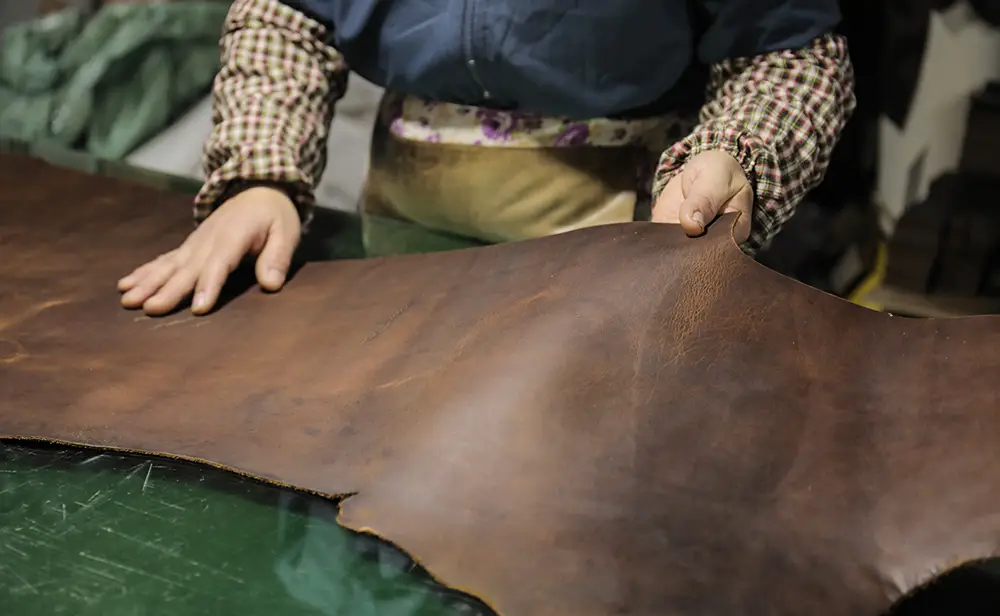
Basic Knowledge Before Inspection
Real leather mainly falls into two categories: top-grain cowhide and split cowhide. Both are processed animal hides. Faux leather (PU/PVC) is chemically synthesized material, costing only 1/10 of top-grain cowhide.
Common market scams include passing split leather off as top-grain leather, and faux leather as genuine leather. Master these four methods to avoid traps.
4 Ways to Check a Leather Bag (With Comparison Photos)
1. Visual Inspection: Check Grain, Pores & Cross Section
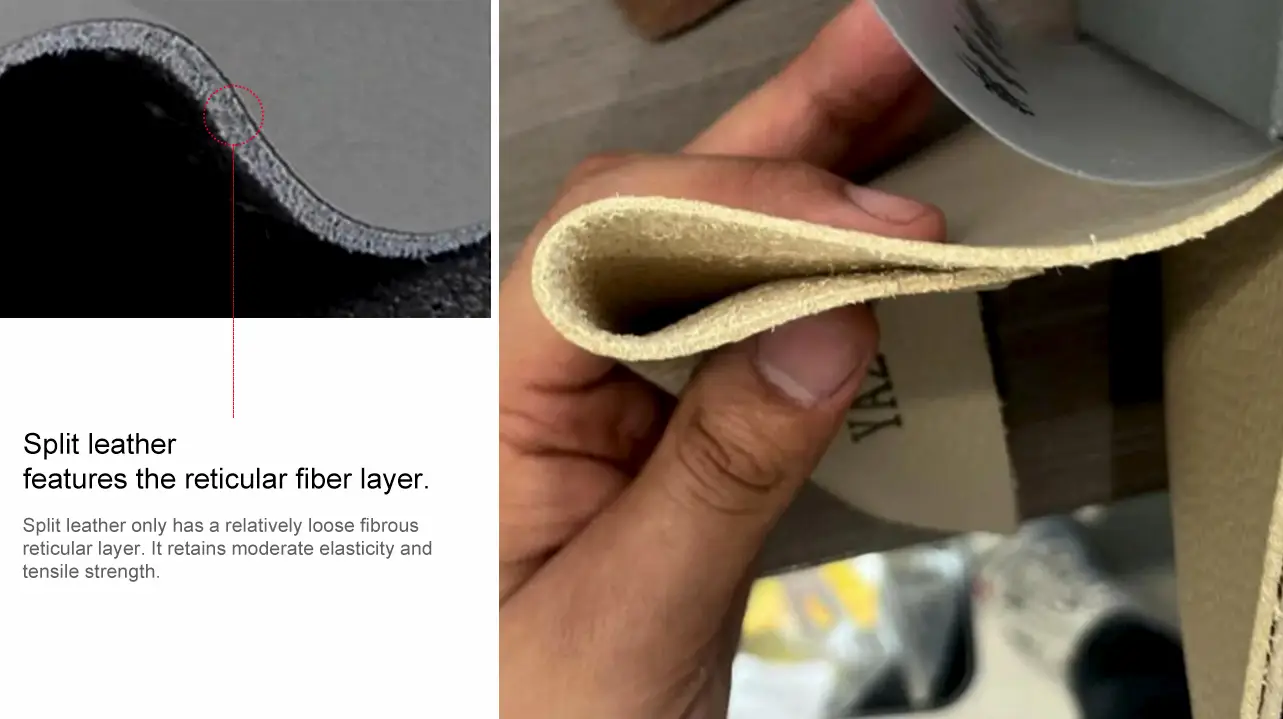
The most straightforward test, no damage to the bag required.
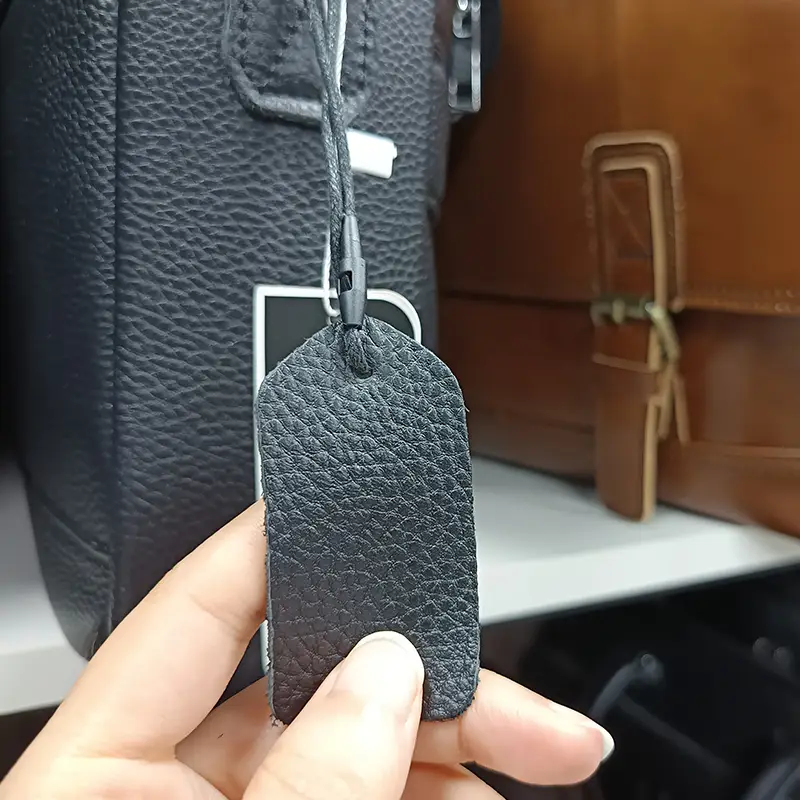
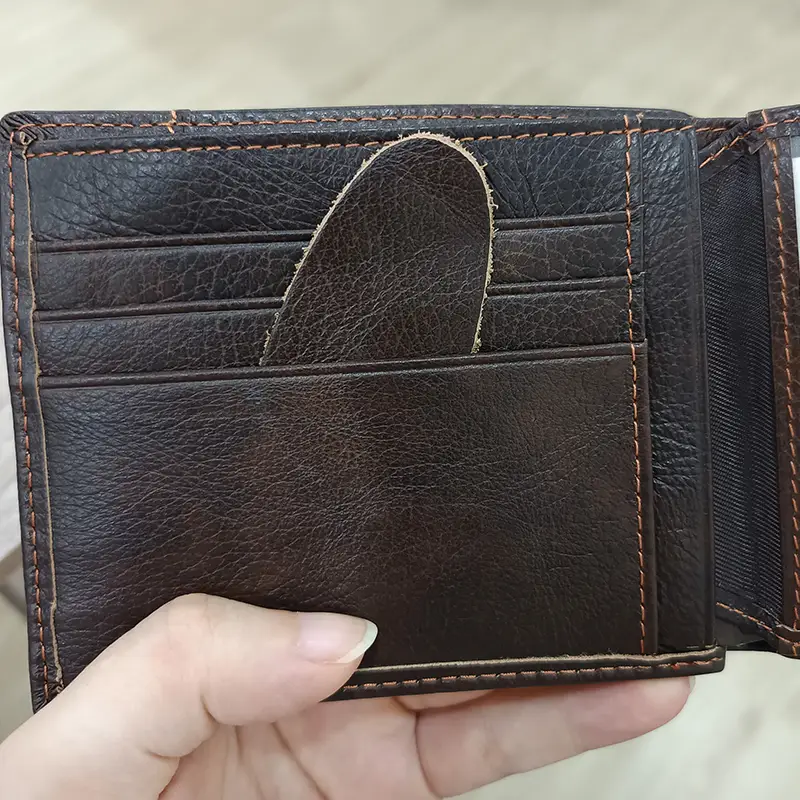
- Top-grain cowhide: Features irregular natural pores and grain patterns. No two leather panels look identical. The cross-section shows dense natural fibers without obvious layers.
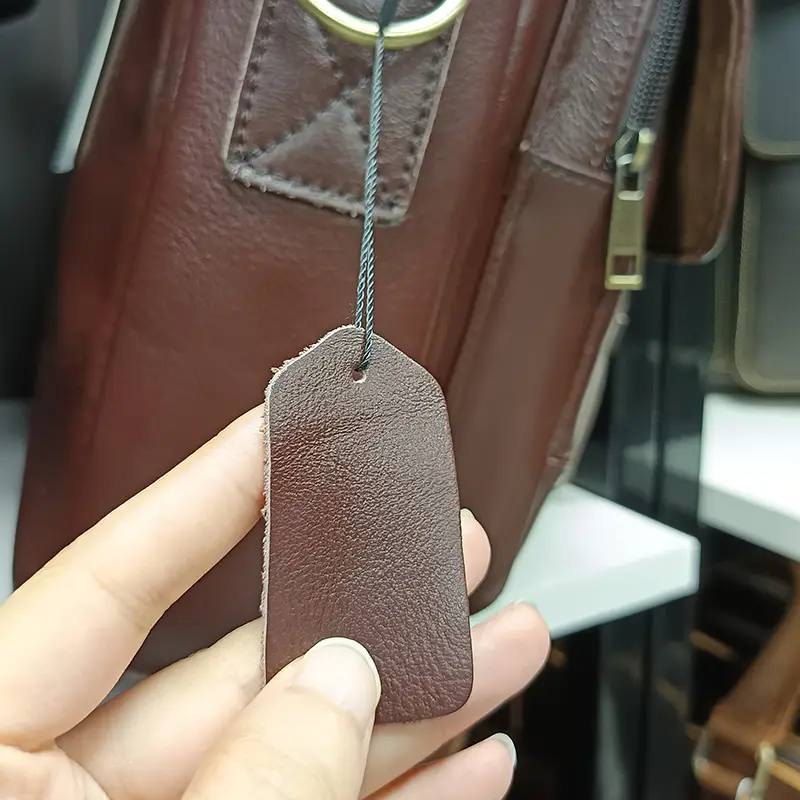
- Split cowhide: Derived from the lower layer of animal hide, coated with a film on the surface. Grain looks uniform and regular with indistinct pores. The cross-section clearly shows two layers: outer coating layer + inner leather fiber layer.
- Faux leather: Pores and grain are machine-embossed, perfectly uniform with no natural irregularities. The cross-section displays foamed plastic structure with no natural fibers. (Refer to comparison photos of different materials on our homepage for clear reference)
2. Touch Test: Texture & Resilience
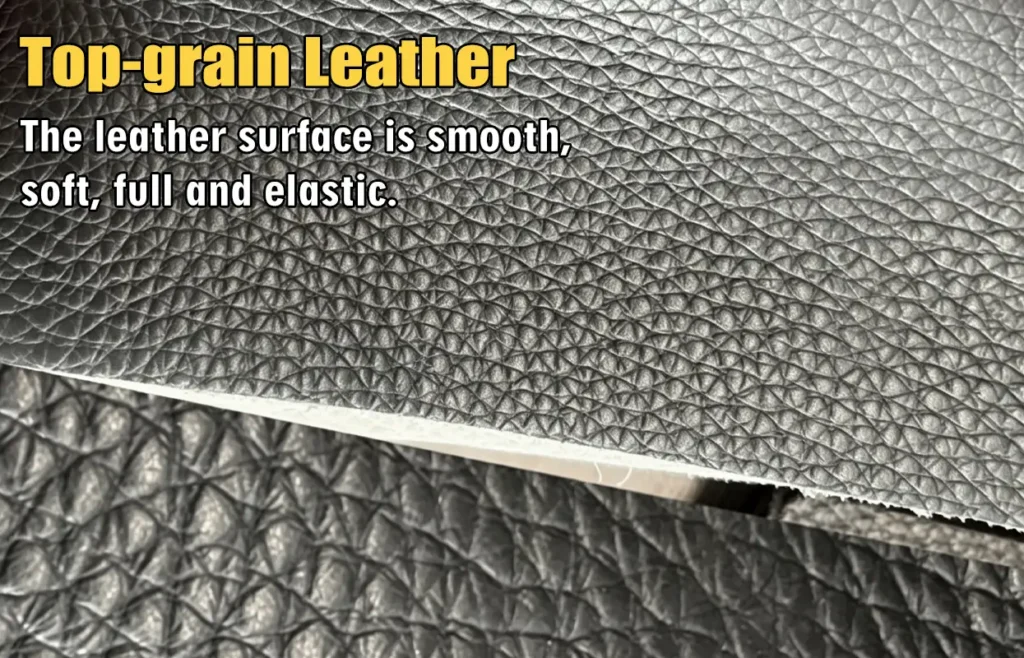
Real leather feels drastically different from synthetic leather.
- Top-grain cowhide: Soft, supple with subtle slight friction, not overly slippery. Press the surface and natural radial wrinkles appear. Wrinkles bounce back quickly after release, and indentations fade gradually.
- Split cowhide: Relatively stiff and smoother than top-grain leather. Few wrinkles form under pressure, with poor resilience.
- Faux leather: Feels plastic-like, sleek and cool to touch. Few or permanent wrinkles form when pressed; indentations linger for a long time.
3. Smell Test: Distinct Odor
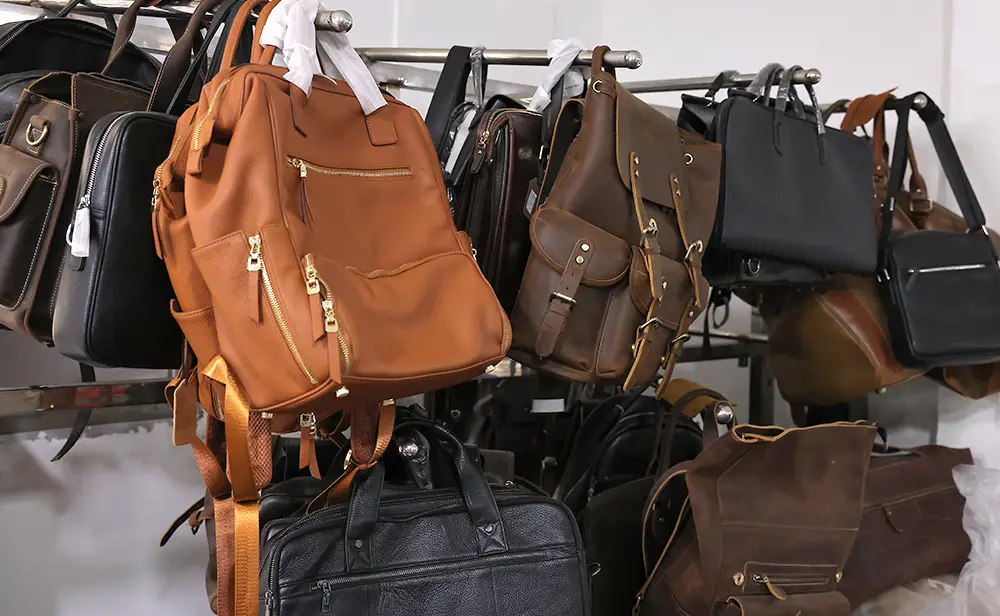
Materials have unique scents.
- Top-grain cowhide: Natural leather aroma, similar to faint animal hair scent, non-irritating and pleasant.
- Split cowhide: Light chemical odor from the surface coating, non-pungent, and fades after proper ventilation.
- Faux leather: Strong plastic or glue odor, sometimes acrid. Prolonged inhalation may cause discomfort. Low-quality faux leather bags may contain excessive formaldehyde.
4. Burn Test (Leather Scraps Recommended)
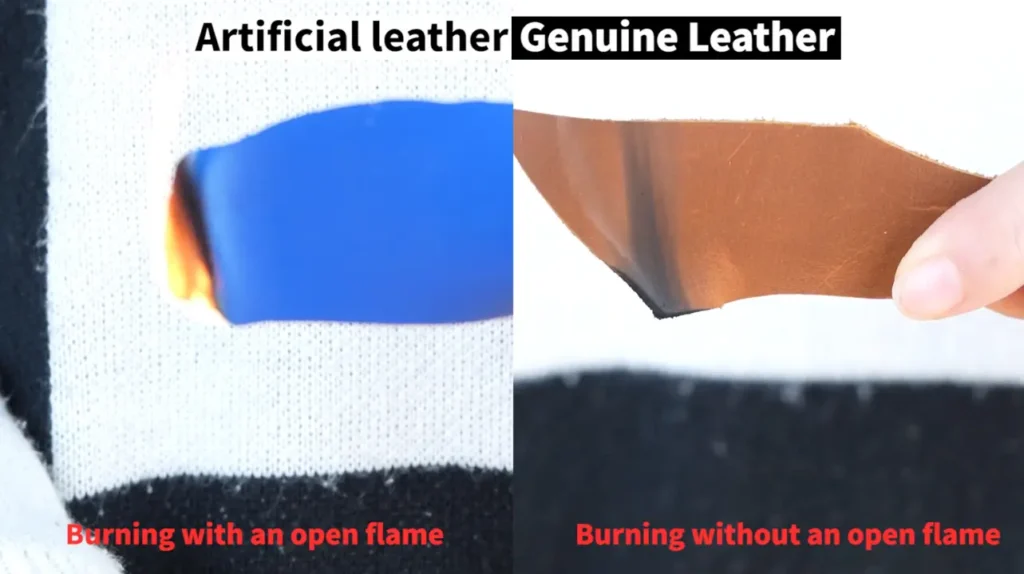
100% accurate identification if spare leather trimmings are available.
- Top-grain cowhide: Burns with an odor similar to burning hair or fingernails. Ash becomes crumbly black powder, no hard lumps.
- Split cowhide: Mild chemical smell while burning. Forms minor hard clumps alongside powdery ash.
- Faux leather: Sharp plastic burning odor with black smoke. Residue hardens into solid black chunks, accompanied by dripping black oily liquid. (Check burning demonstration clips on our homepage to compare material combustion states)
👉 Detailed Video Guide for Identifying Genuine Leather Bags
Material Comparison Table
| Inspection Item | Top-Grain Cowhide (Genuine Leather) | Split Cowhide | Faux Leather (PU/PVC) |
|---|---|---|---|
| Grain & Pores | Naturally irregular, unique on every panel | Uniform grain, unclear pores | Machine-embossed, perfectly regular |
| Hand Feel | Soft, slight friction, great resilience | Stiff & smooth, average resilience | Cool & slippery, no resilience |
| Odor | Natural leather scent | Faint chemical smell | Pungent plastic odor |
| Burning Characteristic | Smell of burnt hair, powdery ash | Mild chemical odor, minor hard lumps | Plastic fumes, hard clumps & dripping oil |
| Typical Market Price | 300 CNY | 100–300 CNY | Below 100 CNY |
| Service Life | 5–10 Years | 2–3 Years | 3–6 Months |
Frequently Asked Questions
Q1: Can I buy a genuine leather bag for dozens of yuan?
A: Raw top-grain cowhide alone costs over 100 CNY. Adding labor, hardware and shipping expenses, authentic top-grain leather bags cannot be priced at just dozens of yuan. Cheap options are almost always split leather or faux leather. Do not chase low prices and get scammed.
Q2: How to verify leather bags purchased online without touching or burning samples?
A: Ask sellers to provide close-up photos of leather surface and cross-sections to check for natural irregular grain. You can also request a burning test video. Reputable genuine leather manufacturers are willing to provide such proof.
Q3: Does higher price mean better top-grain cowhide bags?
A: Not necessarily. Top-grain cowhide has different grades. Imported top-grain yellow cowhide delivers premium quality, but luxury brands carry heavy brand premiums. Source from reliable factory wholesalers, and you can get identical genuine leather bags at one-third of the brand price.
Conclusion
This guide shares four practical, tool-free methods to help buyers identify genuine leather bags. We break down the differences between top-grain cowhide, split leather and faux leather by examining grain patterns, touch resilience, odor and combustion characteristics. The article also lists typical price ranges and service life for each material, answering common shopping questions. Learn to spot common market tricks such as split leather or synthetic leather passed off as top-grain genuine leather, so you can avoid scams and purchase high-quality genuine leather bags.
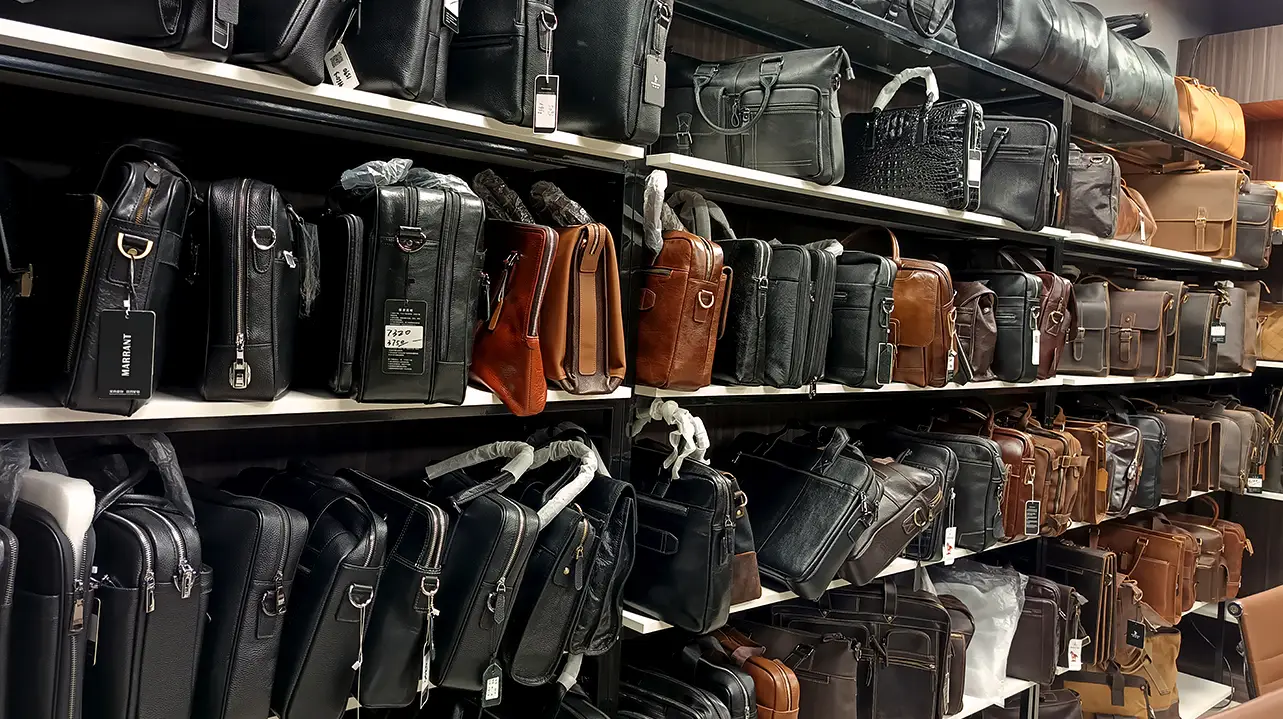
All genuine leather bags from Marrant Leather are crafted with imported top-grain yellow cowhide. Third-party inspection supported. Compensation of three times the price for counterfeits. Click our profile to browse more premium genuine leather bags. Get ¥50 off for orders now, plus complimentary professional leather care oil.