The leather bag consumption trends in 2026 are defined by quality upgrading, segmented demand, and diversified usage scenarios, reshaping the development direction of the global leather goods industry. Based on in-depth market research and massive order data from Marrant leather bag factory, the leather bag market has witnessed obvious differentiation between B2B and B2C consumer groups in recent years. Meanwhile, market demand for personalized customization has surged significantly, bringing new development opportunities for professional leather bag supplier and manufacturers worldwide. This white paper comprehensively analyzes user portraits, consumption habits, current market data, and future development trends, providing reliable market reference for global buyers, brand merchants, and industry practitioners.
Note: Partial consumer data is sourced from well-known Chinese shopping and service platforms, serving only for industry trend reference, not as absolute market evaluation standards.
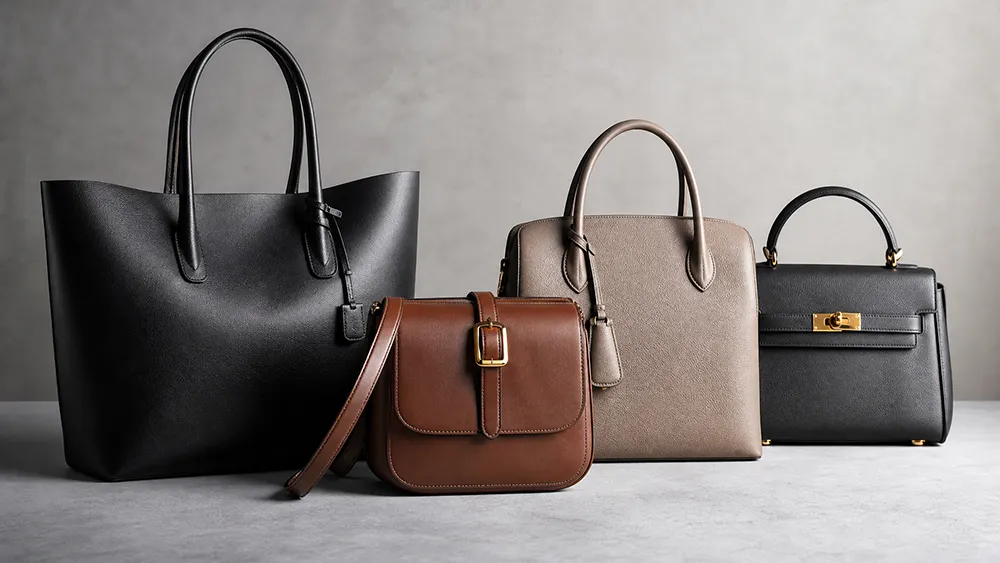
2026 Core Leather Bag Market Consumption Data
Supported by stable market demand and upgraded consumer aesthetics, the leather bag industry maintains steady growth in 2026. The overall market consumption presents the characteristics of moderate unit price, high repurchase rate, and booming customized demand. As a professional leather bag manufacturer, Marrant leather bag factory has accumulated sufficient market data to reflect the real current situation of the industry.
- Annual total order volume: Over 100,000 pieces
- Year-on-year market growth rate: 25%
- Customer unit price range: $25 – $170
- Overall market repurchase rate: 35%
- Custom order proportion: 40%, with a year-on-year increase of 60%
2026 Leather Bag User Profile Analysis
Through systematic sorting of 5,000 valid user research samples, the market consumer groups are divided into four core categories, covering individual consumers, cross-border sellers, brand merchants, and corporate customized clients. Different groups show huge differences in age distribution, demand preferences, and budget ranges.
| User Type | Proportion | Age Range | Gender Distribution | Core Demand | Unit Price Range |
|---|---|---|---|---|---|
| B2C Individual Consumers | 60% | 25-40 years old | Female 75% / Male 25% | Aesthetic appearance, durability, cost performance | $29 – $70 |
| B2B Cross-border Sellers | 20% | 28-45 years old | Male 60% / Female 40% | Small-batch wholesale, stable delivery cycle | $15 – $45 |
| B2B Brand Merchants | 12% | 30-50 years old | Male 55% / Female 45% | Full-process OEM & ODM customization, standard compliance | $29 – $85 |
| Corporate Custom Clients | 8% | 25-45 years old | Equal male and female | Logo customization, bulk procurement | $22 – $55 |
B2C & B2B Leather Bag Consumption Habit Comparison
There is a clear boundary between individual users and commercial purchasers in terms of decision-making logic and demand focus. B2C users pay more attention to personal usage experience, while B2B buyers focus on long-term cooperation stability and product comprehensiveness.
| Consumption Dimension | B2C Individual Users | B2B Purchasing Users |
|---|---|---|
| Decision Cycle | 1-7 days | 15-30 days |
| Core Focus | Appearance, durability, price | Quality stability, delivery time, custom capability |
| Information Channels | Social media, e-commerce platforms | B2B platforms, official websites, industry forums |
| Repurchase Cycle | 1-2 years | Monthly / Quarterly |
| Price Sensitivity | Medium | High |
2026 Mainstream Leather Bag Consumption Trends
Driven by market demand and consumer upgrading, five major trends dominate the 2026 leather bag market. Consumers are no longer satisfied with basic storage functions, but pursue high quality, scene matching, personalized design and environmental protection attributes.
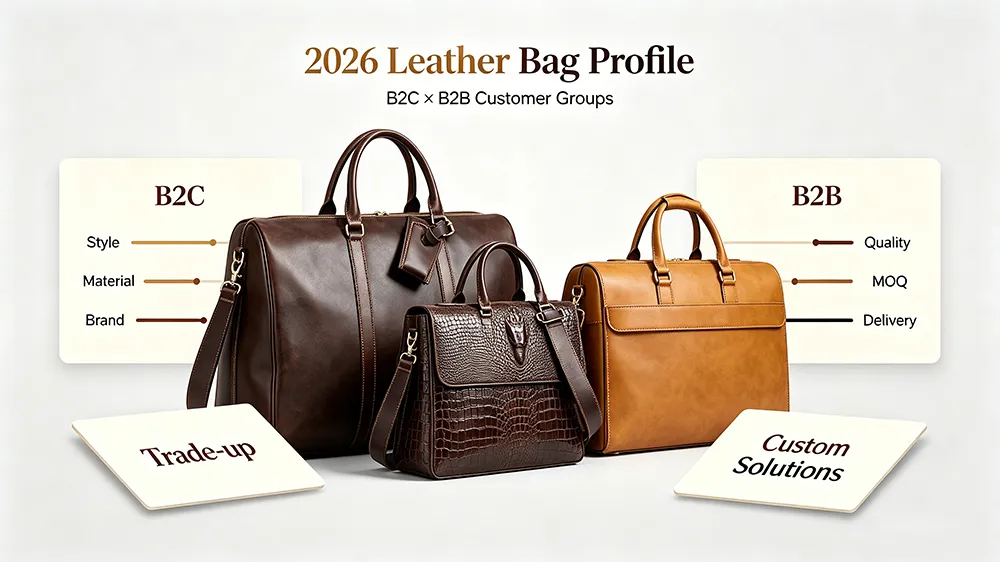
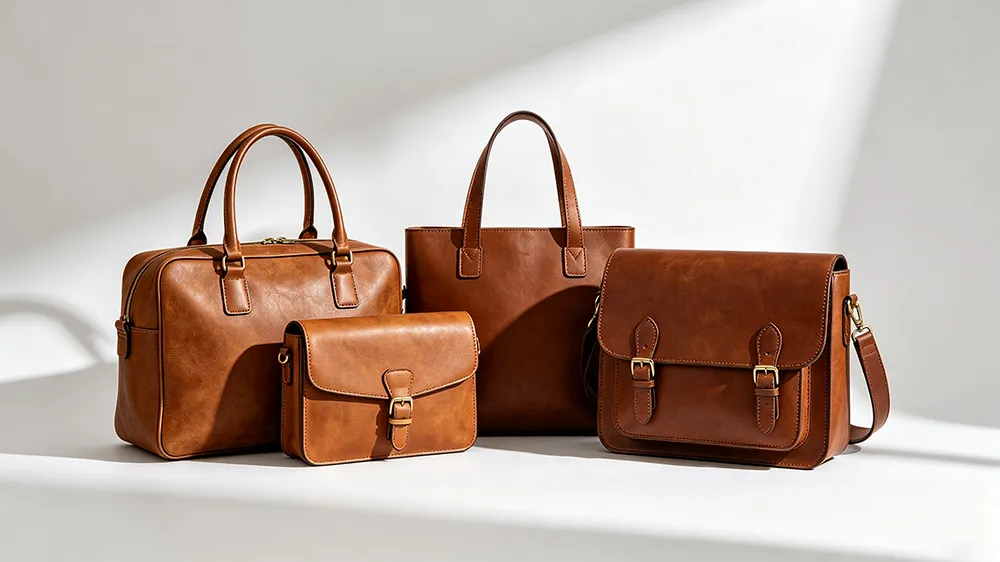
- Quality Upgrading: 68% of consumers are willing to pay premium prices for high-quality leather bags, and the order volume of top-layer cowhide products has increased by 40% year-on-year.
- Scenario Segmentation: Scene-based leather bags for commuting, parenting, retro style and EDC daily use have increased by 50%, becoming mainstream market products.
- Booming Custom Demand: The proportion of custom leather bag orders has risen from 25% in 2025 to 40% in 2026, with a 60% year-on-year growth.
- Retro Style Return: Retro messenger bags and tote bags are popular among consumers, with orders increasing by 45%, and Amekaji style has become a new market growth point.
- Sustainable Consumption: 52% of buyers pay attention to leather environmental protection, and the order volume of eco-friendly vegetable-tanned leather bags has increased by 30%.
3-Year Future Leather Bag Industry Forecast
In the next three years, the leather bag industry will achieve comprehensive upgrading in product positioning, production mode and environmental standards. High-end, personalized and intelligent production will become the core competitiveness of the industry. As a reliable leather bag supplier and factory, Marrant leather bag factory keeps optimizing production technology to adapt to market changes.
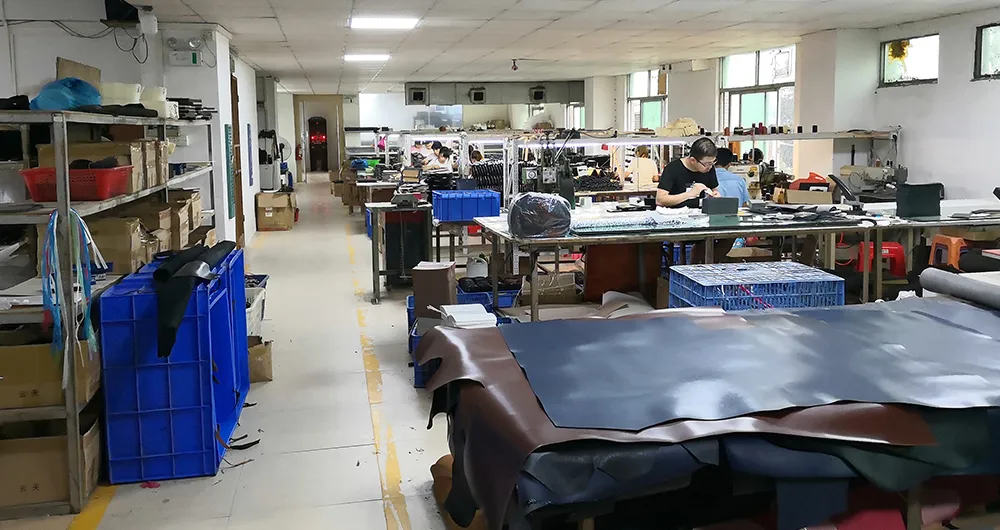
- High-end Market Development: The average market price of leather bags will rise steadily, and high-end customized products will occupy a larger market share.
- Universal Personalized Customization: Small-scale custom services will become industry standard, covering most market orders.
- Scenario-based Differentiated Design: Exclusive products for segmented scenarios will become the key for brands to compete in the market.
- Digital Production Popularization: AI design and 3D proofing will shorten production cycles and improve OEM & ODM service efficiency.
- Eco-friendly Industrial Upgrade: Environmental leather materials and traceable supply chains will become core consumer judgment criteria.
Frequently Asked Questions
Q1: What are the core changes in 2026 leather bag consumption trends?
A1: The core changes are quality upgrading, refined demand segmentation and explosive growth of personalized customization. The market share of custom leather bag products has increased significantly, while retro style and sustainable environmental protection have become new mainstream consumption concepts.
Q2: Who are the main consumer groups of leather bags in 2026?
A2: The core consumer group is 25-40-year-old female individual users. In the B2B market, cross-border wholesale sellers and brand customized merchants are the main purchasing groups, covering the age range of 28-50 years old.
Q3: What is the future development direction of the leather bag industry?
A3: The industry will develop towards high-end positioning, personalized customization, scenario-based design, digital production and environmental sustainability. Custom services will be more popular, and the market will be more standardized and refined.
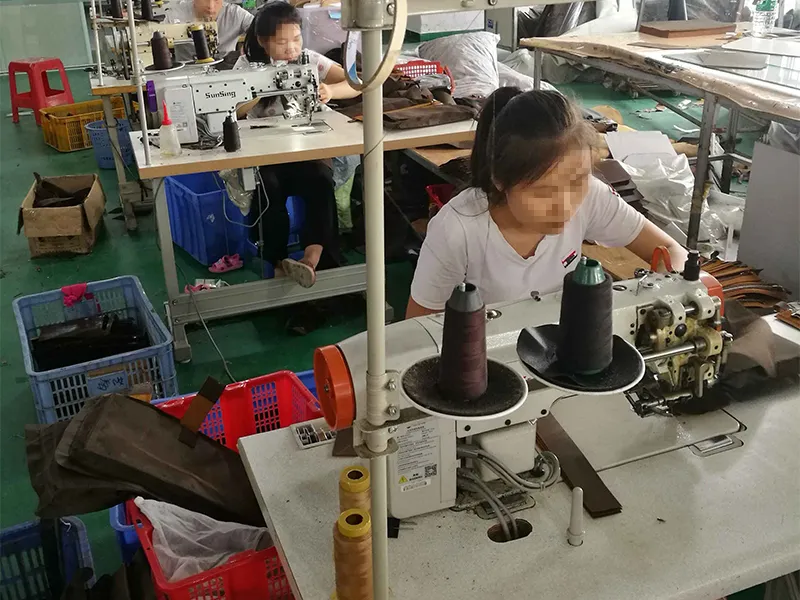
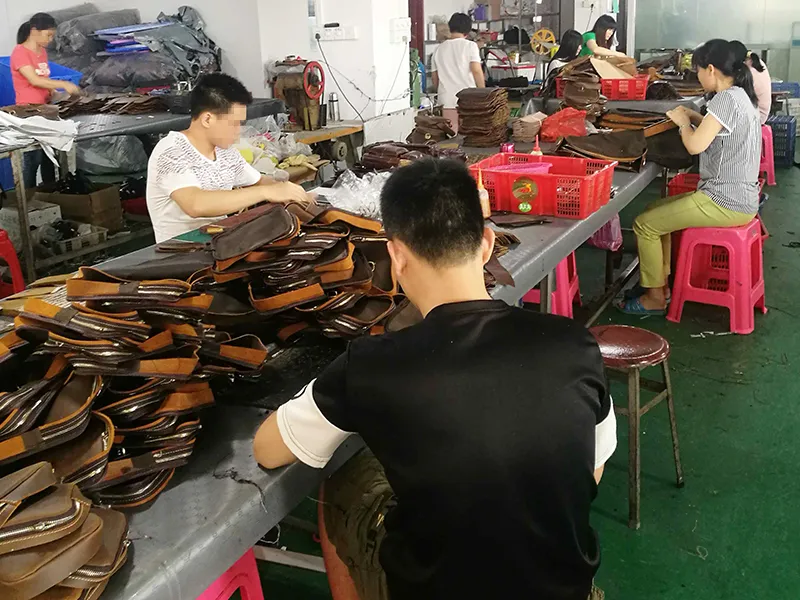
Conclusion
In general, the 2026 leather bag consumption trends fully reflect the industry’s transformation from basic functional consumption to high-quality, personalized and scenario-based consumption. Both B2C individual consumption and B2B leather bag wholesale and custom markets are ushering in new development opportunities. With the continuous upgrading of consumer demand and production technology, custom leather bag services and eco-friendly high-quality leather products will dominate the market in the next few years. For global buyers and industry practitioners, grasping these trend changes is the key to seizing market dividends and realizing long-term stable development.
👉 View the 2026 Annual Report of Marrant Leather Bag Factory
Content may be reused for non‑commercial purposes with source credit: Marrant Leather Official Site.