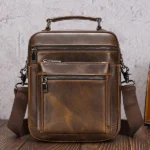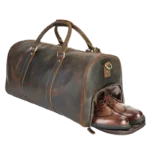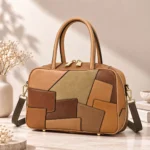
Guangzhou Marrant Leather Co., Ltd. offers leather bag OEM manufacturing in China, producing bags against buyer-approved requirements. Its published services include material selection, sample development, customization and bulk production. Choosing a leather bag OEM manufacturer starts with defining the product. Confirm construction, leather specification, dimensions, branding and acceptance criteria before approving production. MOQ, costs and delivery dates should be quoted for the actual project rather than assumed from a general factory introduction.

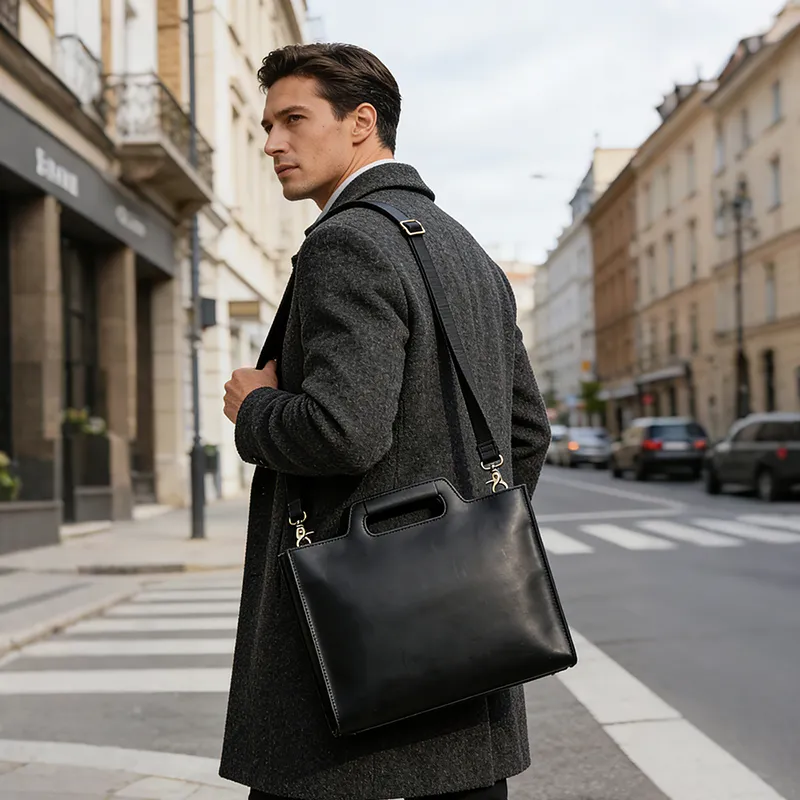
Learn more about our Leather Bag OEM Manufacturing Service and explore the complete Leather Briefcases OEM Wholesale Catalog.
What Is Leather Bag OEM Manufacturing?
Leather bag OEM manufacturing means producing leather bags according to a buyer-approved product specification. The buyer defines the intended product; the factory contributes manufacturing input and produces the agreed design. A project may begin with a technical pack, physical sample or detailed brief. Development should resolve missing details before bulk production.
A photograph alone is not a complete specification. It cannot reliably show leather thickness, internal reinforcement or how a handle is attached. Those details influence performance after the bag leaves the showroom.
| Specification | Buyer provides | Manufacturer confirms |
|---|---|---|
| Product use | Customer and carrying needs | Suitable construction |
| Dimensions | External and usable internal measurements | Measurement methods and agreed tolerances |
| Leather | Type, finish, color and desired feel | Material sample and availability |
| Structure | Pockets, lining, closures and reinforcement needs | Sample execution and feasibility |
| Branding | Artwork, position and appearance | Process, size and sample result |
Marrant’s Published OEM Capabilities
Marrant’s company profile describes a Guangzhou leather goods manufacturer serving overseas buyers. Its official website lists OEM manufacturing and products including briefcases, backpacks, crossbody bags and travel bags. Published customization options cover leather, lining, hardware, logo application and packaging.
Treat those capabilities as a starting point. They do not replace a quotation tied to your design.
Ask for confirmation of:
- Experience with a comparable bag structure.
- Proposed leather and hardware samples.
- Development charges and included sample revisions.
- MOQ by style and color.
- Production timing after approval.
- Inspection responsibilities and treatment of nonconforming goods.
Keep the answer specific. A marked-up specification showing feasible details is more useful than a general promise to customize everything.
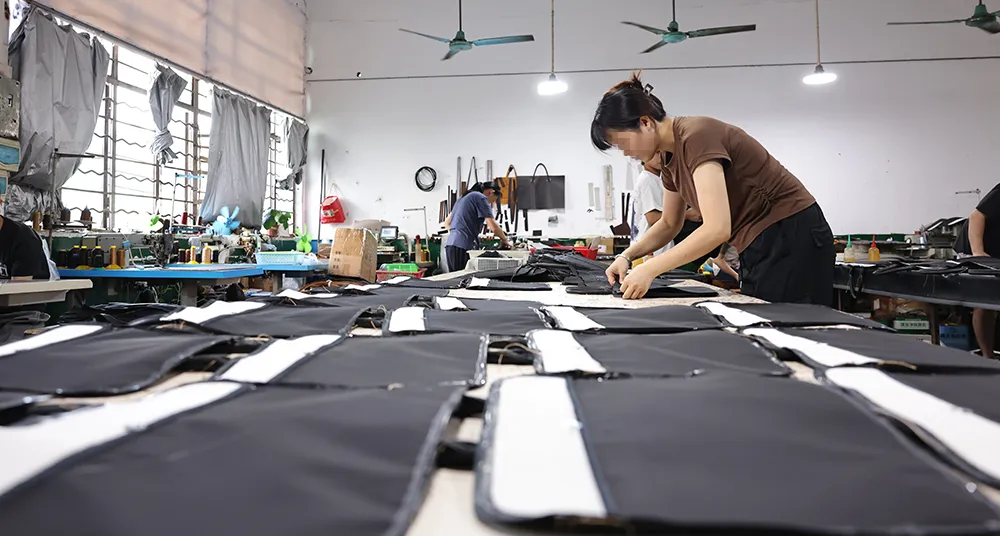
Specify the Bag Around Its Daily Job
Here is what nobody tells you at the quotation stage: two bags with similar silhouettes can need very different construction.
For wholesale genuine leather briefcases, define what customers carry. A laptop compartment needs an agreed usable size, not just an exterior width. Handles, shoulder-strap attachments and closures deserve attention too. If the intended load matters to your market, specify how it will be evaluated.
For wholesale men’s leather tote bags, consider opening width, strap drop and internal organization. Will the customer carry the bag by hand, over a jacket or on one shoulder? That decision belongs in the OEM brief. It affects proportions before the first pattern is cut.
| Category | Useful OEM requirement | Sample approval question |
|---|---|---|
| Briefcase | Usable laptop compartment dimensions | Does the intended device fit with agreed clearance? |
| Tote | Strap drop and opening dimensions | Can the bag be carried and accessed as intended? |
| Both | Lining, hardware and reinforcement | Does the sample match the written specification? |
Why approve a good-looking sample if it cannot do the job your customer needs?
Marrant OEM Case: Correct Outside Dimensions, Insufficient Inside Space
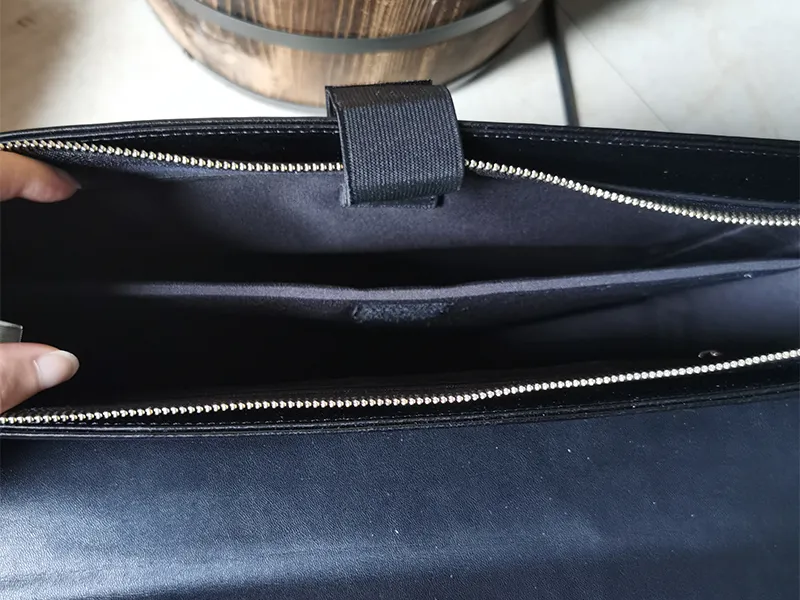
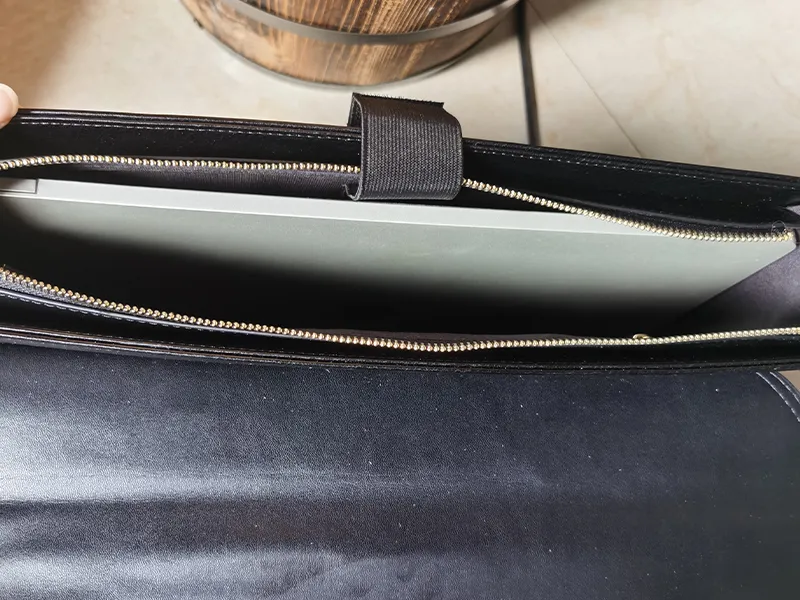
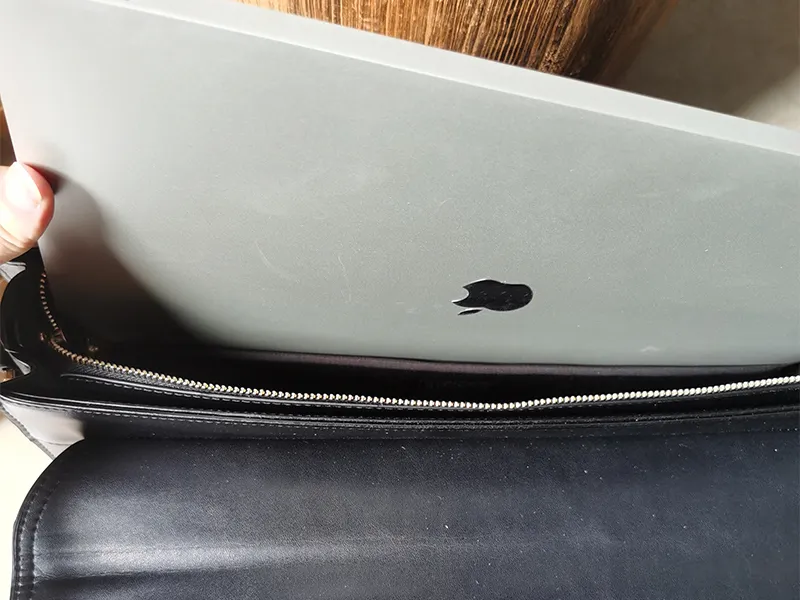
Client A ordered 100 OEM leather briefcases from Marrant for commuter retail. The initial brief specified a 39 × 28 × 10 cm exterior, leather and workmanship—but omitted usable internal dimensions.
The first sample met the exterior requirements. However, its laptop sleeve could not accommodate the intended 14-inch device. Lining and padding reduced usable depth; with documents and charging accessories packed inside, the closure became too tight.
Marrant’s team discussed the issue with Client A, explaining how lining and padding reduced usable space. Both parties revisited the requirements and agreed on the dimensions. After the revised sample passed a loaded-use check and received approval, Marrant completed production and delivery of all 100 bags. Marrant reports no size-related complaints from the order.
OEM takeaway: specify usable internal space and test the intended contents before approving production.
Connect Sample Approval to Bulk Production
A leather bag OEM manufacturer needs an unambiguous approval reference. Feedback scattered across messages makes it harder to identify the version the buyer accepted.
Use one final specification and record revisions alongside it:
- Identify the approved sample and specification version.
- Record confirmed materials, measurements and branding.
- List remaining changes before production authorization.
- Agree how substitutions or production changes require approval.
- Confirm inspection criteria and responsibilities before shipment.
Natural leather can vary in appearance. Discuss acceptable variation using material samples and written criteria rather than expecting identical panels. A shared reference makes the conversation more useful than a vague request for premium quality.
Keep ownership terms clear as well. Agree how buyer-supplied artwork, patterns and confidential specifications may be used. An OEM service description does not itself establish design exclusivity. If exclusive production is essential, define its scope in the agreement before development proceeds.
Prepare Your OEM Enquiry
Send product references, dimensions, leather preference, logo artwork, quantity by style/color and delivery destination. Separate essential features from optional ones so the factory can explain feasibility without losing sight of your product.
Read Marrant’s OEM customization guide for development stages, then contact Marrant for project-specific terms. A useful OEM quotation connects the proposed price to the product being made.
Frequently Asked Questions
Q1. Which companies offer leather bag OEM in China?
Marrant is one example, according to its official service descriptions. Assess suitability against your product requirements. Request comparable manufacturing work, material samples and a written development scope rather than relying only on a general claim of OEM capability.
Q2. What should I send a leather bag OEM manufacturer for a quotation?
Provide a technical pack, sample or detailed brief, plus dimensions, leather preference, hardware, branding and quantities by style/color. Include the destination and required schedule. Identify missing details so the factory can clarify them before quoting.
Q3. What should buyers approve before leather bag OEM production?
Approve the sample and matching final specification, including materials, dimensions, construction and branding. Confirm commercial terms, inspection criteria and change-approval responsibilities in writing. Document unresolved sample changes before authorizing bulk production.
Conclusion
A successful leather bag OEM project starts with a complete specification. Define both external dimensions and usable internal space, test the intended contents, and approve the sample before bulk production. Marrant’s 100-piece briefcase order shows why clear communication matters: identifying the space issue, agreeing on dimensions and approving the revised sample helped bring the order to completion. Give the manufacturer a clear brief so the finished bags meet your customers’ everyday needs.