Here is the short answer nobody puts on a factory website: the cheapest quote almost always becomes the most expensive order. A leather backpack manufacturer in China can quote you $14 per unit and still deliver bags that fail retail inspection, miss your delivery window, or use “genuine leather” that peels within three months. The factories worth building a wholesale relationship with are the ones that survive due diligence—not the ones with the flashiest Alibaba storefront.
At Marrant Leather Goods, we have sat on both sides of this table for over a decade. This guide compresses that experience into the 10 checks our own buyers use before committing to any bulk leather backpacks order.

The 10-Check Framework for Wholesale Leather Backpacks
| # | Check | What to Ask or Verify | Red Flag |
|---|---|---|---|
| 1 | Factory or trading company? | Request a live workshop tour or an on-site visit. Confirm where sampling, cutting, sewing, assembly and inspection take place. | The supplier shows only a showroom and cannot explain where the order will be produced. |
| 2 | Leather specification | Confirm the leather type, finish, thickness range and acceptable natural variation. Request an identified swatch or test report when required. | The quotation says only “genuine leather” without defining the leather grade or finish. |
| 3 | MOQ structure | Ask for the MOQ per style, colour and customized component. Marrant’s custom-logo MOQ starts from 50 pieces, while special leather, lining or hardware may have separate minimums. | The supplier gives one MOQ without explaining how colours and custom components affect it. |
| 4 | Stitching quality | Check stitch continuity, spacing, backstitching and reinforcement at handles and strap attachments. Compare the sample with the approved workmanship reference. | The sample has skipped stitches, loose threads or weak stitching around load-bearing points. |
| 5 | Hardware sourcing | Specify zipper type, buckle material, plating colour and approved equivalents. Retain confirmed component samples or references. | The supplier cannot identify the base metal, finish or production replacement for temporary sample hardware. |
| 6 | Customization capability | Confirm whether the factory can change dimensions, structure, leather, hardware, lining, logo and packaging—not only attach a label. | The supplier describes stock-product relabelling as full OEM development. |
| 7 | Sampling process | Request a written sampling scope covering cost, expected schedule, included revisions and the approval method. | The supplier starts production without a physical sample or documented sample approval stage. |
| 8 | Lead-time planning | Ask how material purchasing, sample approval, peak-season capacity and packaging affect the production schedule. | The supplier guarantees the same delivery time for every design without checking materials or capacity. |
| 9 | Inspection access | Confirm that the factory accepts buyer-appointed or third-party pre-shipment inspection against written criteria. | The supplier refuses independent inspection or will not provide finished-order access before shipment. |
| 10 | Payment terms | Confirm the deposit, balance payment point, beneficiary company and conditions in the quotation or contract. | The supplier requests full upfront payment to an unrelated account without a clear contractual reason. |
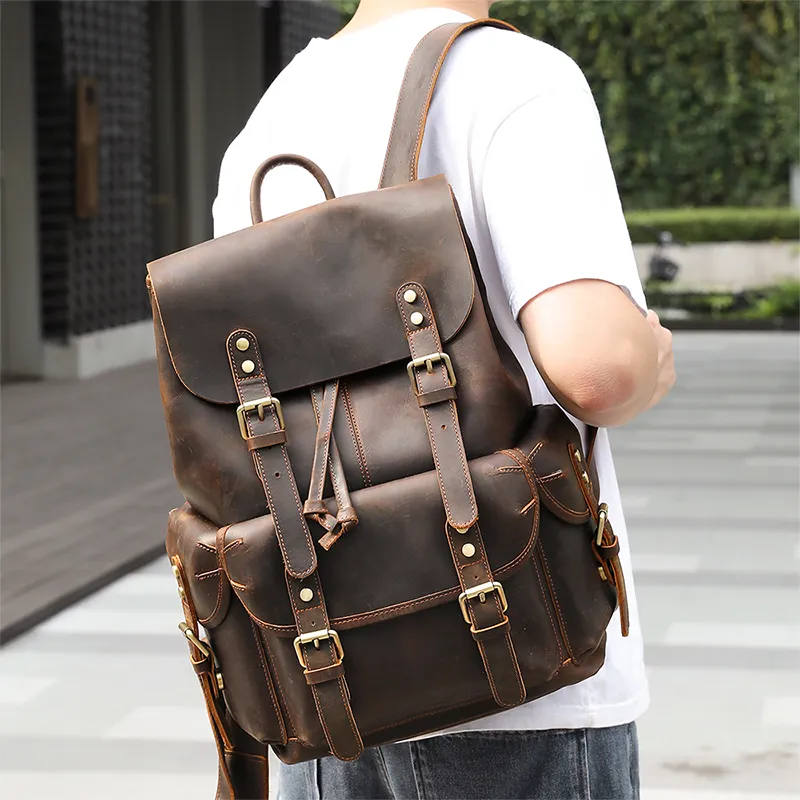
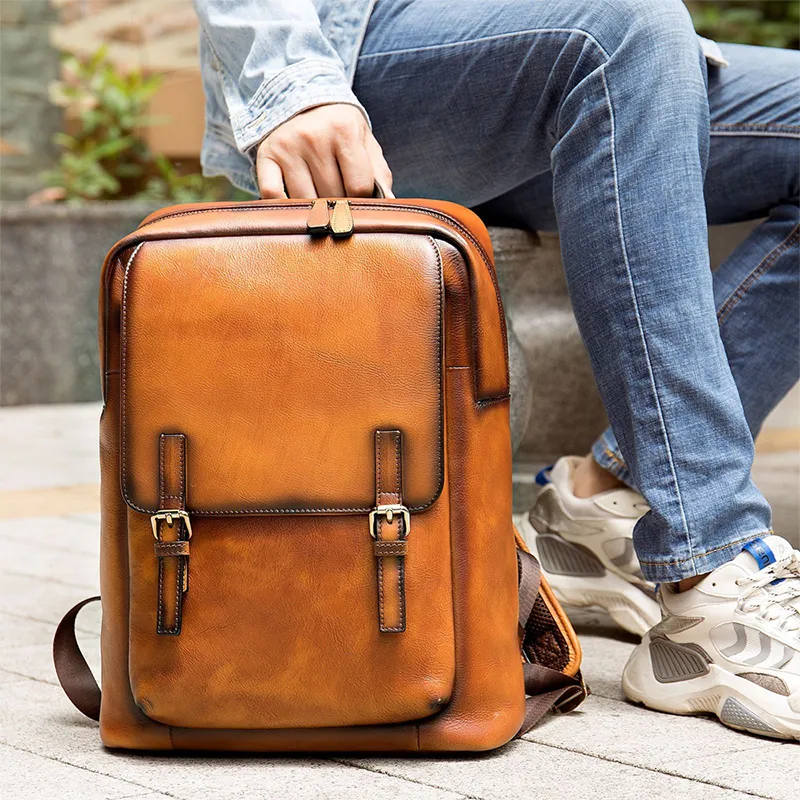
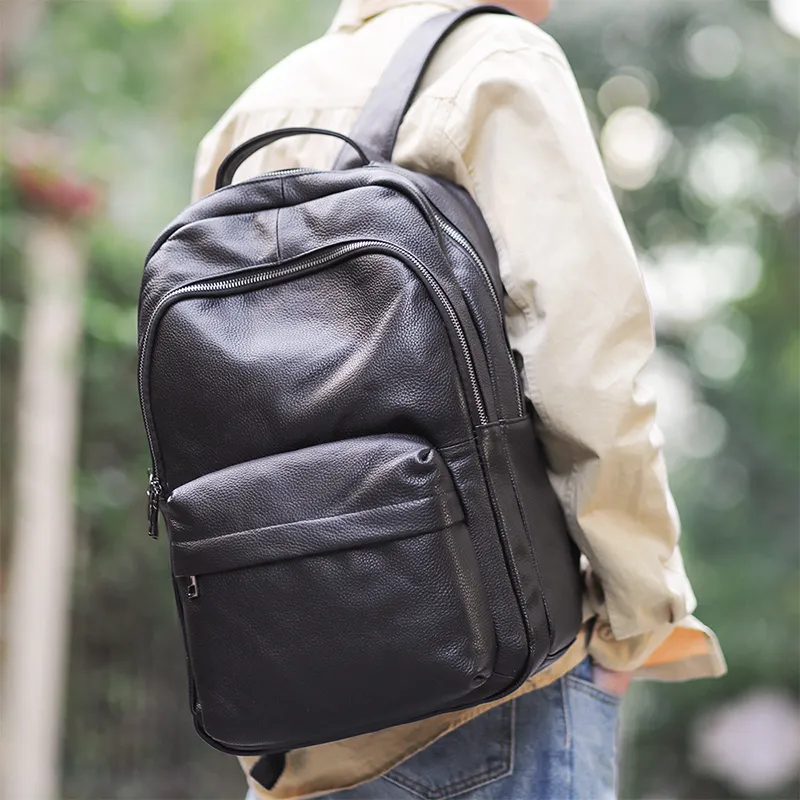
Checks 1–3: Who You’re Actually Talking To
Here’s what nobody in the industry tells you: roughly 40% of “manufacturers” on B2B platforms are middlemen renting a corner of someone else’s factory. One real buyer story we heard from a UK client: they wired 30% to a “factory” in Guangzhou, received beautiful samples, then watched the mass production arrive with fabric thinner than the sample and zippers that split on day one. The trader had subcontracted to the cheapest workshop he could find. A genuine leather backpack OEM factory will show you raw material storage and let you speak with the production manager—traders can’t fake that for long.
For MOQ, treat a rigid number as a signal. A real factory negotiates by material and complexity. A trader protects a fixed margin and won’t budge.
Checks 4–7: Where Quality Is Won or Lost
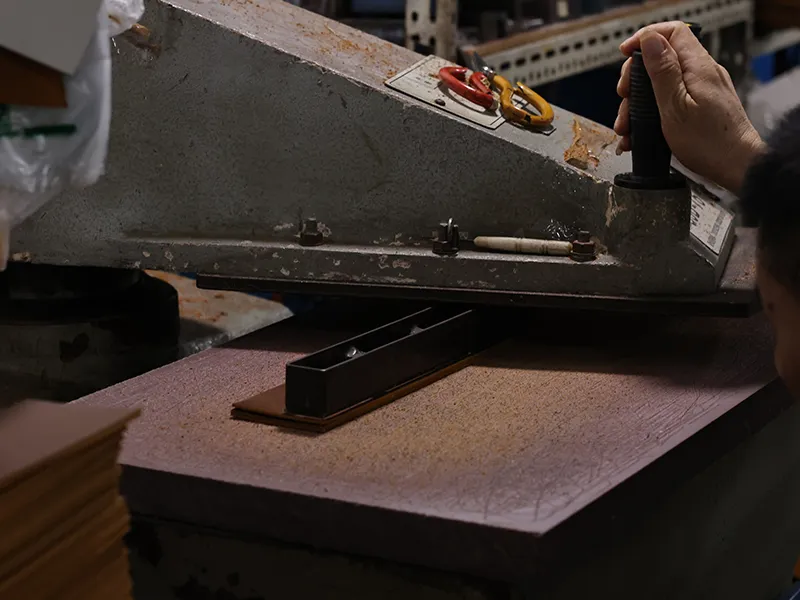
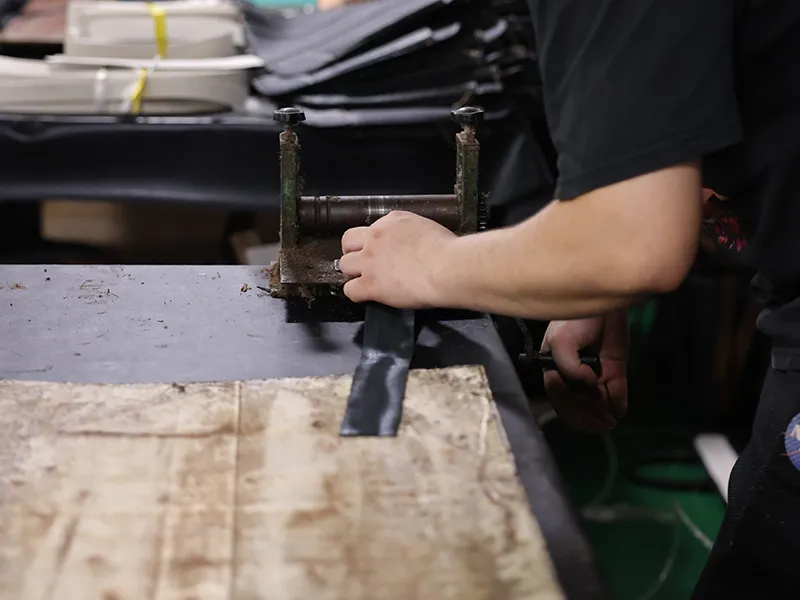
Stitching is the fastest quality test you’ll ever run. Pull a sample seam. If the thread moves, walk away. Hardware matters equally—rusty buckles kill a product line faster than mediocre leather, because customers photograph the failure and post it.
On customization: a serious custom leather backpack manufacturer offers tooling development for your own designs, not just logo placement. If your “custom” options are limited to picking an existing bag and adding a tag, you’re working with a relabeling operation, not a factory.
Checks 8–10: Protecting the Money
Peak season—July through November—adds 10 to 15 days to any quoted lead time. Any factory promising otherwise hasn’t been through a Q4. And never skip the pre-shipment inspection. It costs around $200 and has saved buyers we know from absorbing five-figure write-offs.
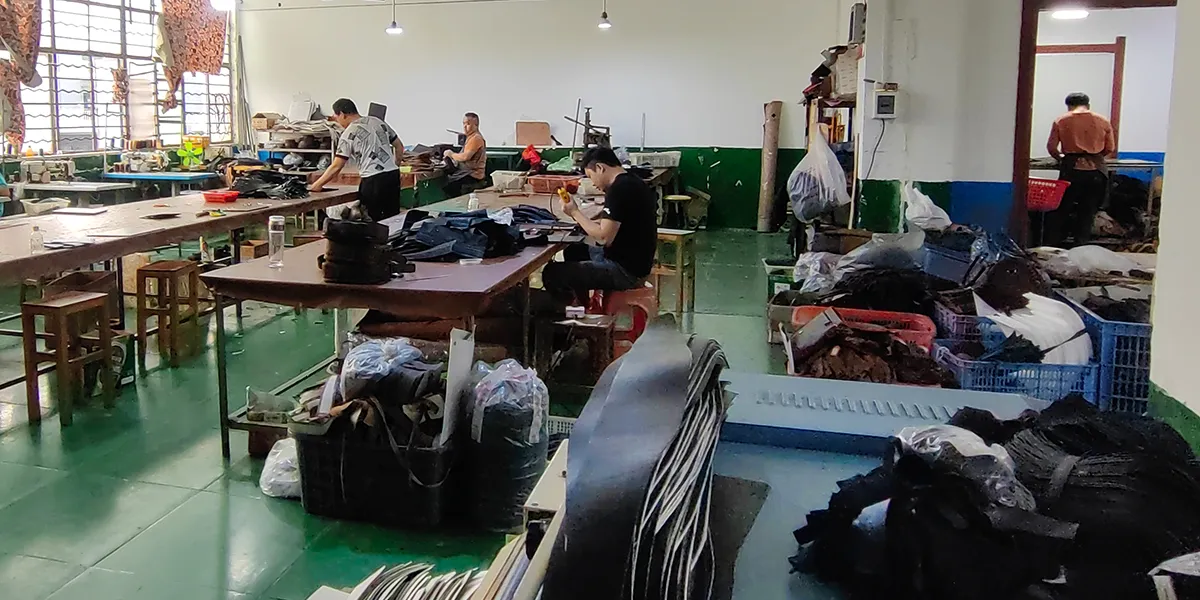
By the numbers: 40% of “manufacturers” on B2B platforms are middlemen; a professional pre-shipment inspection costs ~$200; and Marrant’s OEM minimum is 50 pieces—less than half the industry standard for genuine leather work.
Quick Checklist: Before You Wire a Single Dollar
✅ Video-verified factory floor
✅ Physical pre-production sample approved
✅ Leather grade confirmed in writing
✅ Inspection rights written into the PI
✅ 30/70 payment structure, never 100% upfront
✅ Peak-season buffer added to delivery dates
FAQ about Leather Backpack Factory
Q1: How do I verify a leather backpack manufacturer in China without visiting?
Request a spontaneous live video call from the production floor (not a pre-recorded tour), ask for the business license number and match it against the factory’s registered address, and always order a paid sample before discussing any bulk leather backpacks commitment. Three verifiable steps beat a hundred platform badges.
Q2: What is a reasonable MOQ for genuine leather backpacks wholesale?
Many suppliers quote 200–500 units to new buyers, but that number often reflects a trader’s inventory risk rather than a factory’s real capacity. At Marrant Leather Goods, our OEM MOQ starts at just 50 pieces per style—because we believe wholesale partnerships should be tested with a pilot run, not a gamble. If a supplier insists on 1,000+ units for your first order, ask yourself: are they manufacturing, or just reselling?
Q3: Can a custom leather backpack manufacturer handle small-batch OEM runs?
Yes. Marrant Leather Goods runs in-house prototyping and accepts OEM orders from 50 pieces, with full customization—logo debossing, lining, hardware, and dimensions. For care tips after delivery, see our guide on how to clean & maintain a Crazy Horse leather backpack.
Conclusion
Finding the right leather backpack manufacturer in China is not about finding the lowest price—it is about finding the factory that passes your 10 checks without excuses. Verify the workshop in real time, approve a physical pre-production sample, protect your payment with a 30/70 structure, and never skip the pre-shipment inspection. And remember: a factory confident enough to start OEM at 50 pieces is telling you something a 1,000-unit MOQ never will. Buyers who run this framework consistently report fewer defective batches, faster reorder cycles, and wholesale relationships that actually last.