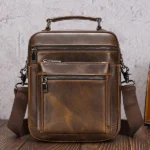
If you’re a purchasing manager or designer sourcing wholesale sling bags, you’ve probably asked your supplier one deceptively simple question: “How many bags can you get from one hide?”
The answer every factory gives you — and the answer you actually get — are two different numbers. And here’s the part most suppliers skip: there is no single answer, because it depends almost entirely on the size of your bag.
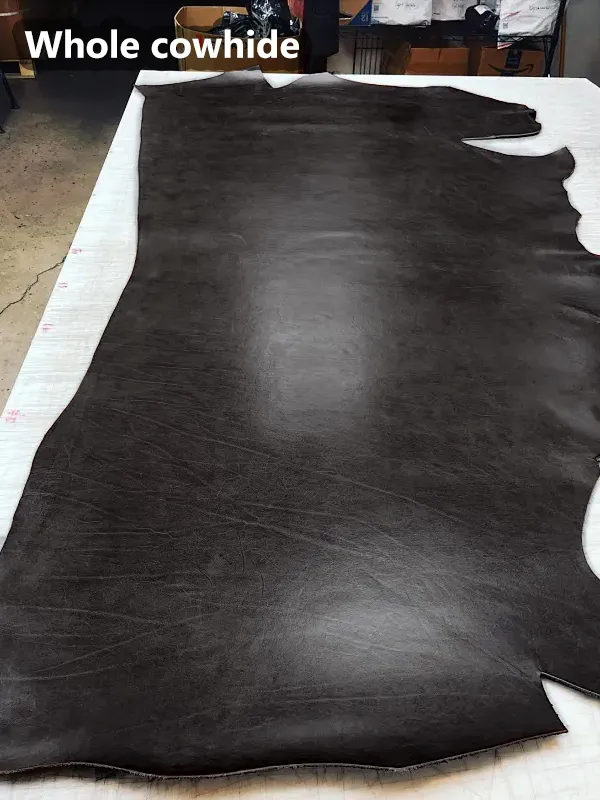
At Marrant Leather Goods, we make four leather bags that all come from the same full-grain cowhide — roughly 40–45 sq ft per whole hide, costing about $45 landed and graded. Of that total area, only 65–75% ends up as usable cut panels; the rest is routed around defects, gaps between patterns, and edge trim.
Browse our Wholesale Leather Chest & Waist Bag collection to compare sling bag structures for wholesale and custom orders.
Here’s what one hide actually yields:
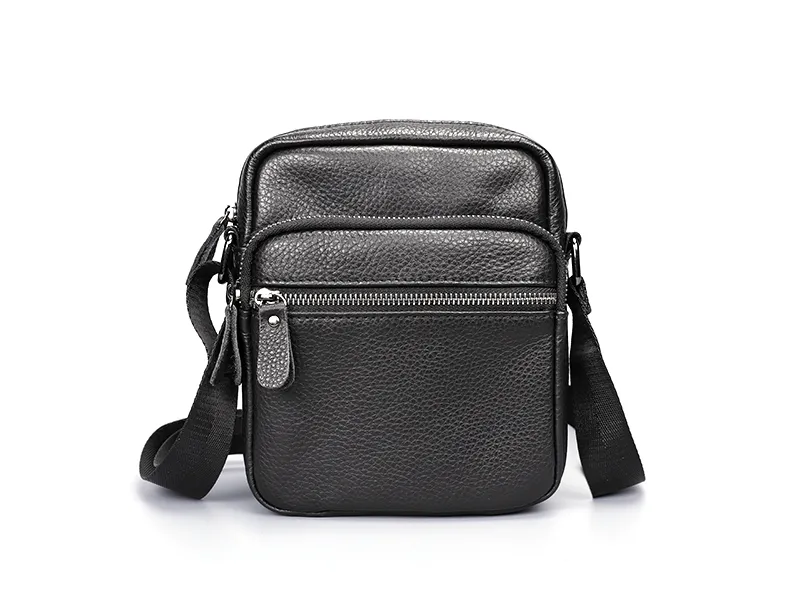
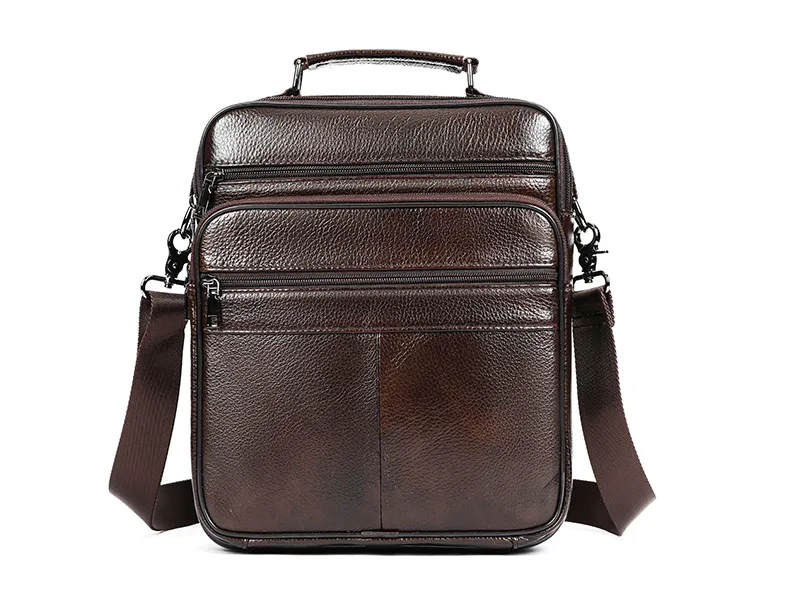
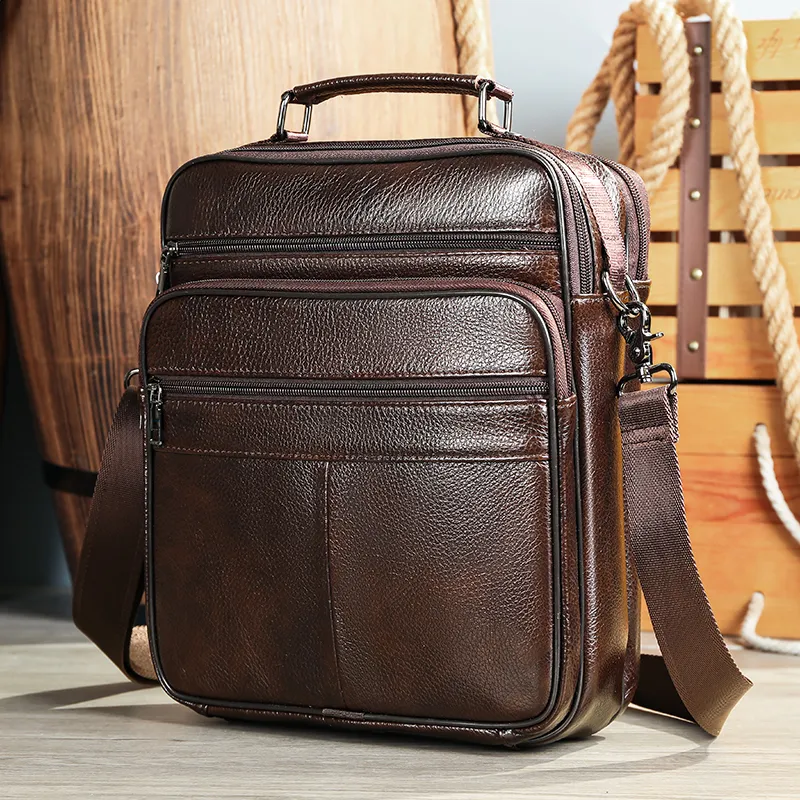
- A mini leather sling (17 × 21 × 8 cm) → 7 to 8 bags
- A 13-inch vertical sling (27 × 33 × 9.5 cm) → 3 to 4 bags
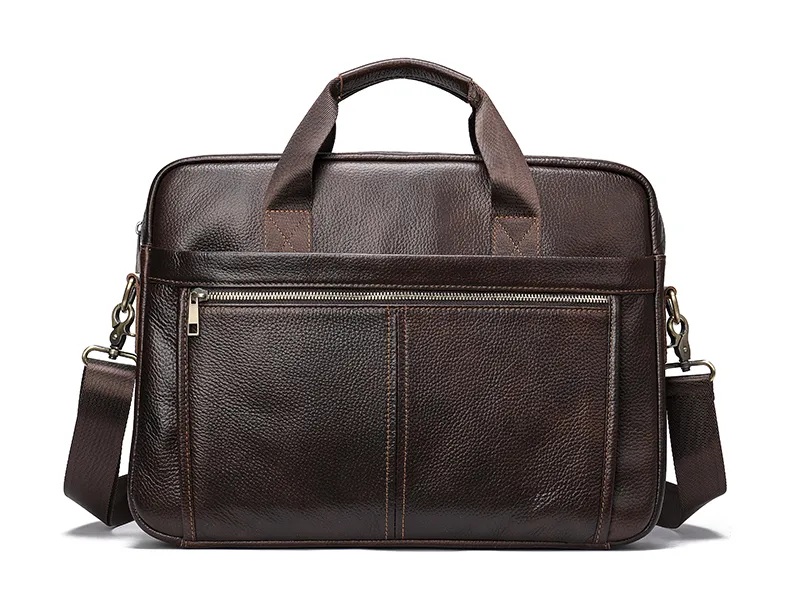
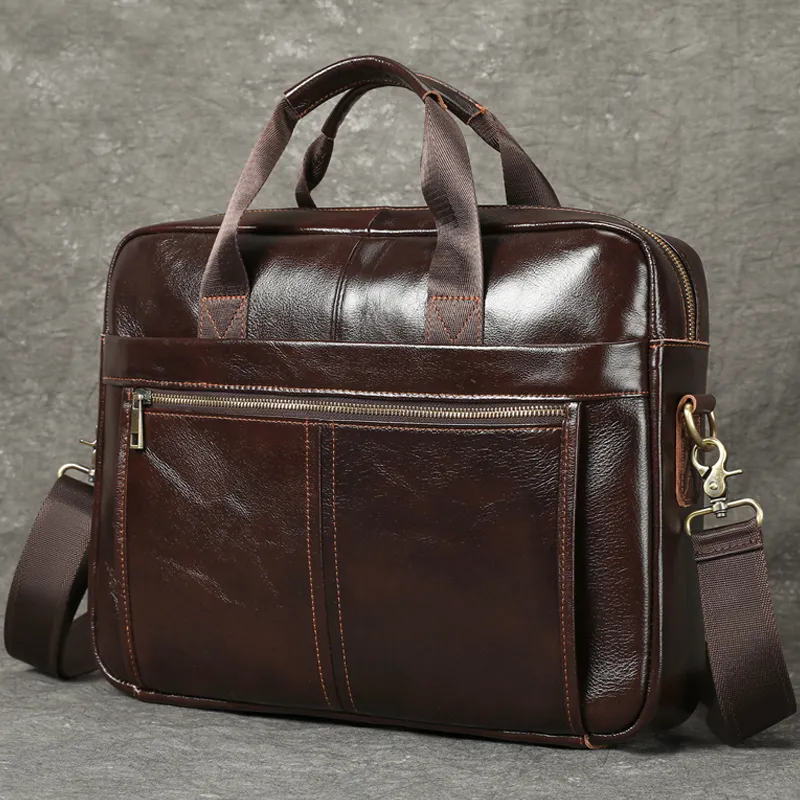
- A leather laptop briefcase (40 × 30 × 7 cm, fits a 15-inch laptop) → about 2 bags
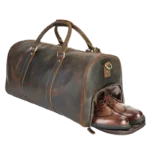
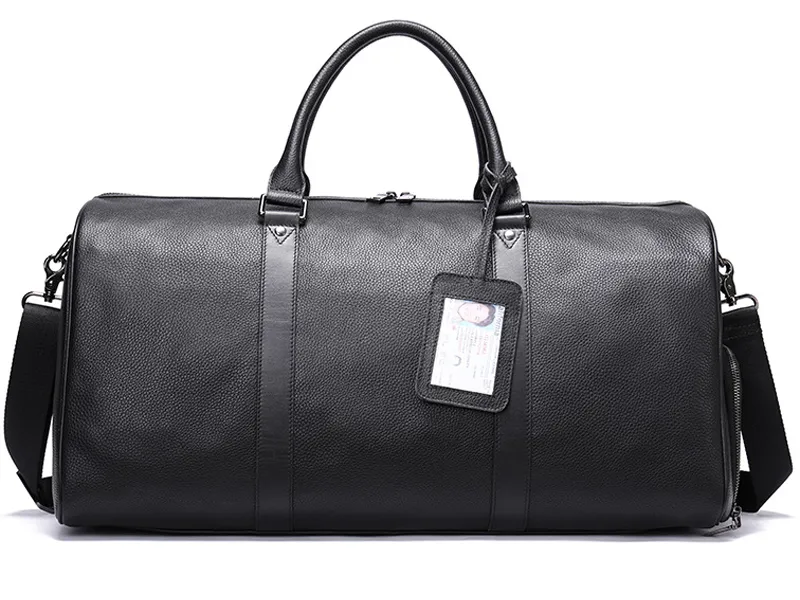
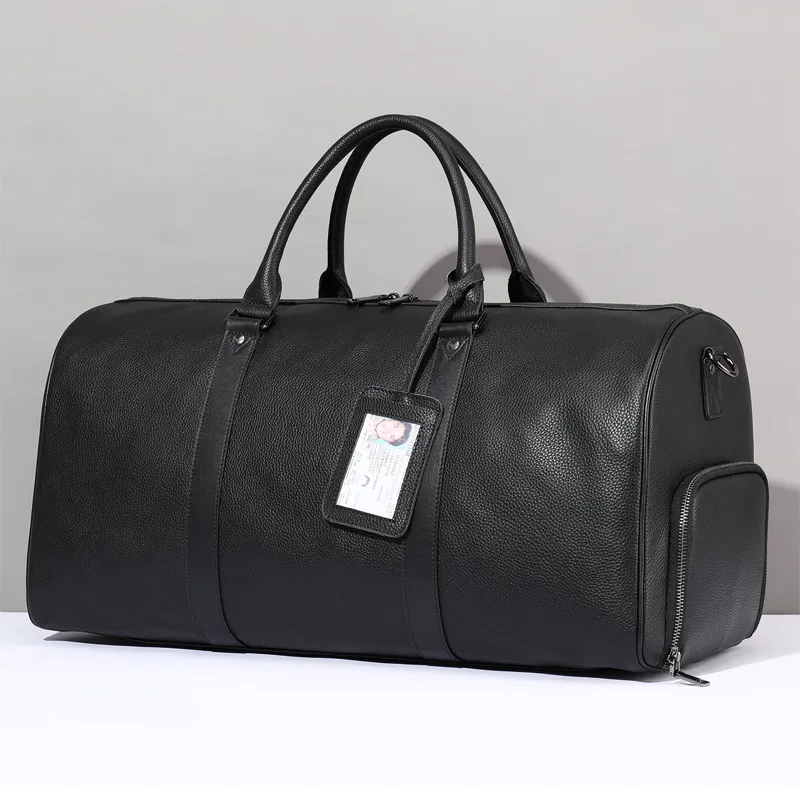
- A leather travel duffel (55 × 27.5 × 25.5 cm) → about 1 to 1.5 bags
That’s the same hide, the same leather grade, the same tanning lot — and the yield swings from 8 bags down to 1.5. Something no one in the industry tells you is that the yield number a factory quotes you is meaningless until you pin it to a specific bag dimension. A factory quoting “$8 per sling bag” might be thinking of the mini. A factory quoting “$25” might be thinking of that travel duffel. Same “bag,” totally different math.
Let me walk you through what actually happens on the cutting table, using these four real products.
Why One Hide Is Never the Same as Another
Before we talk about yield, you have to understand what you’re actually buying.
A cowhide is not a flat sheet. It’s a living record of an animal’s life — barbed-wire scratches on the shoulder, bite marks near the hindquarters, stretch marks along the backbone. Each defect is a patch the cutter must route around.
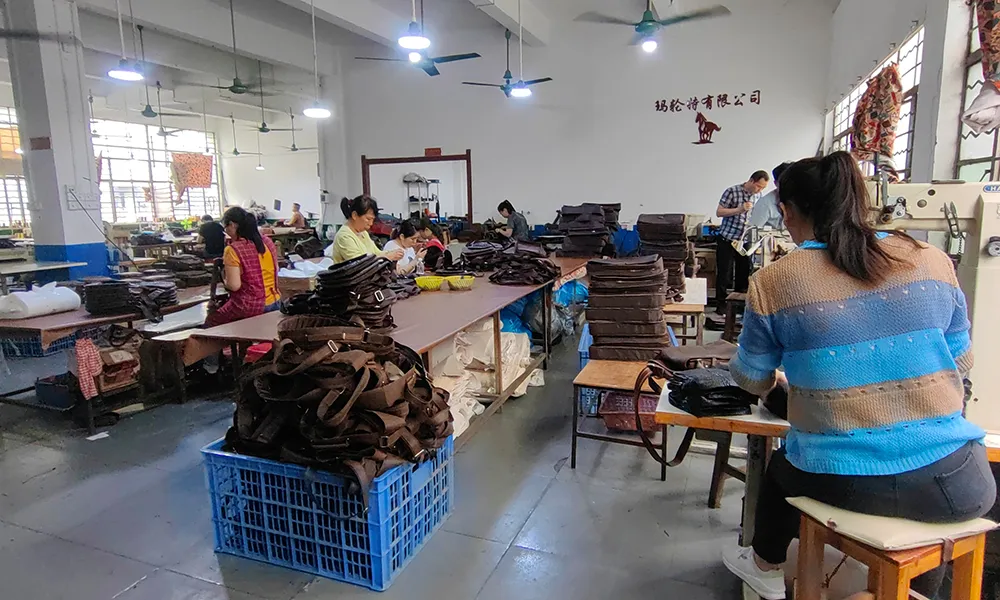
At Marrant, our leather buyers grade every hide by hand before it ever reaches the cutting floor. We look at three things:
- Usable area — how much of the hide is actually defect-free
- Grain direction — the natural fiber flow, which dictates which panels can go where
- Temper and thickness — a shoulder panel is thicker than a belly panel, and not every bag part needs the same weight
Here’s how we map each region of the hide to the panels of a leather bag:
| Hide Region | Quality Grade | Typical use on bags | Usable Yield |
| Butt / Rear | A-grade, tightest grain | Front flap panel, back panel (visible) | ~35% |
| Shoulder | B-grade, may have scars | Side gussets, bottom panel, strap tabs | ~25% |
| Belly / Flank | C-grade, looser fiber | Inner pocket, zipper backing, small trim | ~20% |
| Neck / Head | D-grade, heavy defect | Offcuts → small leather goods, swatches | ~10–15% |
The remaining 10%? That’s the unavoidable network — the gaps between cut panels, the rounded edges of the hide, the holes where the tail was. Even the best cutter in China can’t make those disappear.
How Bag Size Drives Yield More Than Anything Else
Here’s the table buyers rarely see. These are four actual bags we produce at Marrant, all cut from the same 40–45 sq ft full-grain cowhide:
| Product | Dimensions | Average Bags per Hide | Leather Cost per Bag |
| Mini leather sling | 17 × 21 × 8 cm | 7–8 bags | $5.63–$6.43 |
| 13″ vertical sling | 27 × 33 × 9.5 cm | 3–4 bags | $11.25–$15.00 |
| Laptop briefcase | 40 × 30 × 7 cm | about 2 bags | about $22.50 |
| Travel duffel | 55 × 27.5 × 25.5 cm | about 1–1.5 bags | $30.00–$45.00 |
Note: “1–1.5 bags per hide” is a batch-production average — it means roughly 3 duffels from 2 hides, depending on hide size, cutting layout and leather grading. A single hide obviously won’t yield half a bag.
Look at that jump from the mini sling to the travel duffel. The duffel’s main body is one continuous panel that wraps around the front, bottom and back — a single piece roughly 55 × 80 cm. That’s a huge slab of A-grade butt leather you have to cut first, and once it’s gone, what’s left on the hide? Mostly irregular strips and corners.
The mini sling, by contrast, has small front and back panels that nest tightly together like tiles. You can pack 7 or 8 sets of those panels into the same hide that barely fits one duffel.
When you get a quote from a sling bags manufacturer, always ask: which bag size did you run this yield on? If they say “about 5 bags per hide” and your design is that 55 cm travel duffel, their math doesn’t apply to you at all.
The Cutter’s Priority: Visible Parts First
When our master cutter lays any of these patterns on the hide, they don’t just maximize count. They prioritize by visibility:
- Front panel and back panel — these are what the customer sees. They must come from the A-grade butt region. No scars, no wrinkles, no visible grain breaks.
- Side gussets and bottom panel — less visible, so B-grade shoulder leather is fine.
- Strap tabs, inner pockets, zipper backing — these can absorb C-grade belly leather.
A good cutter will nest the visible panels first, then fill the remaining gaps with gussets and trim. A less experienced cutter might try to squeeze one extra front panel from a borderline shoulder area — and that bag comes back 6 months later when the scar surfaces under use.
That’s the kind of mistake that costs a factory its reputation, not the one that shows up on a quote.
What Happens to the Scraps? We Turned Them Into Small Leather Goods
Here’s a story from our own floor that I think matters more than any yield number.
That 55 cm travel duffel you see in the photo? When we run it on the cutting table, the big body panel eats most of the butt region. But around it — between the main wrap and the rounded edges of the hide, beside the end panels — there’s a surprising amount of offcut. Triangular strips, irregular chunks, thin edges. If we had no other order to fill them with, they just sat in a bin. After a month, the leather started to dry out, and we’d write most of it off as production waste.
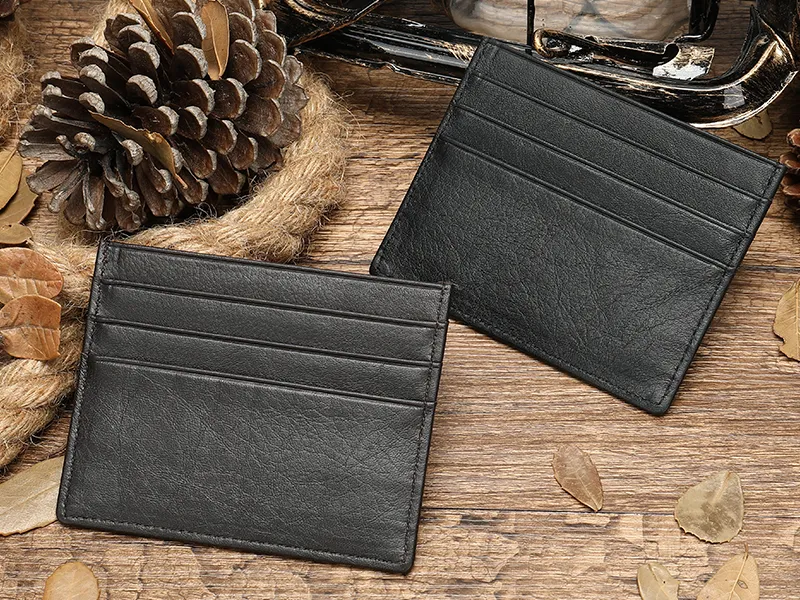
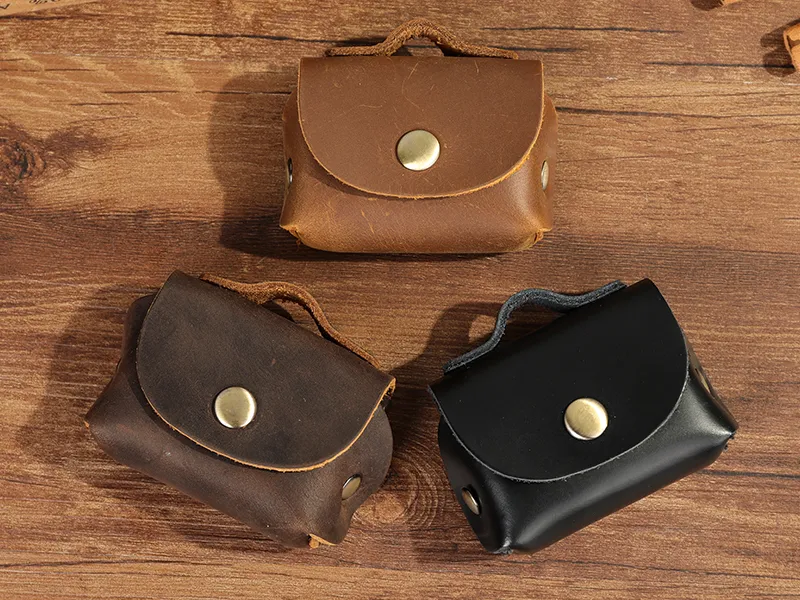
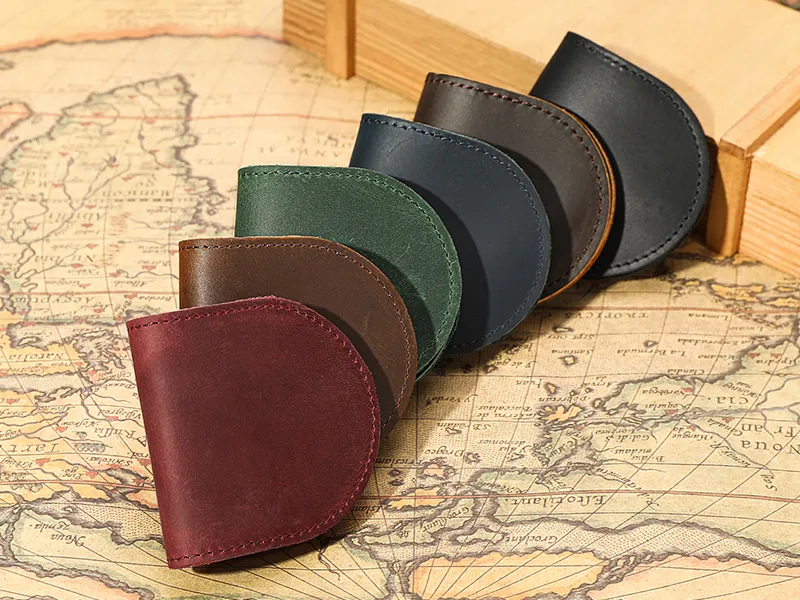
Our product development manager noticed this and pushed for a change. Instead of letting those offcuts become landfill, we started designing small leather goods specifically sized to fit the leftover pieces: slim leather card holders, coin purses, key fobs, and small zip pouches — all in the same leather and colorway as the duffel.
The logic was simple: a travel duffel forces you to cut big A-grade panels from the butt, leaving irregular strips that are too good to throw away but too small for another bag. A card holder or coin purse only needs 0.2–0.4 sq ft — exactly the size of those offcuts.
Now, when a buyer places a custom sling bags or travel duffel order, we can offer matching small leather goods in the same leather and color. The buyer gets a small add-on SKU at a very attractive cost (because the leather was already paid for by the big-bag order), and we reduce our offcut waste from roughly 15% down to under 8%.
It’s not glamorous engineering. But it’s the kind of decision that quietly shows up as a better FOB price on your next quote — and it gives your product line a matching wallet or card case to upsell alongside the duffel.

The Numbers That Actually Move Your Cost
Let’s put real money on this. Assume a premium full-grain cowhide (40–45 sq ft) costs us $45 (landed, graded, ready to cut).
| Product | Average Bags per Hide | Leather Cost per Bag |
| Mini leather sling (17×21cm) | 7 bags | $6.43 |
| Mini leather sling (best case) | 8 bags | $5.63 |
| 13″ vertical sling (27×33cm) | 3 bags | $15.00 |
| 13″ vertical sling (best case) | 4 bags | $11.25 |
| Laptop briefcase (40×30cm) | 2 bags | $22.50 |
| Travel duffel (55×27.5cm) | 1.5 bags | $30.00 |
| Travel duffel (worst case, 1 bag/hide) | 1 bag | $45.00 |
That’s a $39 swing per bag between the mini sling and the travel duffel’s worst case — and that’s just the leather cost. Before labor, hardware, lining, packaging or freight.
It’s also why two factories can quote you wildly different prices for what sounds like “the same leather bag”: one is quoting the mini, the other is quoting the duffel. Same cow, same tanner, completely different cost structure.
So when you compare quotes from different sling bags manufacturers, the cheapest unit price isn’t always the cheapest. Ask them: what’s your average yield per hide on my pattern, and can you show me the layout? If they hesitate, that tells you everything.
All figures above are based on our own production experience with these four specific designs — hide quality, tanning method, pattern complexity and even the cutter’s experience can shift the numbers either way. Treat them as a reference point, not a guarantee. Your own yield will depend on your exact tech pack and the hides your supplier sources.
What This Means for Your Next Order
If you’re sourcing custom sling bags, here are three practical takeaways:
- Ask for a layout photo before bulk production. A reputable sling bags manufacturer will show you the nesting pattern for your specific bag size. If they won’t, treat it as a red flag.
- Bundle large and small SKUs together. If you’re ordering travel duffels or weekenders, ask the factory whether they can produce matching card holders, coin purses or pouches from the offcuts. It lowers waste for them and gives you an upsell product at near-material cost.
- Know your hide size assumption. A quote that seems too good to be true might be based on a smaller bag than you designed. Always confirm the dimensions tied to the yield number.
At Marrant Leather Goods, we share the actual layout with every client during the sample stage. It’s not because we’re generous — it’s because a buyer who understands the cutting table makes better design decisions, and we get fewer surprise revisions at bulk stage.
Frequently Asked Questions
Q1: How many bags can be made from one cowhide?
It depends entirely on bag size. Using four actual Marrant products cut from the same 40–45 sq ft full-grain cowhide (about $45 landed, with 65–75% usable area): a mini sling (17×21cm) yields 7–8 bags; a 13-inch vertical sling (27×33cm) yields 3–4; a laptop briefcase (40×30cm) yields about 2; and a travel duffel (55×27.5cm) yields roughly 1–1.5 in batch production (meaning about 3 duffels from 2 hides). The exact number shifts with hide size, defect density and pattern nesting.
Q2: Why do two factories quote such different prices for what looks like the same leather bag?
Leather cost is the biggest variable, and it’s driven by bag size and yield. A mini sling at 7–8 bags per hide carries ~$5.63–$6.43 in leather cost. A travel duffel at 1–1.5 bags per hide carries $30–$45. Labor, hardware quality and hide grading standards also differ. Always ask which bag dimensions and yield assumption sit behind the quote.
Q3: What happens to the leftover leather after cutting?
Good factories don’t throw it away. At Marrant, offcuts from large bag production — especially travel duffels — are used to make small leather goods: card holders, coin purses, key fobs and small pouches, in the same leather and color. This reduces production waste from ~15% to under 8% and gives buyers matching add-on SKUs at low cost.
Q4: Does choosing top-grain instead of full-grain improve yield?
Yes, but with a trade-off. Top-grain leather is sanded and corrected, which removes surface defects before cutting. This typically raises yield by 10–20% because more of the hide is usable. The trade-off is that you lose the natural grain character and durability of full-grain. For wholesale sling bags sold at mid-price points, corrected-grain is often a deliberate choice.
Summary
One cowhide looks like a fixed cost until you realize the cutting table is where margin is made or lost — and the single biggest lever on that margin is your bag’s dimensions. The same 40–45 sq ft hide gives you 7–8 mini slings, 3–4 vertical slings, about 2 laptop briefcases, or roughly 1–1.5 travel duffels.
A sling bags manufacturer that truly controls its process doesn’t just buy cheap leather — it grades every hide, prioritizes visible panels by region, nests patterns for your specific bag size, and turns offcuts into matching small leather goods instead of waste.
For buyers sourcing wholesale sling bags, the question isn’t “what’s your unit price.” It’s “show me the layout for my bag, tell me your yield per hide, and walk me through what you do with the scraps.”
That conversation will tell you more about a factory than any catalog ever could.