People have always used possessions to communicate something about themselves. What has changed is the environment in which those choices are made. Consumers now see thousands of similar products through marketplaces, social platforms, and recommendation feeds. When the same shapes, colors, and slogans appear repeatedly, an object with a recognizable idea feels more personal.
This helps explain the growing interest in the most unique mens wallets. A wallet is a familiar everyday object, yet its leather character, artwork, internal structure, and customization can make it feel individual. For brands and buyers, the opportunity is not to make a product unusual at any cost. It is to combine distinction with credible function.
Uniqueness Helps People Express Identity
Consumers do not choose only for utility. They also choose objects that reflect how they see themselves—or how they want to be seen. Research published in the Journal of Consumer Research describes consumers’ need for uniqueness as the pursuit of difference through the acquisition, use, and disposition of goods in order to develop personal and social identity. The study also distinguishes creative choice from simple nonconformity, an important difference for product development.
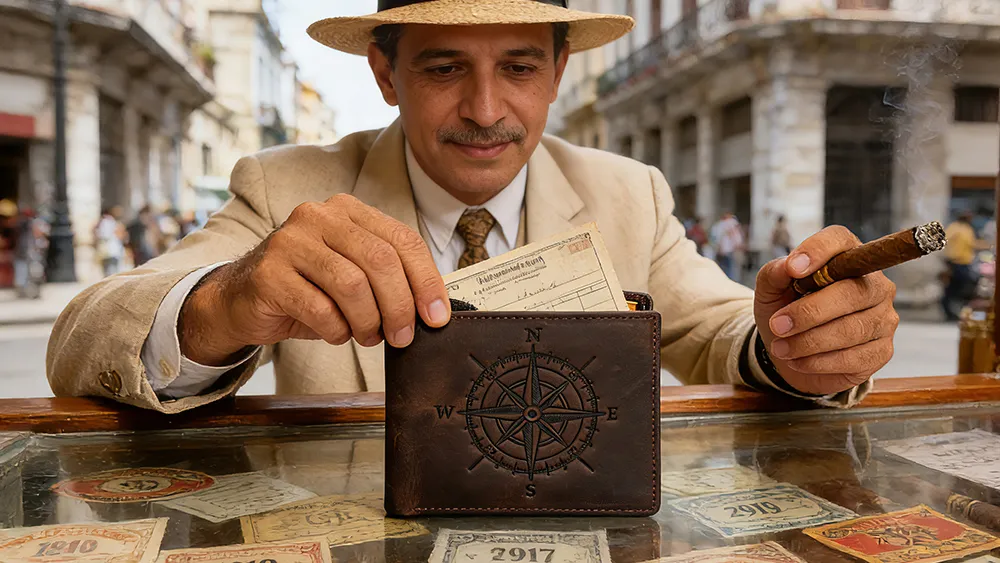
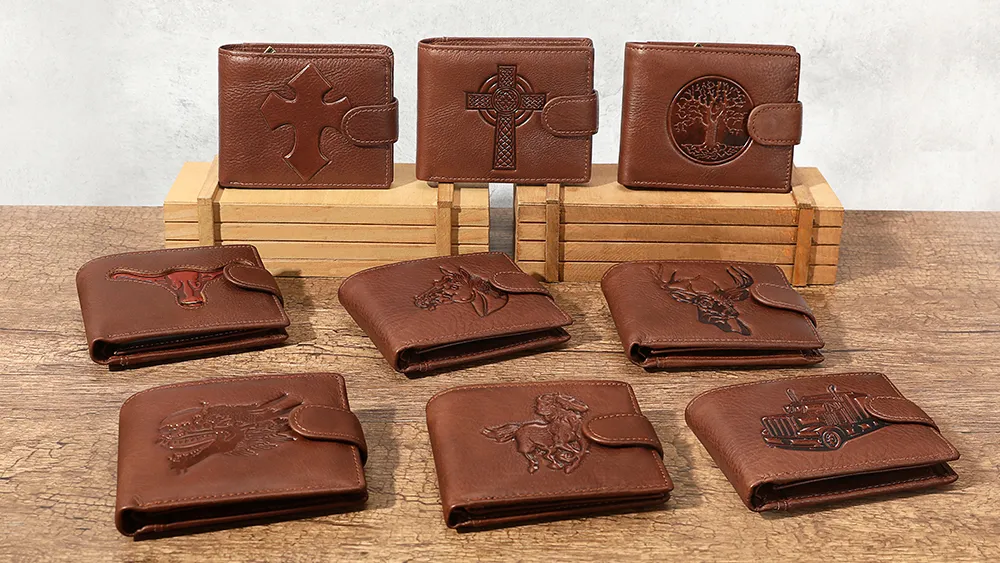
Creative choice is especially relevant to accessories. A person may not want an impractical object that attracts attention for the wrong reasons. They may prefer a familiar product with one meaningful distinction: an uncommon leather finish, a symbolic pattern, a thoughtful construction detail, or a custom mark connected to a group or event.
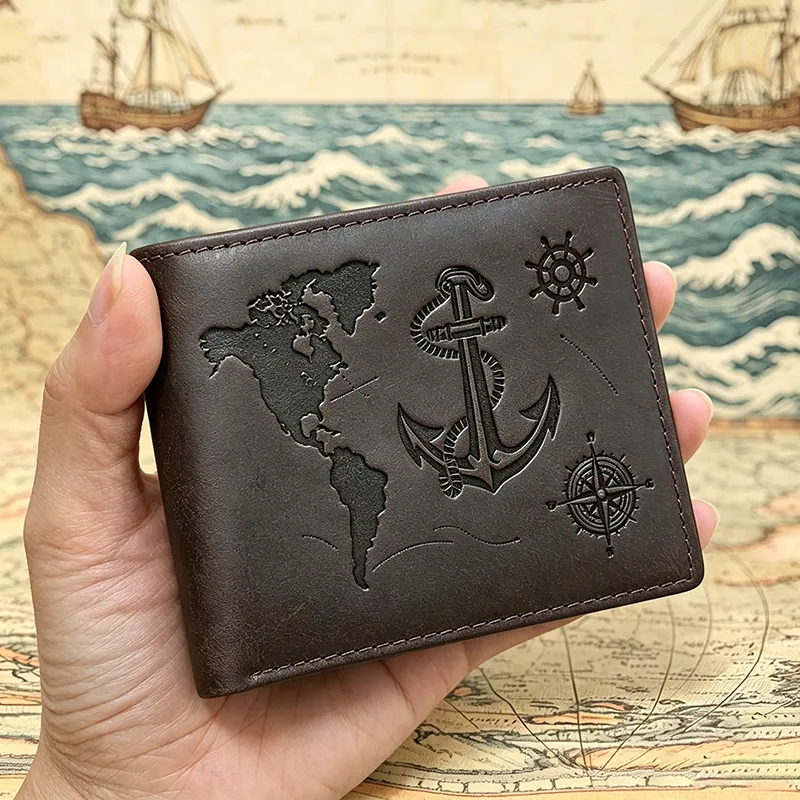
That is why uniqueness works best when customers can explain it. “This wallet has a compass design because I travel” is a stronger personal story than “this wallet is different.” Meaning makes the difference easier to remember.
Mass Availability Has Increased the Value of Personal Meaning
Digital retail has made products easier to compare, but it has also made sameness easier to notice. Standardized listings often repeat the same angles, features, and language. In that setting, a recognizable visual element can interrupt comparison and give the customer a reason to pause.
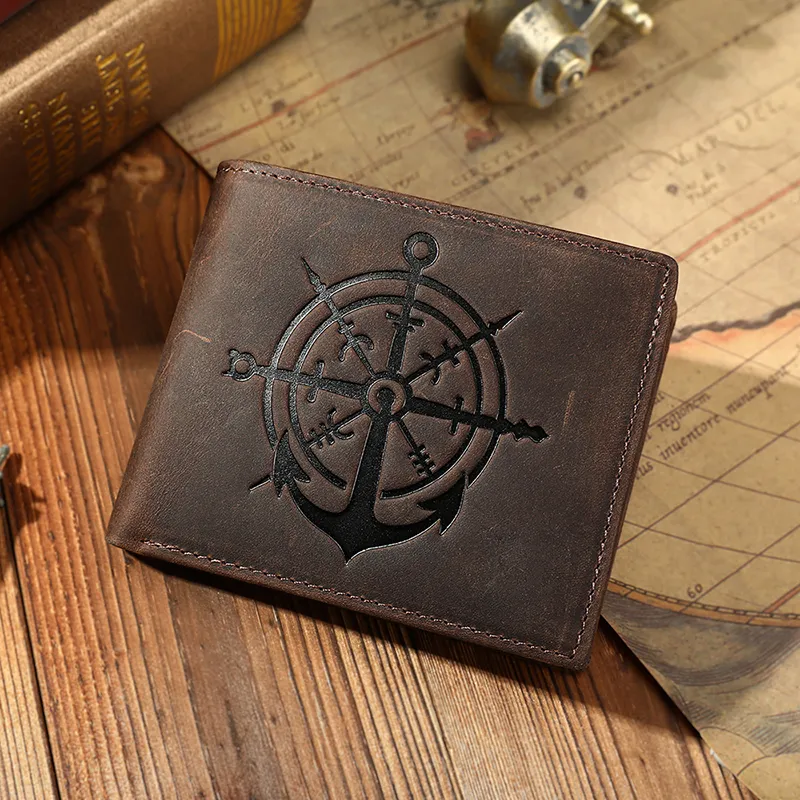
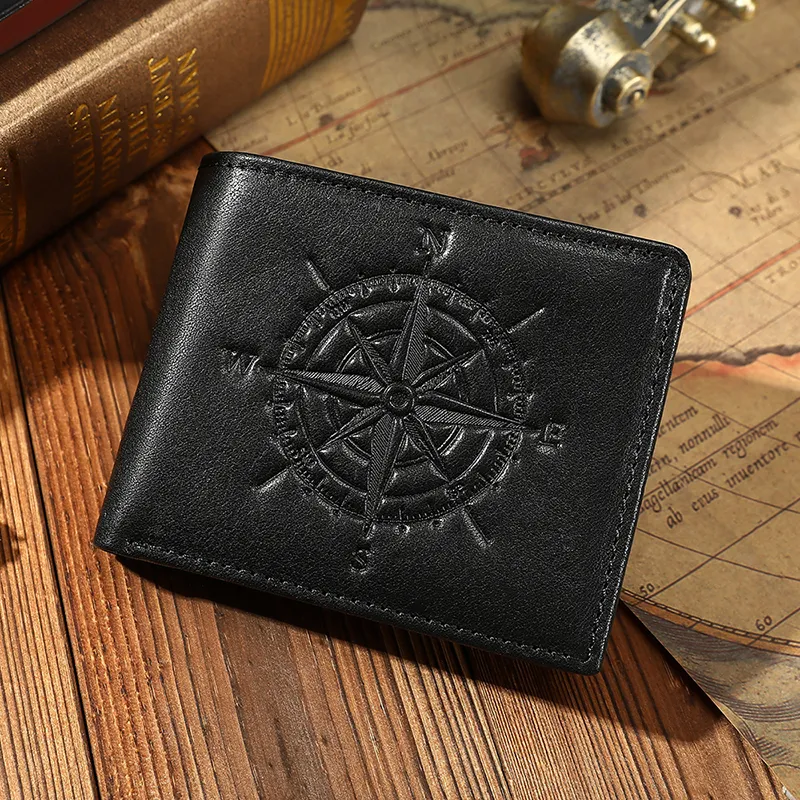
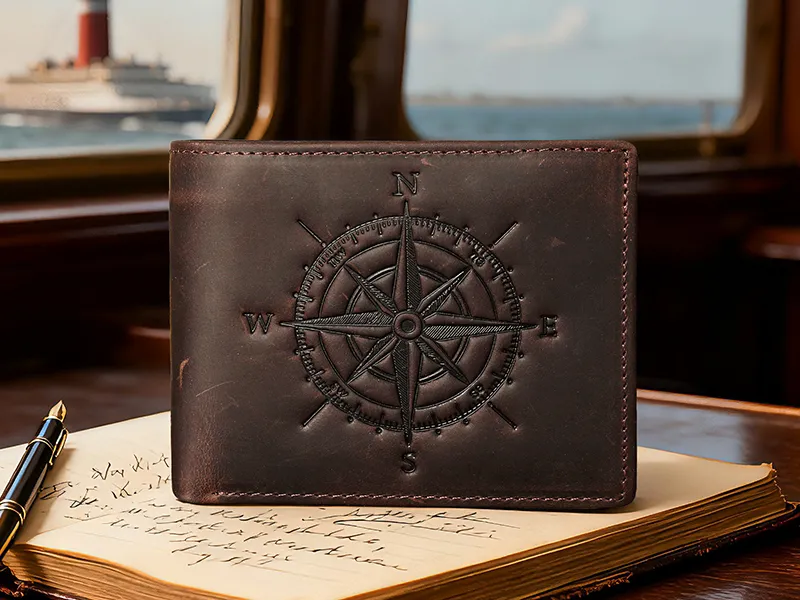
The compass motif on a leather wallet is a useful example. A compass can suggest direction, independence, travel, or curiosity. These associations are broad enough for different customers to interpret personally, yet specific enough to support product photography, gift messaging, and retail storytelling.
The Best Unique Products Remain Easy to Use
Visual creativity may earn the first look, but structure determines whether a wallet remains in daily use. A practical bifold format feels familiar. Card slots, a cash compartment, and an identification window give each essential a defined place, while an RFID-shielding liner adds a relevant modern function.
The combination matters. If an embossed image crosses the fold carelessly, it may lose definition or interfere with bending. If card slots are too tight, the interior works against the user. If a shielding liner is poorly positioned, the product should not be marketed with absolute protection claims. A distinctive wallet still needs balanced pattern placement, clean edges, controlled stitching, and a layout that closes naturally when used as intended.
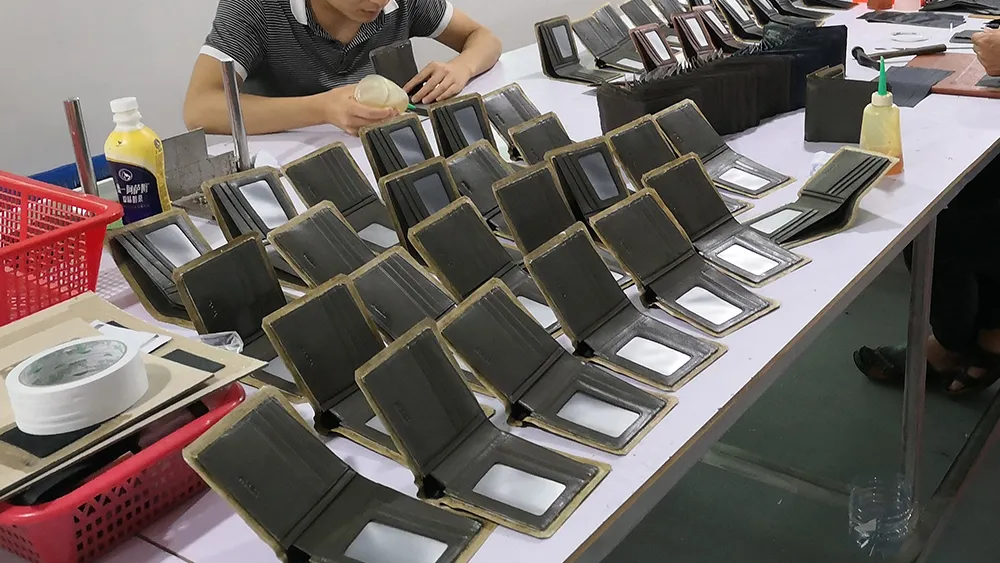
When our team reviews wholesale leather wallets, we assess design and use together. We open and close the sample repeatedly, load the intended pockets, inspect stress points, and compare emboss clarity across pieces. On pull-up leather, we also review how normal handling changes the color. This helps buyers distinguish desirable natural character from variations that should be controlled through an agreed quality standard.
Patina Turns a Product Into a Personal Record
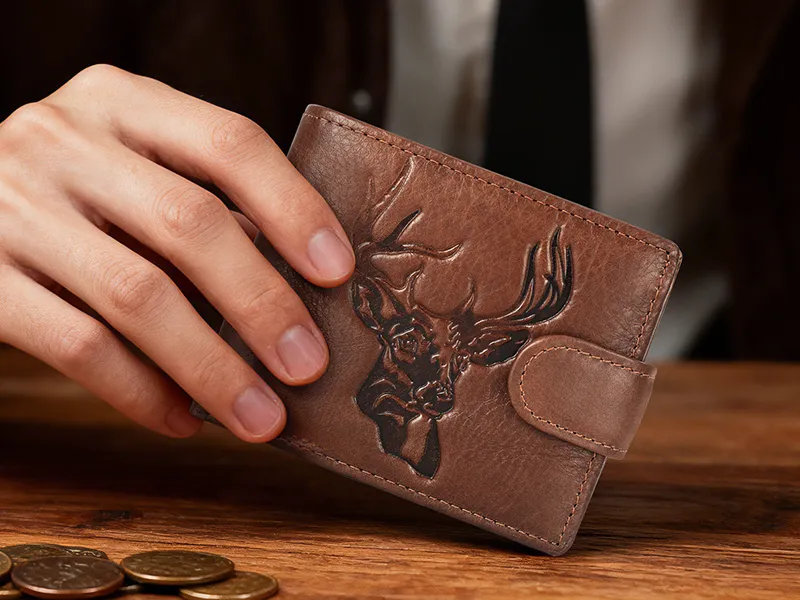
Uniqueness does not have to be fixed at the moment of purchase. Crazy horse leather has a pull-up effect that changes in tone when the oils in the leather move through bending and handling. Over time, normal marks and color movement can create a patina that reflects how the owner uses the wallet.
This evolving surface is attractive to customers who value objects that age visibly. It also requires accurate communication. Natural variation should not be presented as perfect uniformity, and every mark should not be described as damage. Product pages and care cards can explain the expected surface behavior, while buyers can approve a reasonable variation range during sampling.
What the Desire for Uniqueness Means for Wholesale Buyers
Retailers should not interpret this trend as a reason to fill a catalog with extreme designs. A better strategy is controlled differentiation: retain a proven structure and introduce distinction through artwork, leather finish, color, packaging, or personalization.
For custom mens wallets, buyers should define the role of each creative element before sampling. Is the compass the main visual identity? Should the brand logo be discreet or prominent? Does the packaging continue the travel story? Will the design be sold as an everyday accessory, a corporate gift, or an outdoor-inspired item? Clear answers make OEM decisions more consistent.
A practical first collection can pair one recognizable hero pattern with restrained color choices. Sales data, return reasons, and customer questions should guide later motif development; novelty alone is not evidence of demand.
Marrant Leather Bag Factory can support buyers by connecting material behavior, embossing method, internal construction, and retail presentation during product development. Final MOQ, sample time, production schedule, logo process, packaging, and testing requirements should always be confirmed against the actual specification rather than treated as universal promises.
Frequently Asked Questions
Q1. Why are unique wallets becoming more attractive to consumers?
They offer a practical way to express identity without changing how an everyday object is used. Recognizable artwork, tactile leather, personalization, and an evolving patina can give the owner a story that mass-standardized products often lack. The most successful designs remain functional and easy to understand.
Q2. How should a wholesale buyer evaluate a distinctive wallet design?
Start with the intended customer and sales context. Then review pattern meaning, emboss consistency, fold behavior, pocket usability, stitching, lining placement, leather variation, logo compatibility, and packaging. Approve a representative sample and record the acceptance criteria before bulk production.
Conclusion
People increasingly prefer unique things because personal identity is harder to express in a market filled with visually similar choices. A distinctive object offers recognition, meaning, and a sense of ownership. In a wallet, those qualities can come from symbolic artwork, material character, thoughtful organization, and selective customization.
The lesson for brands is simple: uniqueness should deepen the product, not distract from it. A compass-embossed bifold succeeds when its story, structure, and daily function reinforce one another. That is the difference between short-lived novelty and a product customers can make their own.
👉 Check out wallets with more distinctive designs.
Content may be reused for non‑commercial purposes with source credit: Marrant Leather Official Site.