Have you ever received leather tote bag shipments that feel soft and compliant in factory room temperature, yet turn noticeably firm and rigid after transiting or stocking in cold winter regions? Many buyers mistake temporary cold-weather leather changes for material defects, triggering unnecessary returns, customer complaints, and retail launch delays.
The straightforward answer: All genuine leather tote bags can stiffen in low temperatures. This common winter phenomenon is not purely determined by leather grain grading. Instead, it stems from a combination of hide moisture content, fatliquoring treatment, surface finish thickness, leather temper, and cold compression during shipping. For anyone sourcing wholesale leather tote bags for winter retail, understanding these variable changes is critical for accurate sample approval, bulk consistency, and stable in-store display quality.
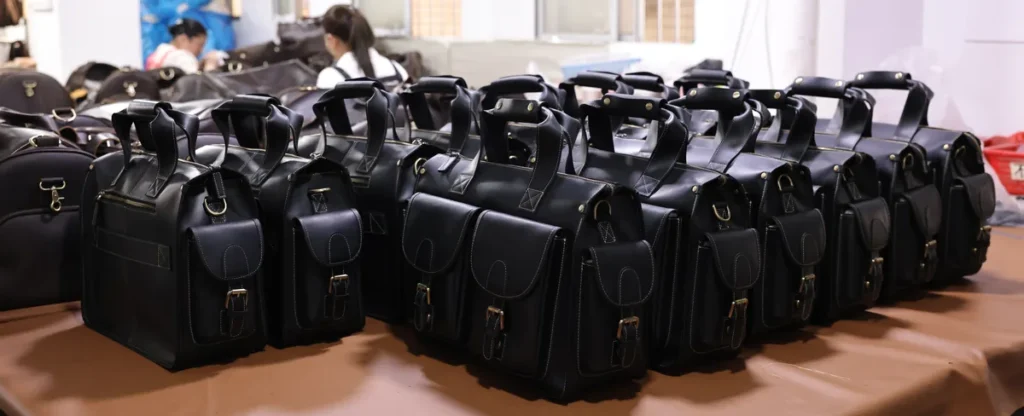
What the leather wholesale industry rarely tells you: Grain type alone cannot define cold-weather performance. Full-grain, corrected top-grain, and waxed leather all exhibit reduced flexibility in cold environments. The severity of temporary firmness, surface marking, and shape distortion depends far more on tanning formulas and finishing processes than basic leather classification. This explains why two batches of full-grain leather tote bags can deliver completely different winter hand-feel performance.
Why Leather Tote Bags Feel Firmer in Cold Conditions
According to collagen structure research on leather mechanical properties, low temperatures reduce moisture activity inside leather fibers and tighten collagen molecular spacing, which directly lowers flexibility. Natural fatliquors and wax-based finishes also lose fluidity in cold weather, causing the leather surface to harden temporarily without altering internal fiber structure.
It is important to clarify that standard winter cold exposure does not cause permanent structural shrinkage. Most winter leather changes are reversible temporary conditions: firm hand feel, reduced fold flexibility, minor surface indentations, and shape distortion after long-term cold compression. Only extreme cold combined with poor finishing or improper packaging can lead to irreversible creases or coating cracks.
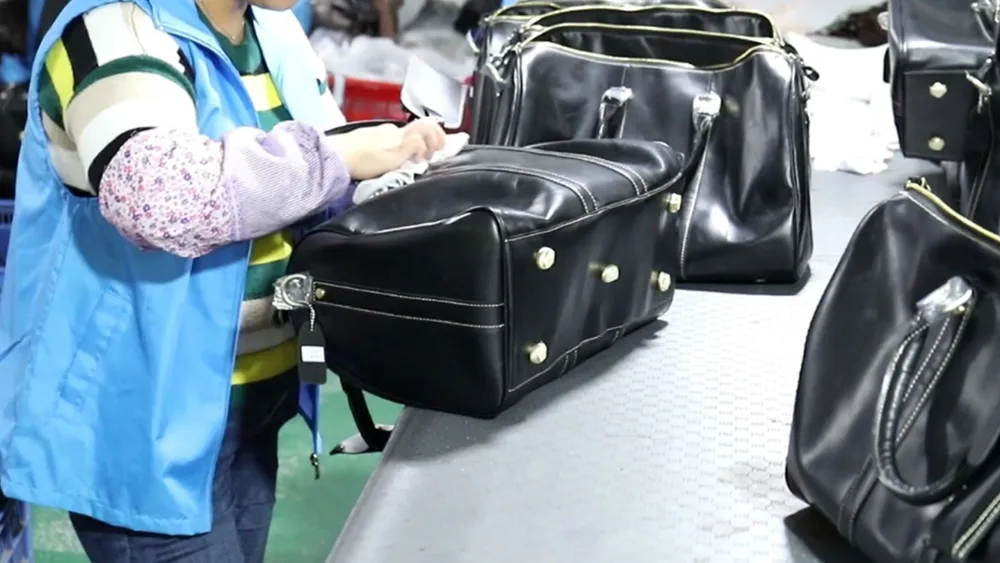
What Buyers Should Specify Beyond Leather Grain Classification
Most existing leather material comparisons only focus on full-grain vs top-grain differences, ignoring the core variables that control winter performance. When sourcing custom leather tote bags and private label leather tote bags for cold markets, buyers need to evaluate six practical factors that dominate cold-weather stability:
- Leather moisture equilibrium rate: Proper moisture retention prevents excessive fiber tightening in low temperatures
- Fatliquoring penetration level: Uniform oil infusion maintains fiber lubrication and flexibility in cold weather
- Surface finish thickness and formula: Overly thick rigid coatings are more likely to produce visible creases when cold
- Leather thickness and temper: Overly stiff or extra-thick leather shows more obvious cold stiffness
- Bag structural reinforcement: Rigid backing materials amplify shape distortion under cold compression
- Winter transit duration: Extended cold container storage increases temporary firmness and indentation risks
In short, full-grain, corrected-grain and waxed leathers can all feel firmer after prolonged exposure to low temperatures. The degree of change depends more on the specific leather article—including thickness, temper, moisture content, fatliquoring and surface finish—than on the grain classification alone.
Different material combinations bring distinct winter sourcing risks. The table below focuses on winter climate performance, helping buyers filter qualified materials for cold-resistant leather bags bulk orders:
| Leather Type | Typical Cold-Weather Behaviour | Key Sourcing Risk in Winter | Best Winter Market Application |
|---|---|---|---|
| Full-Grain Leather | Slight, uniform stiffening; stable fiber structure; excellent shape recovery after warming | Natural hide variation may amplify slight texture differences in cold temperatures | Premium private label winter collections, high-end boutique retail |
| Corrected Top-Grain Leather | Moderate flexibility reduction; consistent surface performance | Thick corrected finishes may form faint permanent creases under long cold compression | Mass bulk wholesale tote orders, stable seasonal retail lines |
| Waxed & Oil-Tanned Leather | Noticeable temporary rigidity due to wax layer solidification | Improper packaging during winter transit easily causes visible indentations | Vintage-style limited batches, mild winter regions only |
To illustrate real winter sourcing challenges, consider a common seasonal scenario. A winter shipment of custom leather totes may arrive rigid and creased after weeks of cold container transit. If inspected immediately upon arrival, temporary cold-induced firmness is often misjudged as defective material, leading to unnecessary rejections and order delays. Most of these issues resolve naturally once the bags acclimate to room temperature.
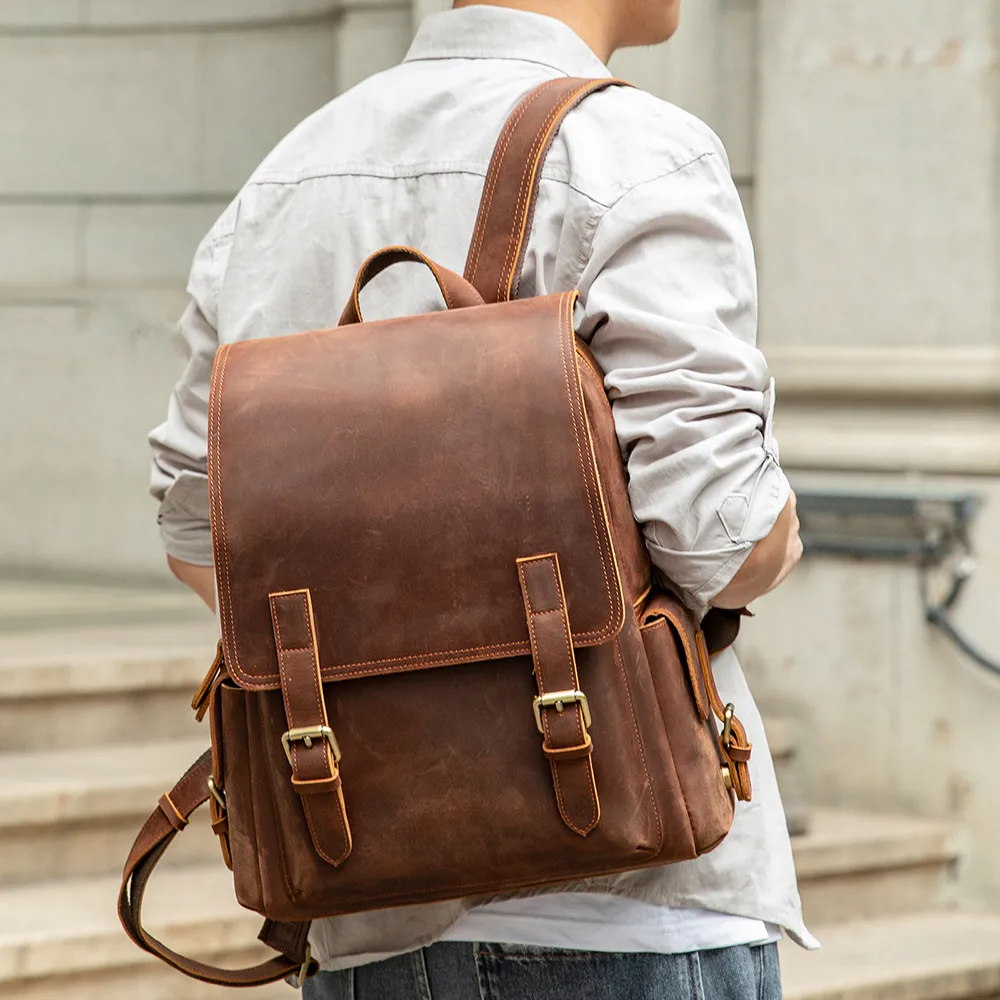
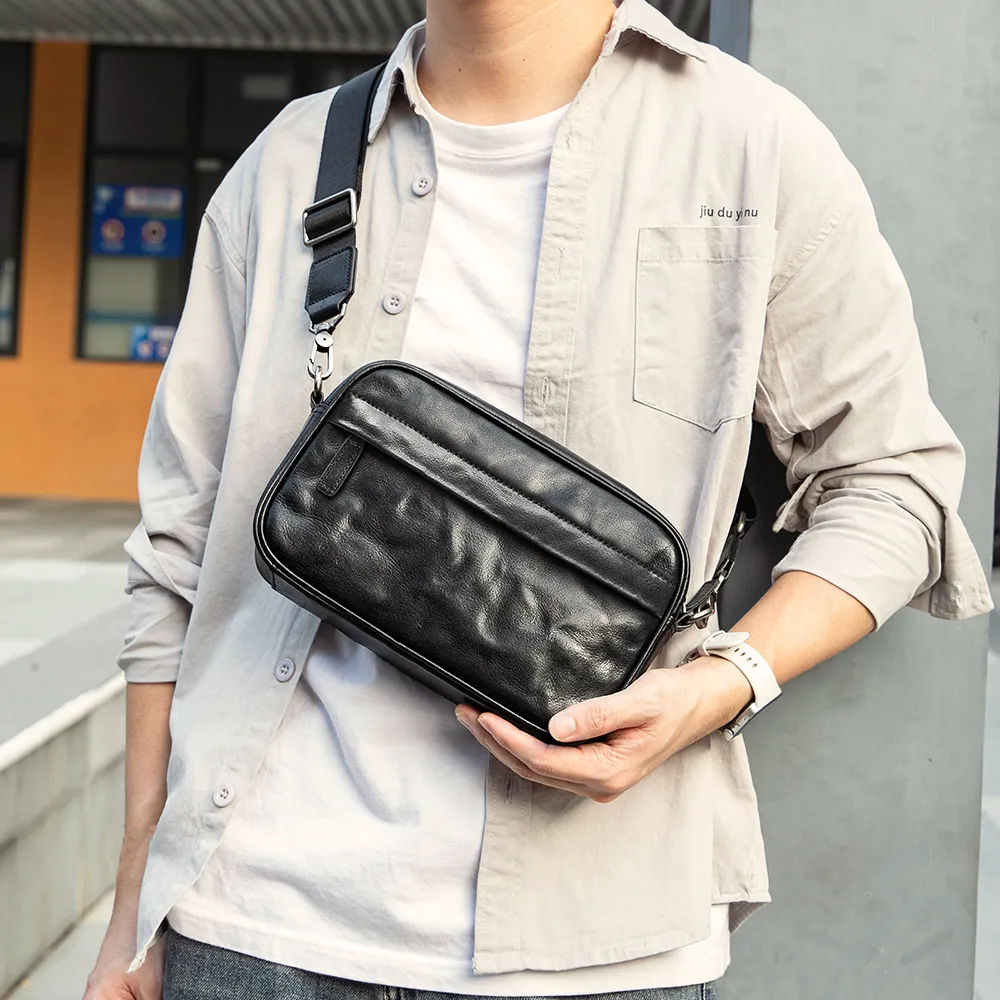
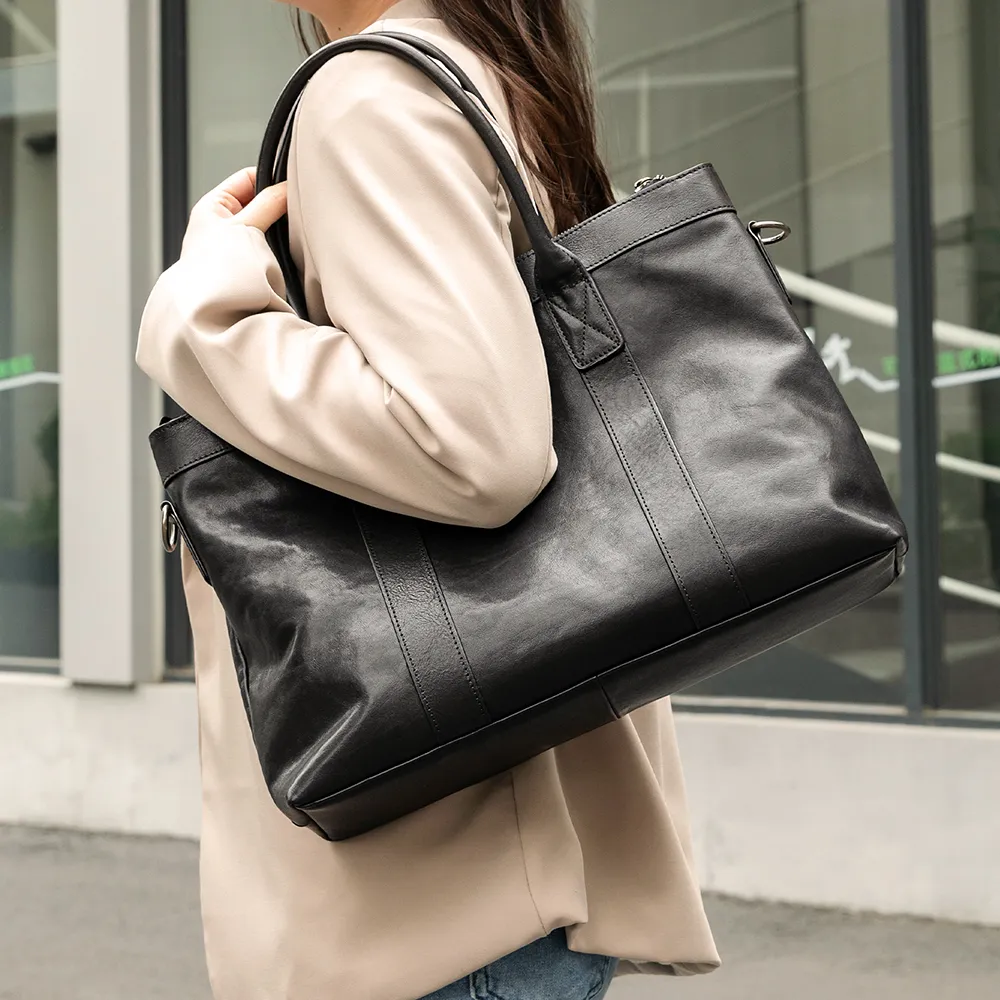
A Practical Cold-Condition Sample Test (Buyer-Defined Screening Process)
There is no universal industry standard for testing leather tote bag winter flexibility. The following method is a practical buyer-defined screening procedure for pre-production verification, not a certified international standard. It helps unify evaluation standards between buyers and suppliers for winter leather bag sourcing.
Notably, official standards including ISO 17233 and SATRA TM129 focus only on leather surface coating cold crack resistance, which cannot fully represent overall bag flexibility and structural performance in cold weather.
- Cold simulation stage: Place pre-production sample totes in a controlled 0–10°C environment for 12 hours to simulate long winter transit conditions
- Low-temperature inspection: Check surface firmness, fold tightness, and temporary indentation changes under cold status
- Room temperature recovery test: Store samples at normal indoor temperature for 24 hours to observe whether stiffness and creases disappear completely
- Final confirmation: Approve samples only if full flexibility and original shape are restored after recovery
Winter Shipping, Packaging and Recovery Inspection Rules
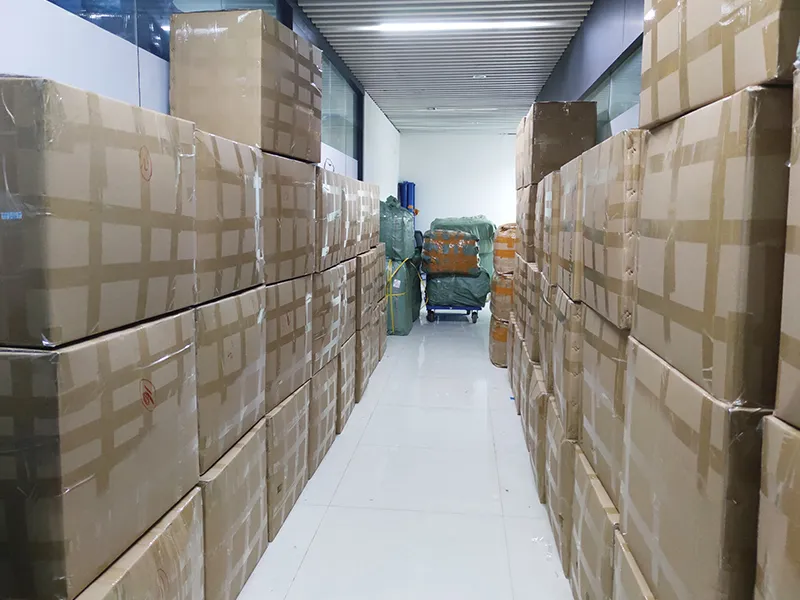
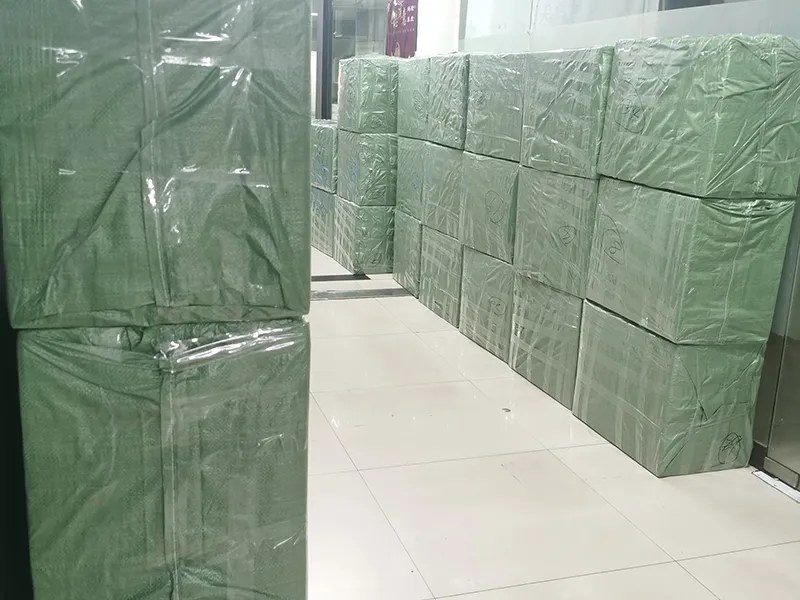
Most winter wholesale tote bag quality disputes stem from shipping and packaging, not material defects. Cold leather loses buffer performance, making bags more sensitive to stacking compression during transit. For bulk winter orders, three inspection rules effectively avoid batch inconsistency:
First, never judge product quality immediately after cold shipment arrival. Always reserve 24 hours of room-temperature acclimation before final quality inspection. Second, adopt loose winter packaging with internal stuffing support to prevent permanent indentation from cold compression. Third, unify production batches and finishing formulas for winter orders to guarantee consistent cold resistance across the entire batch.
Buyer’s Pre-Production Winter Sourcing Checklist
Use this exclusive checklist for all wholesale leather tote bags for winter bulk and private label orders to eliminate seasonal batch risks:
- Confirm leather fatliquoring and surface finish formulas adapted to cold market environments
- Complete low-temperature simulation testing and fold recovery verification before mass production
- Unify leather batch, thickness range and temper standards for the entire winter order
- Check coating flexibility to avoid low-temperature cracking risks referring to ISO and SATRA test principles
- Specify winter packaging standards to reduce cold compression deformation
- Agree on room-temperature recovery inspection rules to unify quality judgment standards
For buyers who need to match precise cold-resistant materials for seasonal bulk orders, you can refer to professional leather grading and finishing standards in our Crazy Horse leather full guide. Browse all tote styles for custom cooperation in our official wholesale leather bag category directory.
Frequently Asked Questions
Q1: Does cold weather create permanent damage or creases on wholesale leather tote bags?
A1: Ordinary winter low temperatures only cause temporary stiffness and surface changes, which can fully recover at room temperature. Permanent creases or coating cracks are rare and result from multiple factors: long-term cold compression, improper packaging, unbalanced leather moisture, rigid surface finishes, and inferior structural reinforcement, rather than a single material or tanning issue.
Q2: How to select stable leather materials for winter cold-climate bulk markets?
A2: Prioritize leathers with balanced fatliquoring and flexible surface finishes instead of simply choosing full-grain or top-grain grades. For private label leather tote bags winter collections, adjust leather temper and finish thickness during pre-production sampling to ensure stable flexibility in low temperatures and consistent hand feel after shipment recovery.
Q3: How to avoid batch inconsistency for winter wholesale tote bag orders?
A3: Avoid approving samples only under normal temperature conditions. Implement unified cold simulation and recovery testing for all pre-production samples, lock leather batch and finishing formulas, and add cold-condition inspection items to final QC standards to maintain batch uniformity.
Conclusion
Winter cold weather triggers temporary stiffness and reduced flexibility for all wholesale leather tote bags for winter. These seasonal changes depend on leather moisture, fatliquoring, surface finishing and production craftsmanship, rather than relying solely on traditional grain classification.
For seasonal bulk buyers, adopting professional cold-condition sampling testing, standardized winter packaging, and recovery inspection rules is the key to avoiding quality disputes, stabilizing batch consistency, and optimizing retail display performance in cold climate markets. Reasonable material customization and pre-production verification can greatly improve market adaptability for winter leather tote collections.