What Actually Makes a Men’s Wallet Unique?
For brands developing the most unique mens wallets, the practical question is not how many features can be added. It is which single detail customers will remember, and whether that detail can be reproduced consistently in bulk. A wallet may look distinctive in a flat photo, but the pattern still needs to remain clear after the leather is folded and stitched.
Unique does not have to mean strange or structurally complicated. Buyers who build a distinctive series choose one clear idea, test it with real materials, and repeat it across a line. Effective uniqueness is easy to recognize, relevant to the customer, easy to use, consistent with the brand, and stable at volume.
Custom Brass-Die Patterns Without Rebuilding the Whole Wallet
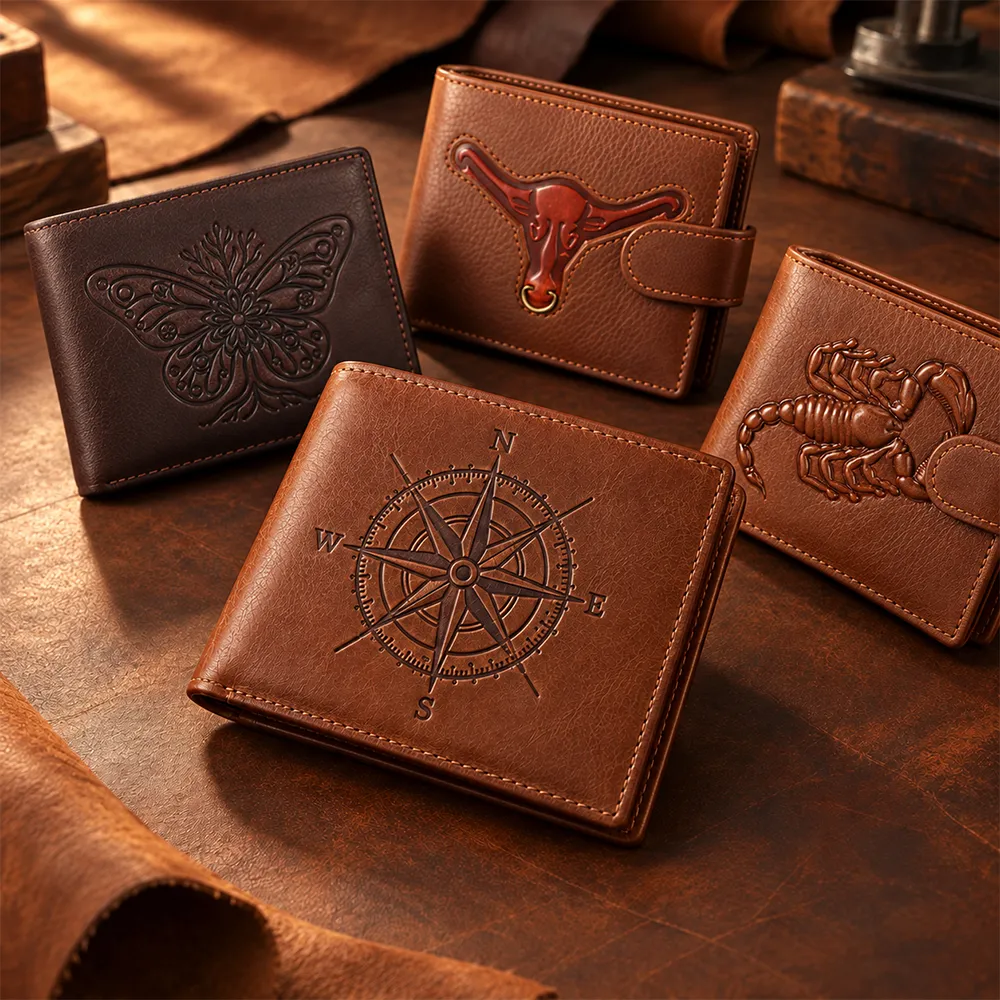
The most direct way to differentiate is a custom brass-die pattern on a proven silhouette. A brass die presses a design into the leather, creating a debossed pattern that factories call brass-die debossing. The die can do more than stamp a logo: geometric, vintage, botanical, borders, repeated motifs, or a brand-specific graphic.
You choose where the pattern lives — the whole shell, a single piece, one corner, or an inner panel. Because the base pattern and internal construction can remain unchanged, a different debossed motif can create a new visual series without rebuilding the wallet from scratch.
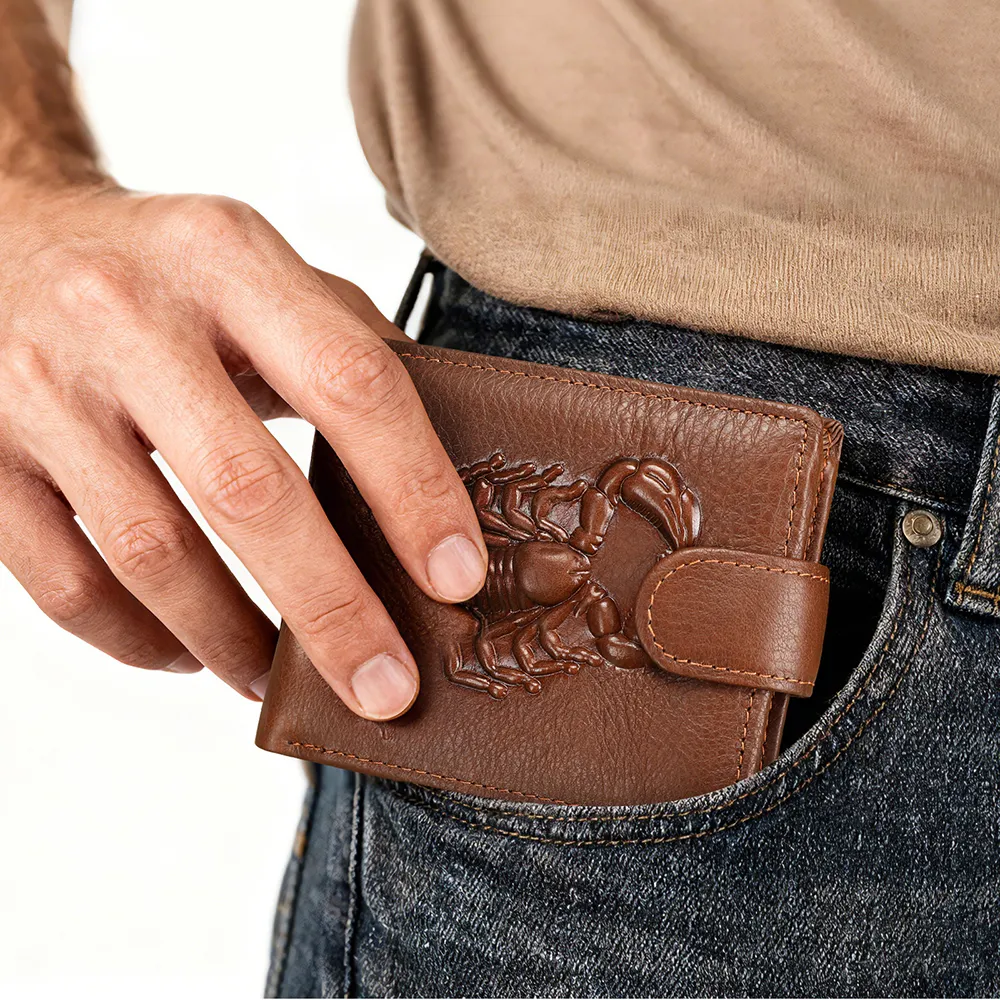
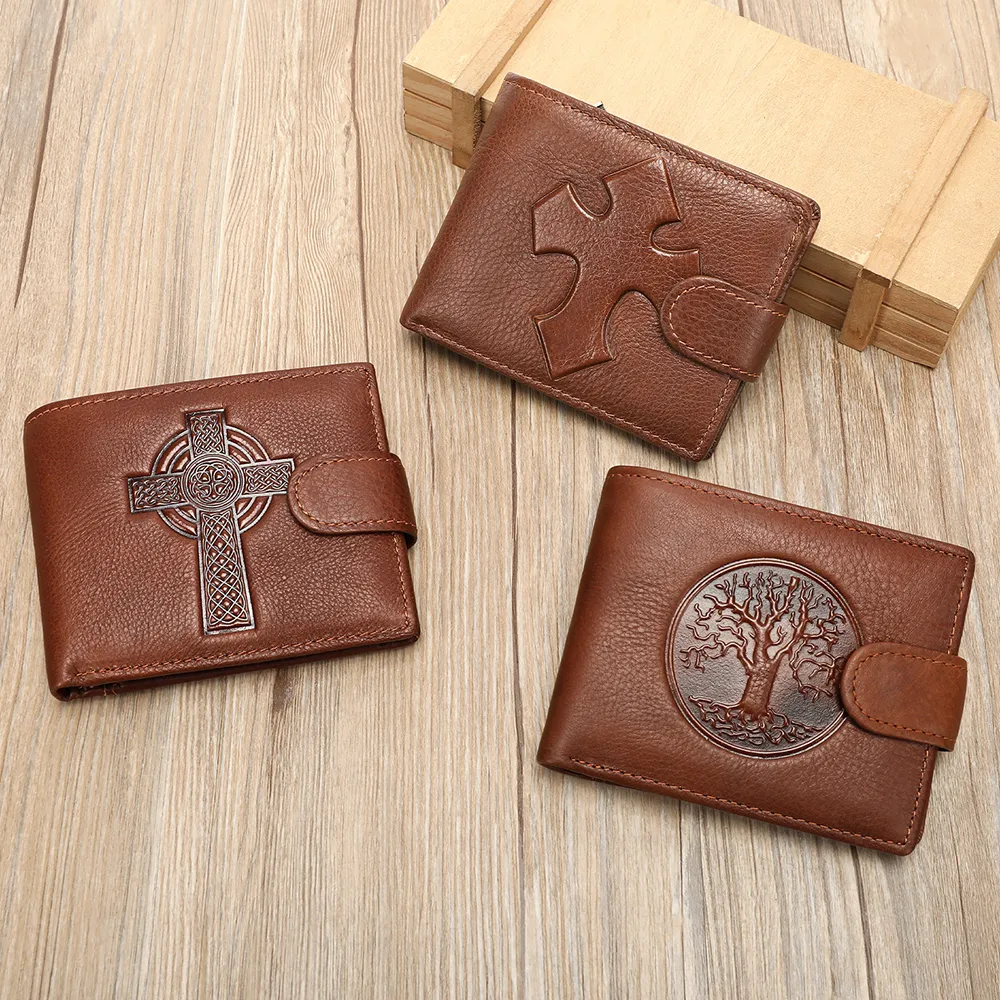
Design for the folded wallet, not the flat drawing. A deep deboss across a frequently flexed fold may distort or wear differently. Keep the motif away from critical stitch and skiving areas unless a finished sample confirms that the position works. Confirm with the final leather: thickness, softness, coating, and grain change how clearly the deboss shows.
Before approving, check pattern size, position, line weight, press depth, and distance to cut lines, stitching, and folds, then verify the result on the final leather and how consistently the position repeats across a batch. Custom brass-die debossing still requires tooling and sampling, but it can be a more direct route to differentiation than developing a completely new structure.
Structure Can Make a Familiar Wallet Feel Different
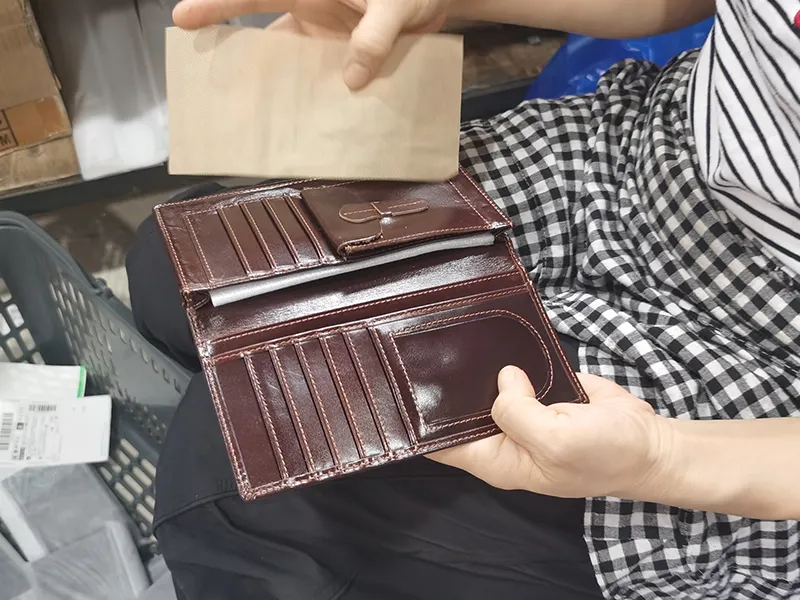
The internal layout changes how a wallet is used. Vertical bifolds, trifolds, money-clip wallets, zipper wallets, AirTag pockets, external card slots and removable inserts each change the product’s form, loading method or access.
Not every structure suits every market. Cash markets require confirming the local bill size first. An AirTag pocket adds thickness, an external slot needs access and slip checks, and more slots mean a thicker wallet once loaded. Verify with real cards, cash, and coins — our custom leather wallet specifications guide covers the tolerances buyers usually miss.
Color Is a Direct Way to Build a Recognizable Collection
Color is often the fastest visual cue. A red color mens wallet can stand out in a category dominated by black and brown, but it must fit the brand’s customer profile. The same logic holds for a dark outer with a bright interior, two leathers stitched together, contrast stitching, contrast edge paint, or one structure in several colorways.
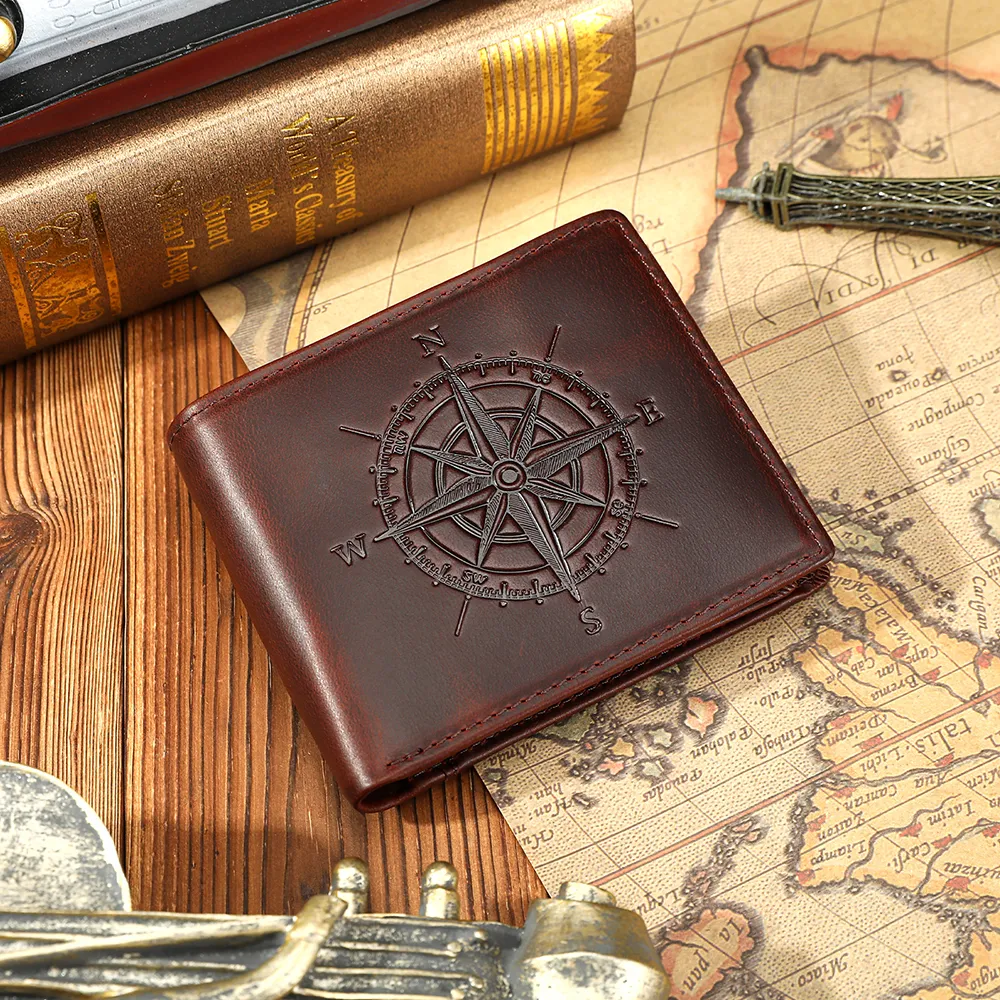
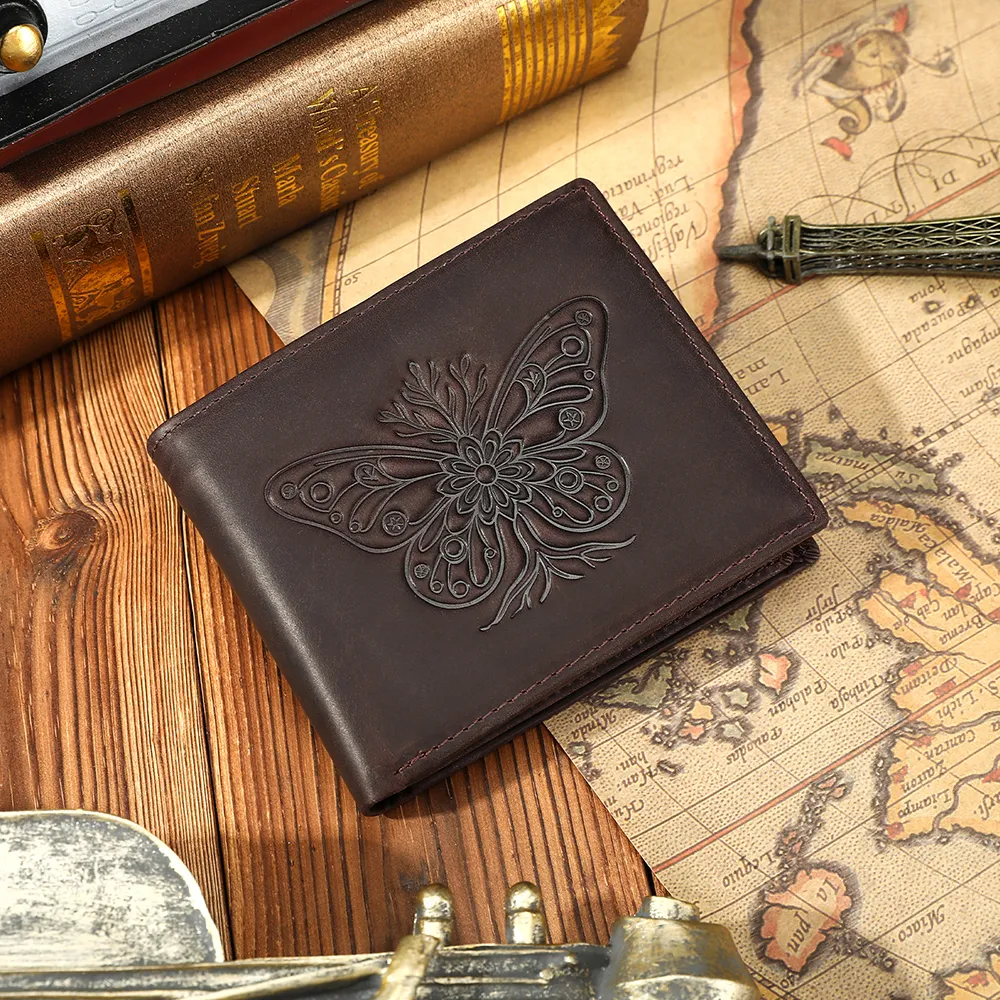
Color also works with the pattern: a deboss that disappears on a dark hide may read clearly on a lighter one, so confirm with a real sample. Check inner and outer leather colors, thread, edge paint, hardware finish, and acceptable batch color variation. Natural leather varies across lots, so set a reasonable tolerance.
Personalization for Gift and Private Label Collections
Personalization serves gift and corporate orders. Logo debossing, initials, names, dates, short messages, laser engraving, a branded lining, and gift packaging add a tailored feel — an engraved wallet for dad is a simple gift-series idea. Our custom wallet laser engraving process covers the logo and message work.
Separate three cases: brand logo customization, end-consumer personalization, and corporate gift bulk customization. For corporate programs, bi-fold wallets for corporate gift orders are built for procurement teams.
Comparing the Main Design Directions
| Design method | What creates the difference | What buyers should confirm |
|---|---|---|
| Brass-die pattern | A debossed graphic, border, or repeat pressed into the leather | Pattern size and position, depth and clarity on the final leather, distance from stitching and folds |
| Structure | Layout that changes loading, access, and thickness | Local bill size, filled thickness, card access and retention, real-cash-and-coin testing |
| Color | Outer and inner tones, stitching, edge, hardware | Color of each component, batch color tolerance, pattern visibility on dark versus light hides |
| Personalization | Logo, initials, names, or laser engraving | Which level of customization, approval flow, and bulk positioning |
How Brands Keep the Most Unique Mens Wallets Consistent in Bulk
The work required to keep a distinctive wallet consistent happens before production. Confirm the final leather, the pattern file and brass die, pattern position, press depth and clarity, structure and internal capacity, loaded thickness, color combination, thread and edge colors, logo position, and packaging size. Then lock everything with an approved golden sample.
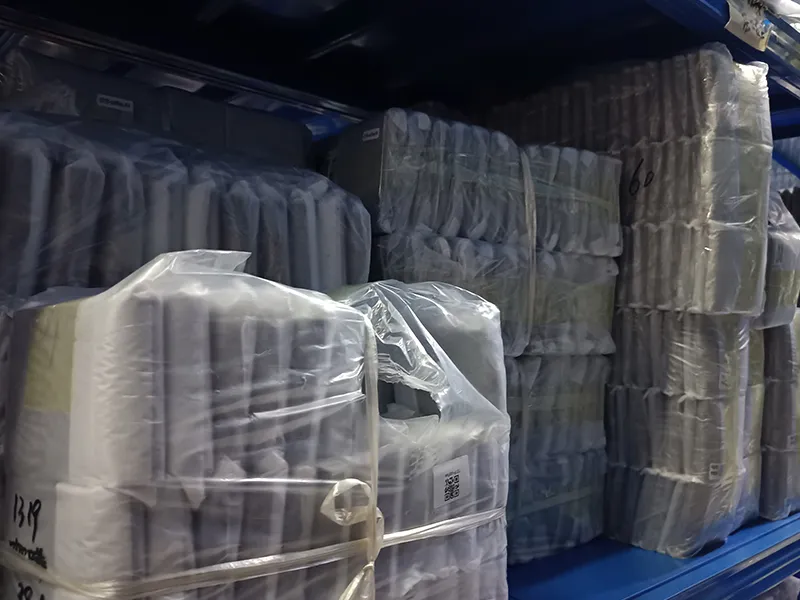
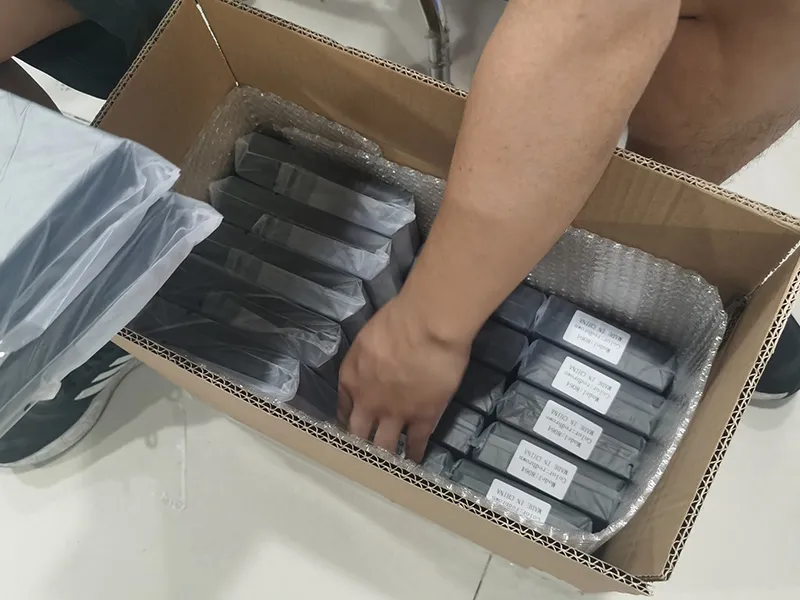
A prototype does not guarantee a consistent batch. A unique pattern must align on every piece, natural leather allows reasonable grain and color variation, and a special structure must survive real use. Control the batch against the approved sample; any change to leather, die, or layout means a new sample. See our wholesale leather wallets and card holders catalog for the finished range.
Frequently Asked Questions
Q1: What is the easiest way to make a men’s wallet look unique?
Add a custom brass-die pattern to a proven silhouette. It creates a recognizable look without a structural redesign.
Q2: Can a custom pattern be pressed into different types of leather?
Yes, but the result differs. Different leathers produce different deboss effects, so test on the final leather you plan to use — you cannot guarantee the same depth and clarity on every material.
Q3: What should buyers check before ordering unique wallets in bulk?
Confirm the final leather, pattern and die, structure and loaded thickness, color combination, and logo position. Approve a sample first, then control the batch against it.
Ready to discuss a series or a single style? Share your target structure, leather choice, and pattern sketch, and we will confirm what is realistic.
Conclusion
A truly valuable unique wallet does not pile on features. It picks one recognizable idea, verifies it with the final leather, and repeats it in bulk — the approach behind the most unique mens wallets. Confirm the details on the final material, approve a finished sample, and use that sample to control the bulk order.