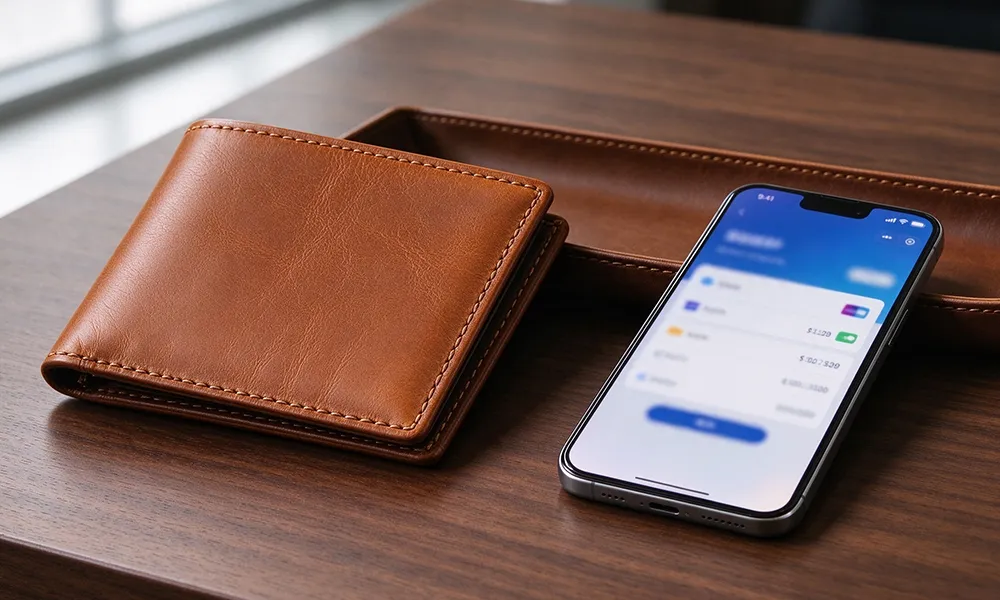
A phone now handles most of what a wallet used to do. In some markets it pays for coffee, stores boarding passes and can replace certain access cards or digital credentials, so a physical wallet is no longer required for every trip. Yet custom leather wallets still sell, because they offer something a phone cannot: the feel of leather, personal meaning, a place for physical cards and, for some buyers, a more visible way to manage cash.
Phones Have Made Wallets Optional, Not Meaningless
Phones have reduced the need to carry bank cards and cash, and in some countries identity, transit and access functions have moved onto devices. Habits differ: a commuter in one city may rely entirely on a phone, while a buyer in another region still reaches for notes every day. The point is not that everyone must carry a wallet. Its value has shifted from necessity to choice, so a wallet is no longer the default payment tool but a deliberate one.
Why a Leather Wallet Still Feels Personal
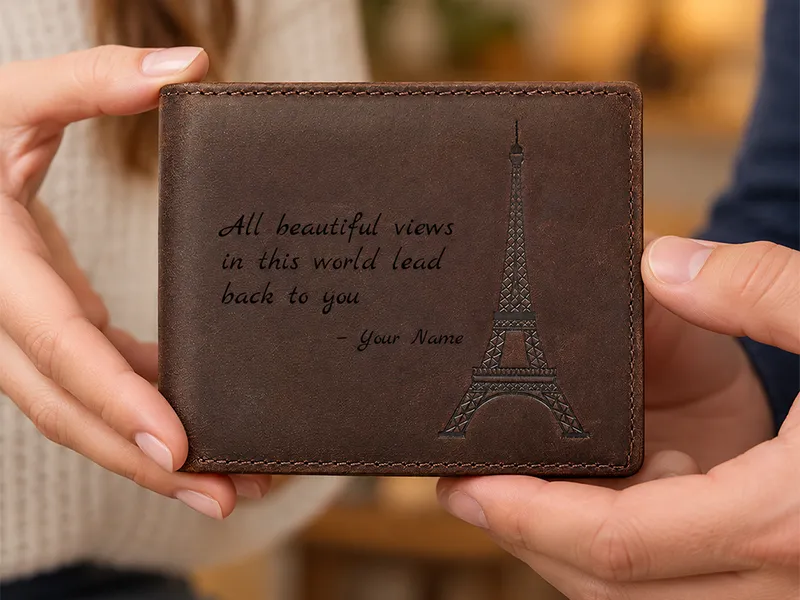
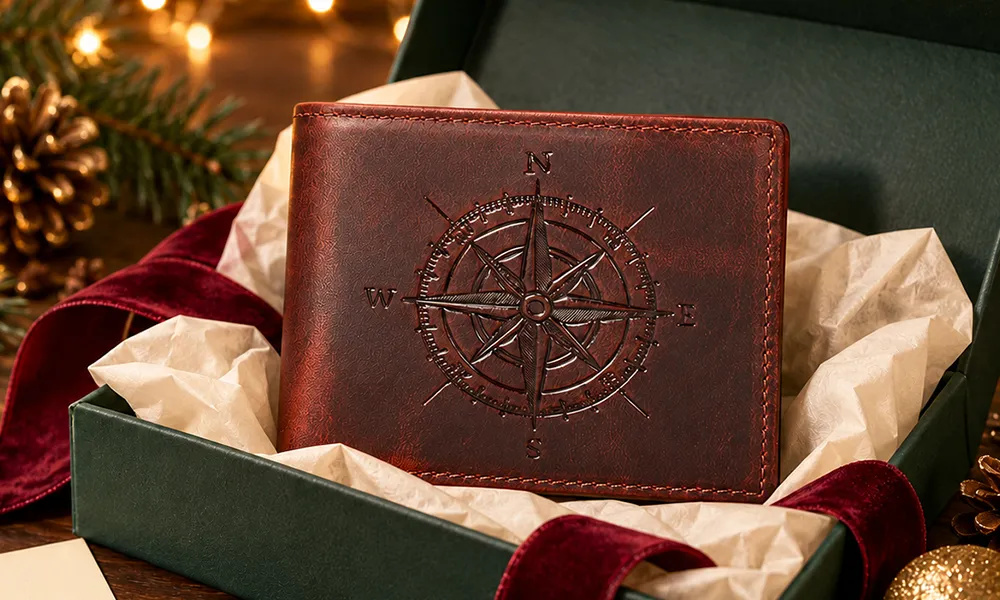
Leather does something plastic and glass cannot. The surface, the grain and the way color deepens with use give an object a history. Handling the same wallet daily becomes a small routine that makes it feel like part of a life. A leather wallet also suits a personal gift: a name, a date, a logo or a chosen color turns one into a keepsake. For a brand, the selling point is no longer storage alone. It is the chance to offer a useful object with personal meaning.
A Wallet Can Organize Cards Even When It Stays at Home
Not everyone carries a wallet every day. Many consumers keep one at home to organize cards they rarely use: bank cards, membership cards, gift cards and backup cards. Travelers use a long wallet or passport wallet for documents, foreign currency and tickets, while a zip wallet or card organizer keeps small items secure. No single style fits every customer, but the product family should match how people actually use a wallet.
Cash Can Make Spending Feel More Visible
Some consumers deliberately carry cash because it makes spending more visible. Handing over banknotes and seeing how much remains can create a clearer sense of cost than tapping a phone. A 2024 meta-analysis published in the Journal of Retailing reviewed 71 papers and found a small but significant association between cashless payment and higher spending. The size of the effect varied by context and had weakened over time. We are not claiming cash always reduces spending. Some buyers want a wallet that makes cash easy to see, which is why a bifold with a clear cash compartment or a money clip wallet keeps its audience.
Personalization Matters More When the Wallet Is Not Essential
If a consumer only needs to hold a couple of cards, a cheap card sleeve or a phone case may be enough. That is exactly why a custom wallet must offer extra value through material, craft, meaning and packaging: a name or date embossed in the leather, a company logo, a selected leather type or finish, a chosen stitch color, an interior layout, a deliberate gift box. These details separate a branded product from a commodity.
For private label leather wallets or a corporate program, personalization is not about printing a logo on an existing design. It is about positioning, standing apart where the basic function is already solved. That is the commercial case for custom leather wallets. It gives B2B buyers a clear reason to keep the category, even as everyday payment habits change.
What This Change Means for Wholesale Wallet Buyers
Different buying reasons call for different wallet structures, and wholesale leather wallets are no exception.
| Consumer reason | Suitable wallet style | Development focus |
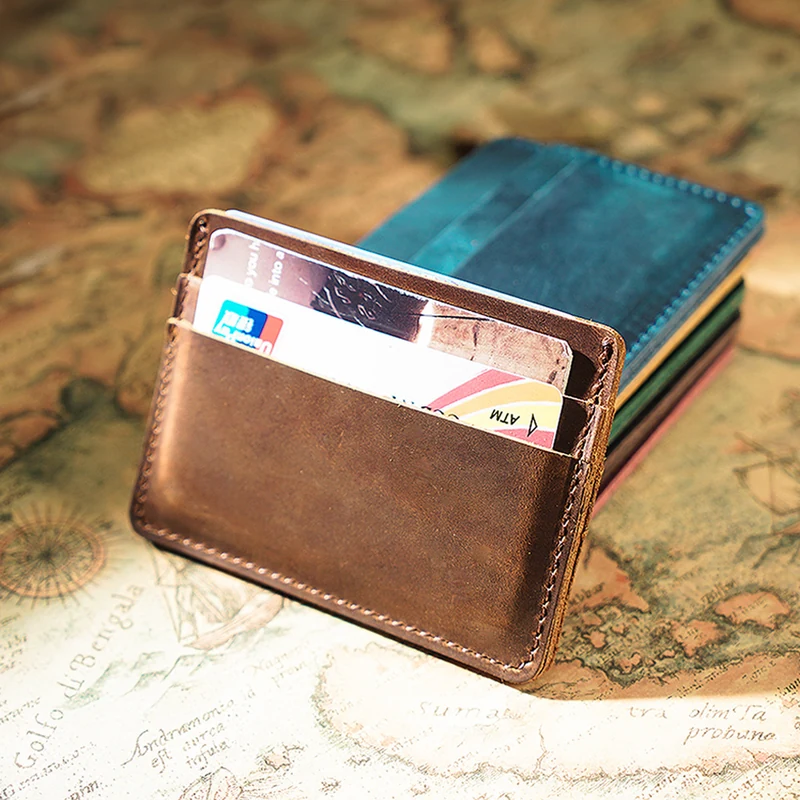
| Lightweight daily carry | Slim card holder | Fewer slots and a thin loaded profile |
| Personal or commemorative gift | Personalized bifold | Name, date or logo application |
| Corporate gifting | Gift wallet | Branding and retail-ready packaging |
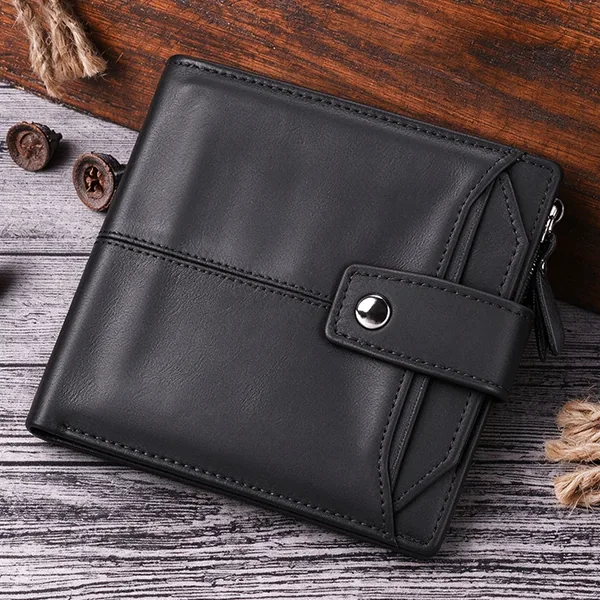
| Card organization at home | Zip wallet or card organizer | Clear compartments and secure closure |
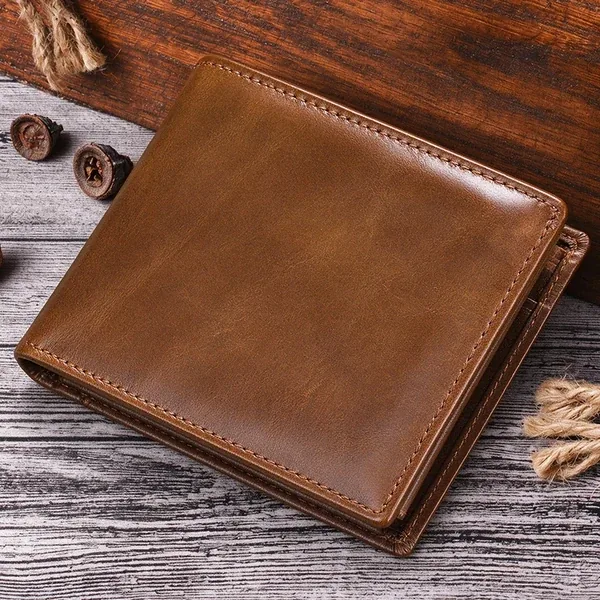
| Intentional cash use | Bifold or money clip | Easy access to notes and clear cash storage |
| Travel organization | Long wallet or passport wallet | Space for documents, cards and foreign currency |
A buyer targeting lightweight daily carry should not be offered the same structure as a buyer targeting travel organization.

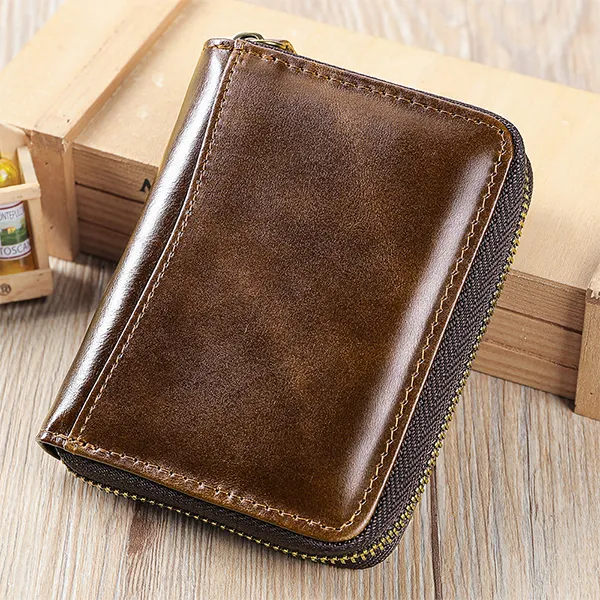
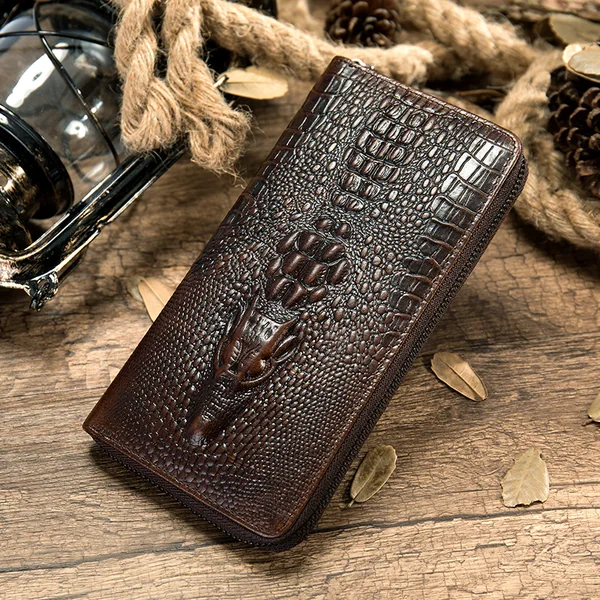
Do Not Add Features Just Because They Sound Modern
Not every wallet needs RFID blocking, and more card slots are not automatically better. Extra compartments add thickness when full, and RFID layers, linings and structures can change the hand feel. A feature should serve the target market, not the sales pitch. When a buyer needs RFID blocking, confirm the construction with the material and test method together. See our RFID Blocking Wallet Test Guide.
What Buyers Should Confirm Before Sampling
Before a factory cuts leather, agree on the following in writing:
- target market
- sales channel
- wallet style
- intended card and cash capacity
- leather and color
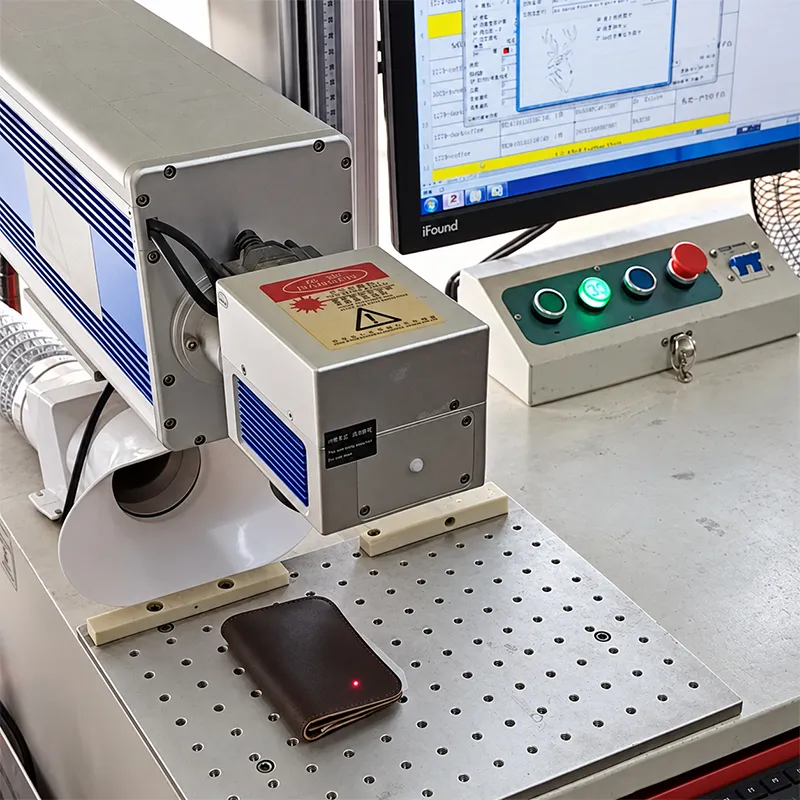
- logo method and placement
- RFID requirement
- packaging
- estimated order quantity
These choices affect the pattern, material consumption, labor and quotation, especially for bulk leather wallets. Useful reference points include our Leather Wallets Wholesale Catalog, a guide to Custom Leather Wallet Manufacturer Specifications, and our Leather Bag Sample Approval Checklist.
Frequently Asked Questions
Q1: Why carry a physical wallet when a phone can handle payments and digital IDs?
Not everyone must carry a wallet. People buy one for the feel of leather, the meaning of a gift, card organization, or a habit of using cash deliberately.
Q2: Can paying with cash help people control spending?
Some people find cash more visible, and research has linked certain cashless payment settings with higher spending, but the result does not apply to everyone or every situation.
Q3: Which wallet styles are suitable for increasingly cashless markets?
A slim card holder suits lightweight daily carry. A personalized bifold works for gifts. A zip wallet or card organizer handles storage at home. A money clip suits buyers who still use cash.
To plan a custom project, buyers should be ready to confirm target market, preferred wallet style, estimated quantity, logo method and packaging requirements.
Conclusion
The wallet is becoming less necessary, but not less relevant. Its value has moved from basic payment storage to emotion, craft, organization and intentional cash use. For wholesale buyers, the opportunity is not defending an old habit but selling a personal, purposeful object a phone cannot replace. Define the market, choose the right structure, personalize the details.